
The Great Gluten Debate: How Kneading Actually Works
Discover the fascinating science behind gluten development and why kneading isn't always necessary for incredible bread.
Published on February 19, 2026
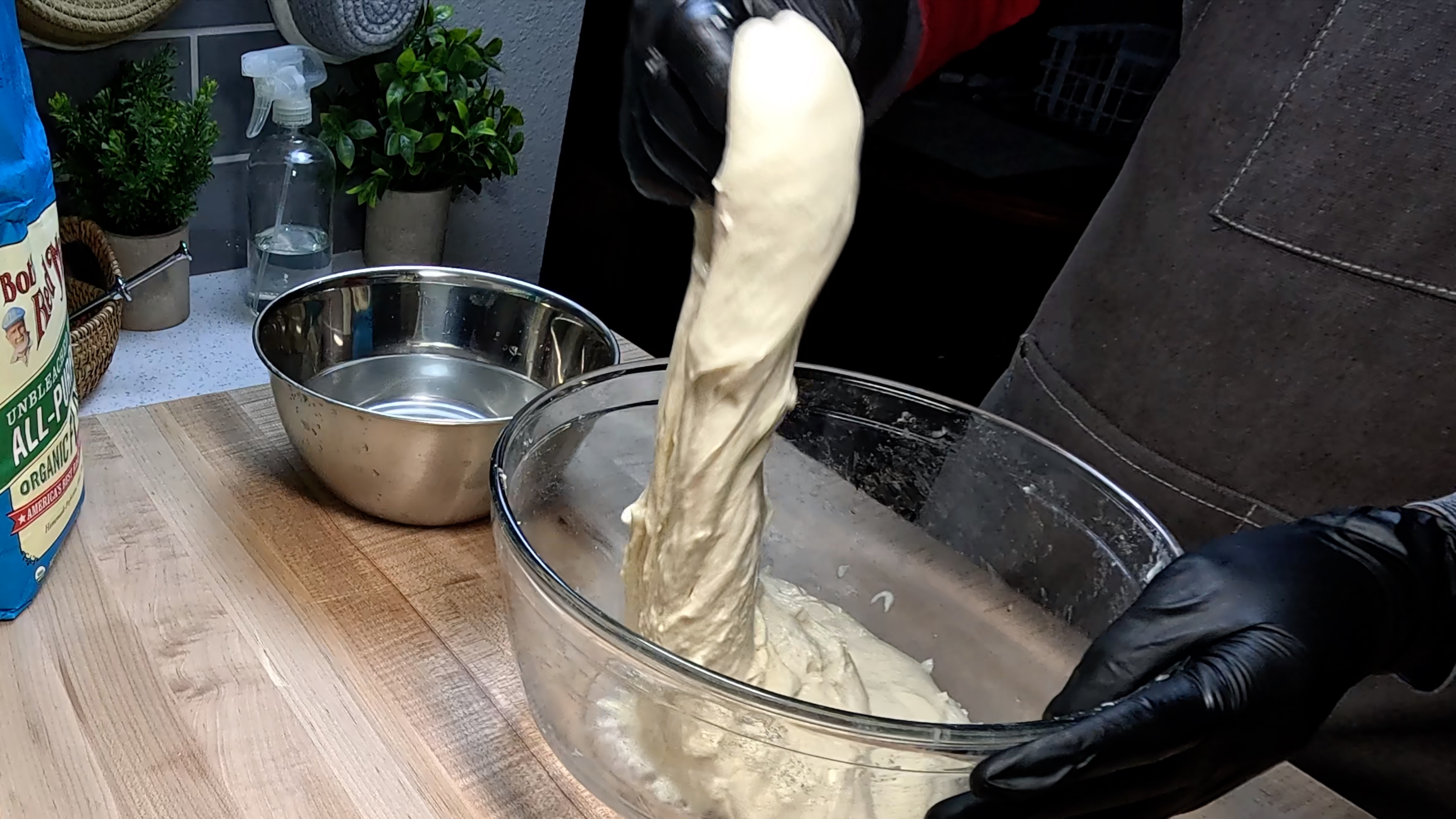
If you've ever stood in your kitchen, flour-dusted apron tied around your waist, wondering whether you really need to knead that dough for another ten minutes, you're not alone. The world of bread baking is filled with passionate debates, but few are as heated as the great kneading controversy.
Let me share something that might surprise you: some of the most incredible loaves I've ever baked required zero traditional kneading. Yes, you read that right! But before we dive into the magic of no-knead methods, let's understand what's actually happening when we work our dough.
What Really Happens When You Knead
The Gluten Network: Your Bread's Secret Structure
Gluten isn't the villain many make it out to be – it's actually your bread's best friend. When flour meets water, two proteins called glutenin and gliadin begin their beautiful dance, forming elastic gluten strands that create the framework for your loaf.
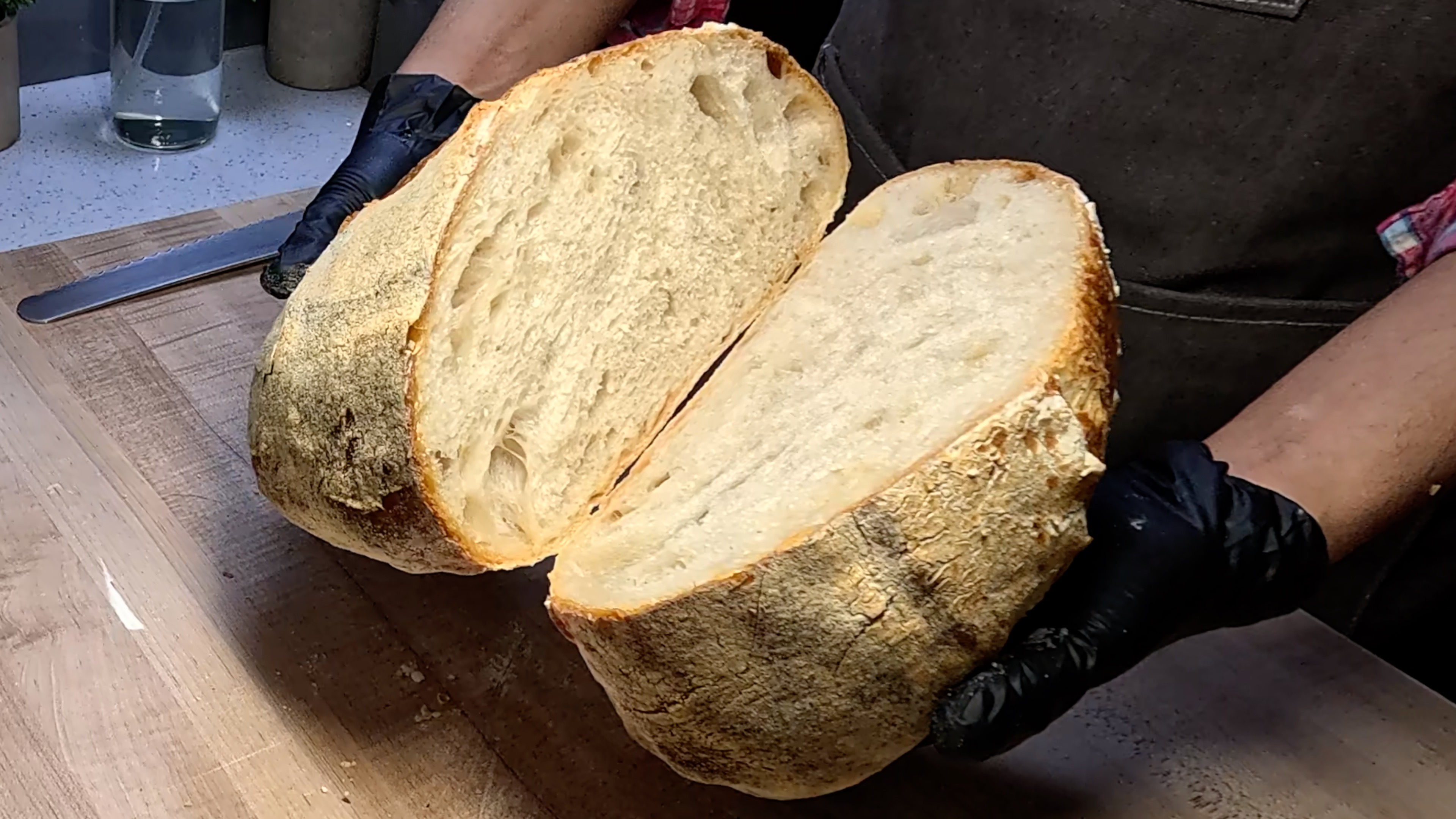
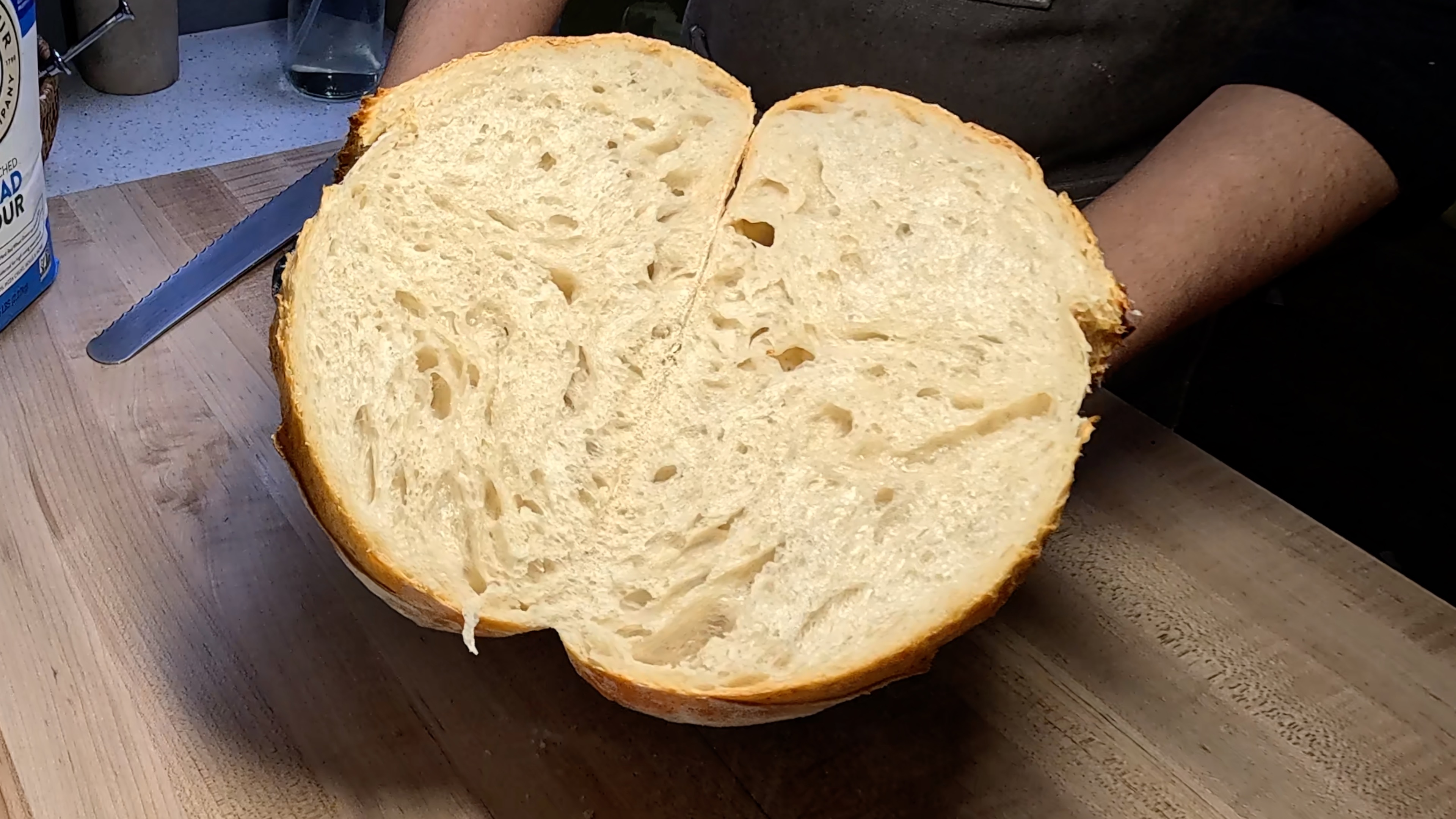
Think of gluten as tiny rubber bands that stretch and trap the gas bubbles produced by your sourdough starter or yeast. This creates that gorgeous open crumb we all crave in our Classic Sourdough Bread.
Kneading traditionally speeds up this process by:
- Aligning gluten proteins into organized networks
- Incorporating air into the dough
- Distributing ingredients evenly
- Creating elasticity and strength
The Science Behind the Stretch
When you knead, you're essentially performing molecular matchmaking. Each fold and stretch helps gluten proteins find their perfect partners, creating longer, stronger chains. The result? Dough that can stretch thin enough to read through (hello, windowpane test!) without tearing.
But here's where it gets interesting: kneading isn't the only way to achieve this gluten development.
The No-Knead Revolution: Time as Your Secret Weapon
Why No-Knead Works
The no-knead method relies on a simple truth: given enough time, gluten will develop naturally through a process called autolyse. When flour and water sit together, enzymes break down proteins and starches, creating the same network that kneading builds – just more slowly and gently.
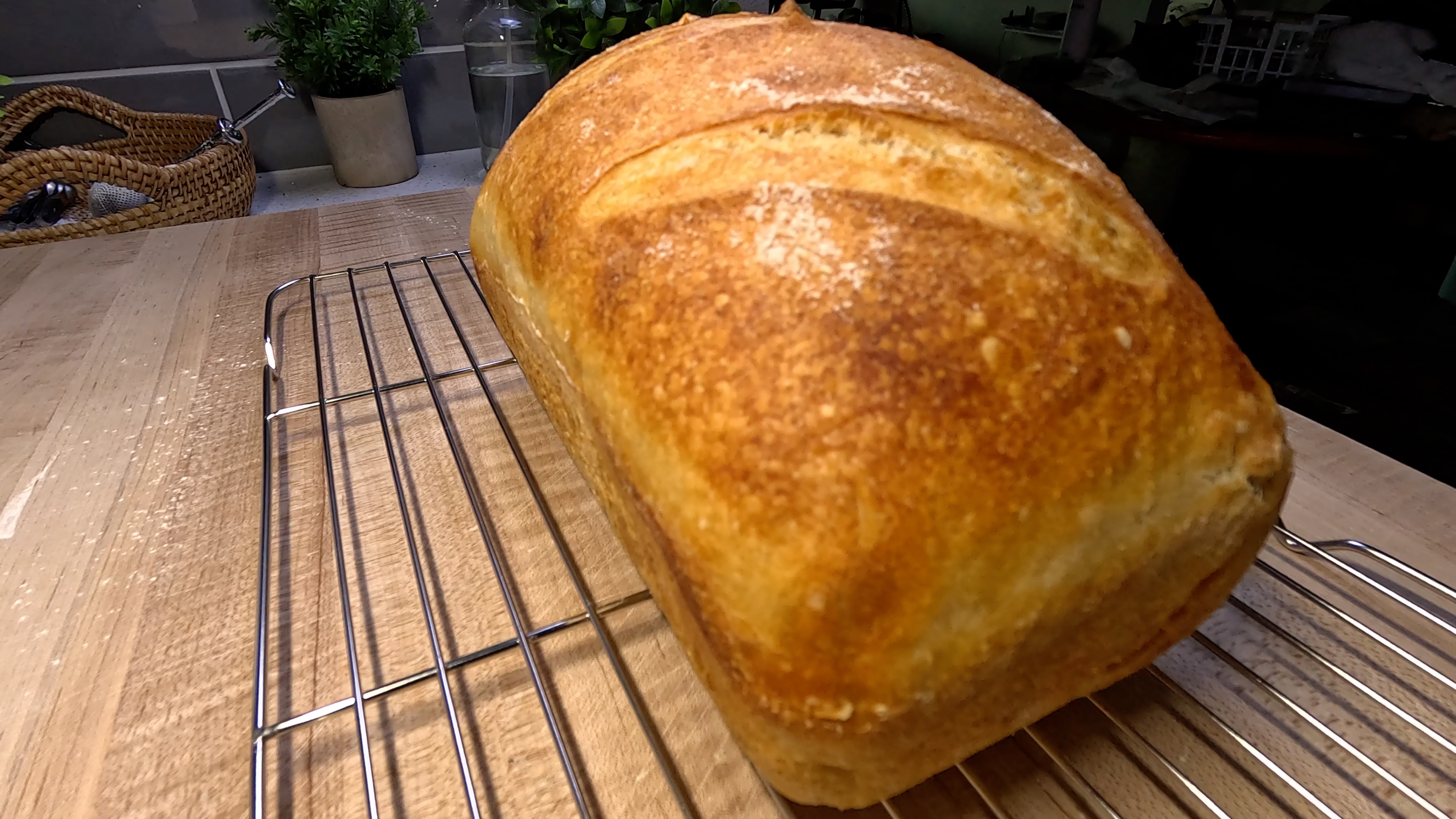
This extended fermentation period also develops incredible flavor. Those complex, tangy notes in your No-Knead Sourdough Bread: No Dutch Oven (AP Flour Edition) come from the slow breakdown of starches into sugars, which then ferment into delicious acids and esters.
Benefits of the Gentle Approach
Better Flavor Development: Longer fermentation = more complex flavors Improved Digestibility: Extended fermentation pre-digests proteins Less Work: Your biggest effort is patience, not elbow grease More Forgiving: Harder to overwork the dough
When to Knead vs. When to Wait
Traditional Kneading Wins When:
- You're short on time (under 4 hours total)
- Making enriched doughs with eggs, butter, or sugar
- Working with lower-hydration doughs
- You enjoy the meditative process (it's genuinely therapeutic!)
No-Knead Excels When:
- You have 12-24+ hours for fermentation
- Working with high-hydration doughs (like our No-Knead Sourdough Baguette! (80% Hydration))
- You want maximum flavor development
- Your schedule is unpredictable
Mastering Both Techniques
Perfect Kneading Tips
The Push-Fold Method: Push dough away with heel of hand, fold back over itself, rotate 90°, repeat Watch for Signs: Dough becomes smooth, elastic, and springs back when poked Don't Overdo It: Over-kneaded dough becomes tough and dense Trust the Windowpane: Stretch a small piece – it should be translucent without tearing
No-Knead Success Secrets
Embrace High Hydration: Wetter dough develops gluten more easily Use Folds: Gentle letter folds every 30 minutes for the first 2-3 hours Temperature Matters: Cooler temps = slower, better flavor development Be Patient: Good things come to those who wait (and plan ahead!)
The Hybrid Approach: Best of Both Worlds
Many experienced bakers combine techniques, starting with a brief knead to jumpstart gluten development, then letting time do the heavy lifting. This approach gives you flexibility while still building that crucial structure.
Try mixing your dough just until ingredients combine, then performing 3-4 sets of coil folds spaced 30 minutes apart. This gentle handling builds strength without the workout.
Troubleshooting Common Issues
Kneaded Dough Problems:
- Too dense: Likely over-kneaded or under-proofed
- Doesn't rise: Check yeast viability or starter activity
- Tears easily: Under-developed gluten
No-Knead Dough Problems:
- Flat loaf: Insufficient gluten development or over-proofed
- Dense crumb: Too dry, not enough folds, or rushed timeline
- Sticky mess: Normal! High-hydration doughs are tackier
Your Bread Journey Awaits
Whether you're team knead or team patience (or somewhere in between), remember that great bread comes from understanding your ingredients, not following rigid rules. Each flour behaves differently, every starter has its personality, and your kitchen environment plays a huge role in the final result.
The most important ingredient? Your willingness to experiment and learn from each loaf.
Start with whichever method speaks to you – there's no wrong choice! If you're new to bread baking, try our beginner-friendly no-knead recipes to build confidence. If you love the hands-on experience, embrace traditional kneading techniques.
What matters most is that you're baking. Every loaf teaches you something new about the magical transformation of flour, water, salt, and time into something that nourishes both body and soul.
So grab your apron, dust off that mixing bowl, and let's get baking! Your perfect loaf – kneaded or not – is waiting to be discovered.

Comments
Sign in to join the conversation
Sign In