The Science of Steam: Why Your Bread Needs a Humid Oven
Discover why professional bakeries use steam injection and how you can create that perfect crusty, golden loaf at home with simple steam techniques.
Published on February 18, 2026
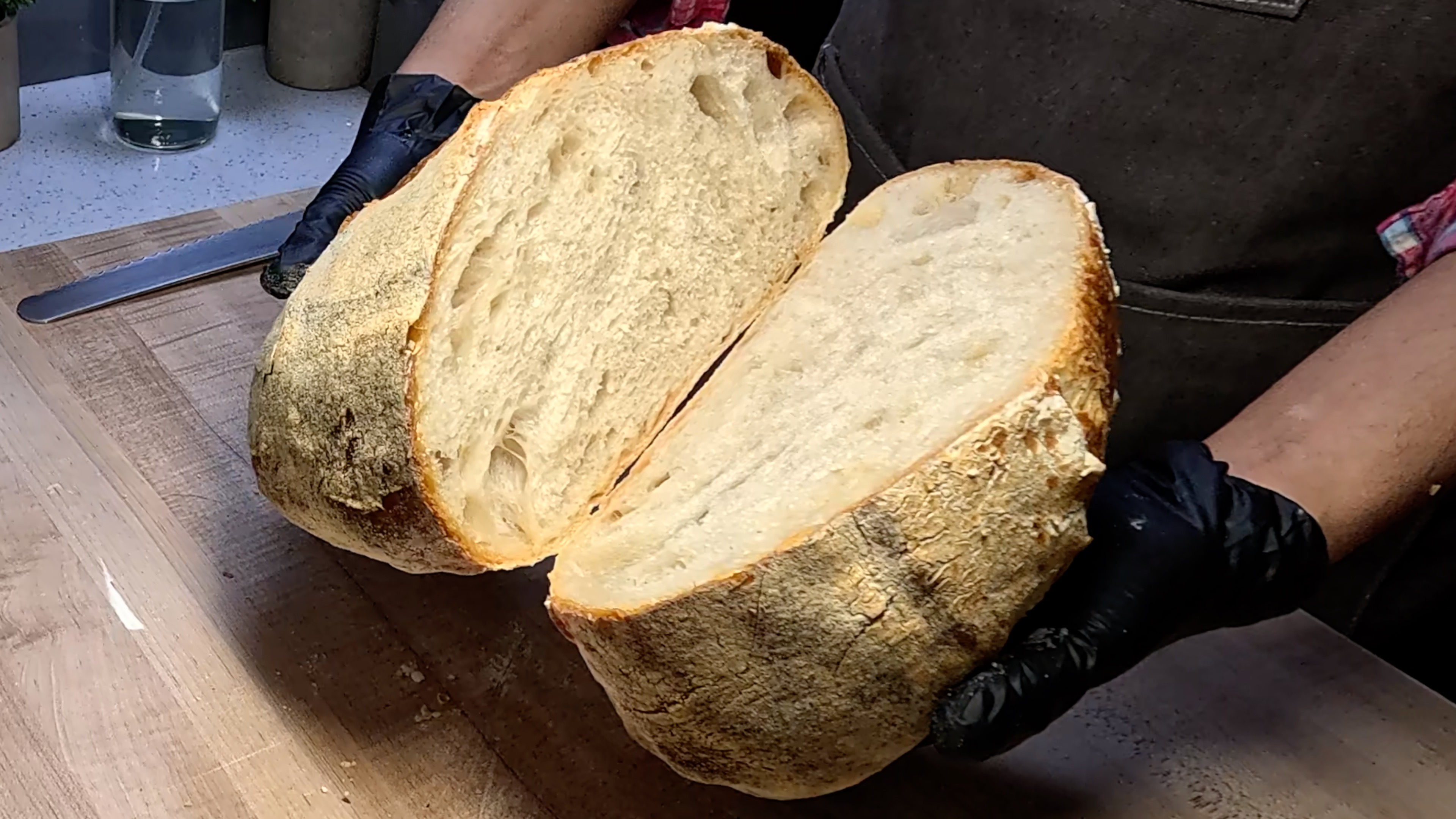
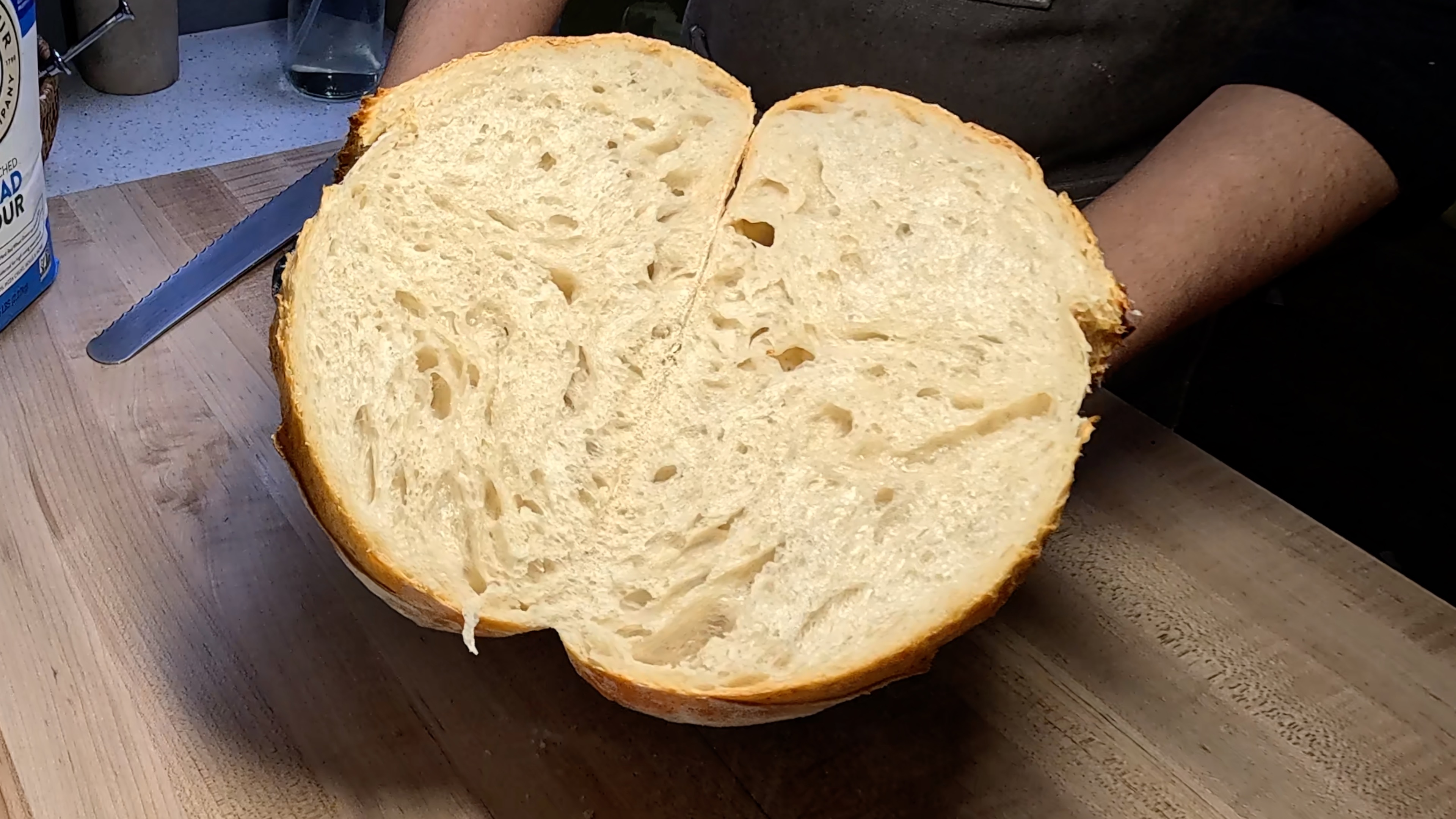
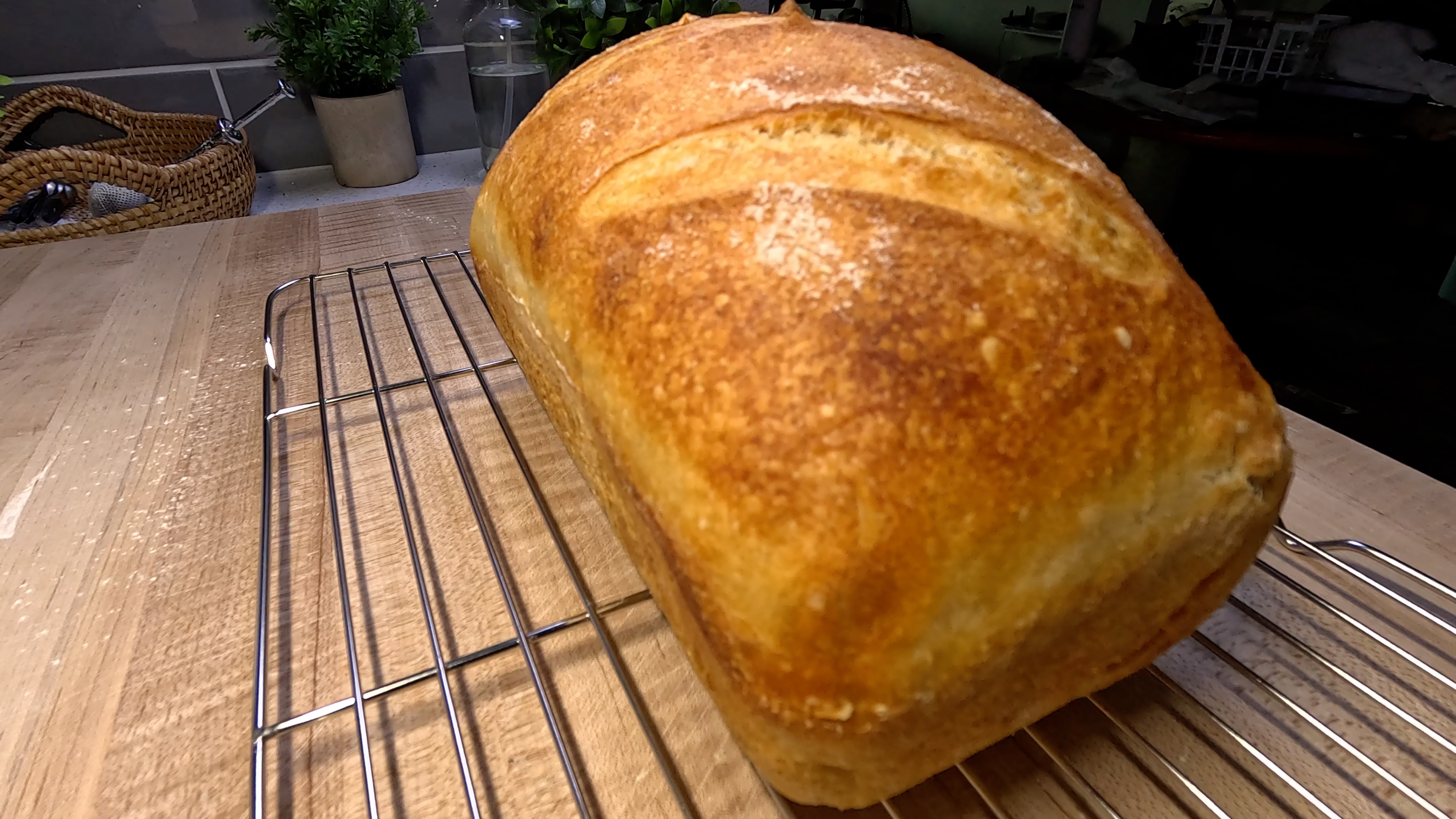
There's nothing quite like that magical moment when you pull a golden sourdough loaf from the oven—its crust crackling as it cools, releasing that intoxicating aroma that fills your entire kitchen. But achieving that perfect crust isn't just luck. It's science, and steam is your secret weapon.
If you've ever wondered why your homemade bread doesn't quite match the crusty perfection of artisan bakery loaves, the answer likely lies in humidity. Professional bakers have known this secret for centuries, and today I'm sharing exactly why steam transforms ordinary bread into extraordinary loaves.
What Steam Actually Does to Your Bread
Creates the Perfect Crust
Steam works its magic in the first crucial minutes of baking. When your shaped dough hits that hot, humid oven, the surface stays moist and pliable longer than it would in dry heat. This extended flexibility allows your loaf to achieve maximum "oven spring"—that beautiful final rise that creates an impressive, well-developed shape.
Without steam, the crust forms too quickly, creating a tough barrier that restricts expansion. The result? Dense, squat loaves that never reach their full potential.
Develops That Golden, Glossy Finish
The moisture on your bread's surface is where the real magic happens. As temperatures rise, this thin layer of water helps activate enzymes that break down starches into sugars. These sugars then undergo the Maillard reaction—the same process that browns a perfect steak—creating that gorgeous golden color and complex flavor we associate with artisan bread.
This is especially important when baking sourdough, where that tangy flavor deserves to be complemented by a stunning visual presentation.
The Science Behind Steam Injection
Temperature and Timing
Steam needs to be introduced at precisely the right moment. During the first 15-20 minutes of baking, when your oven temperature is at its peak (usually around 450°F), steam keeps the surface temperature lower than the interior. This temperature differential is crucial for proper expansion.
As the steam evaporates and the crust begins to set, your bread transitions from the expansion phase to the browning phase. Remove the steam source too early, and you'll miss out on maximum rise. Leave it too long, and your crust won't develop that satisfying crunch.
The Gelatinization Process
Here's where it gets really interesting: steam helps gelatinize the starches on your bread's surface. When starch granules absorb moisture and heat simultaneously, they swell and burst, creating a smooth, shiny surface that later becomes that coveted crispy crust.
This process is particularly beautiful with high-hydration doughs like those used in our No-Knead Sourdough Baguette! (80% Hydration), where the extra moisture in the dough works in harmony with external steam.
Home Baker Steam Techniques That Actually Work
The Dutch Oven Method
While our Classic Sourdough Bread recipe showcases this technique beautifully, the Dutch oven method creates its own steam environment. The moisture naturally present in your dough turns to steam in the enclosed space, creating perfect humidity levels without additional equipment.
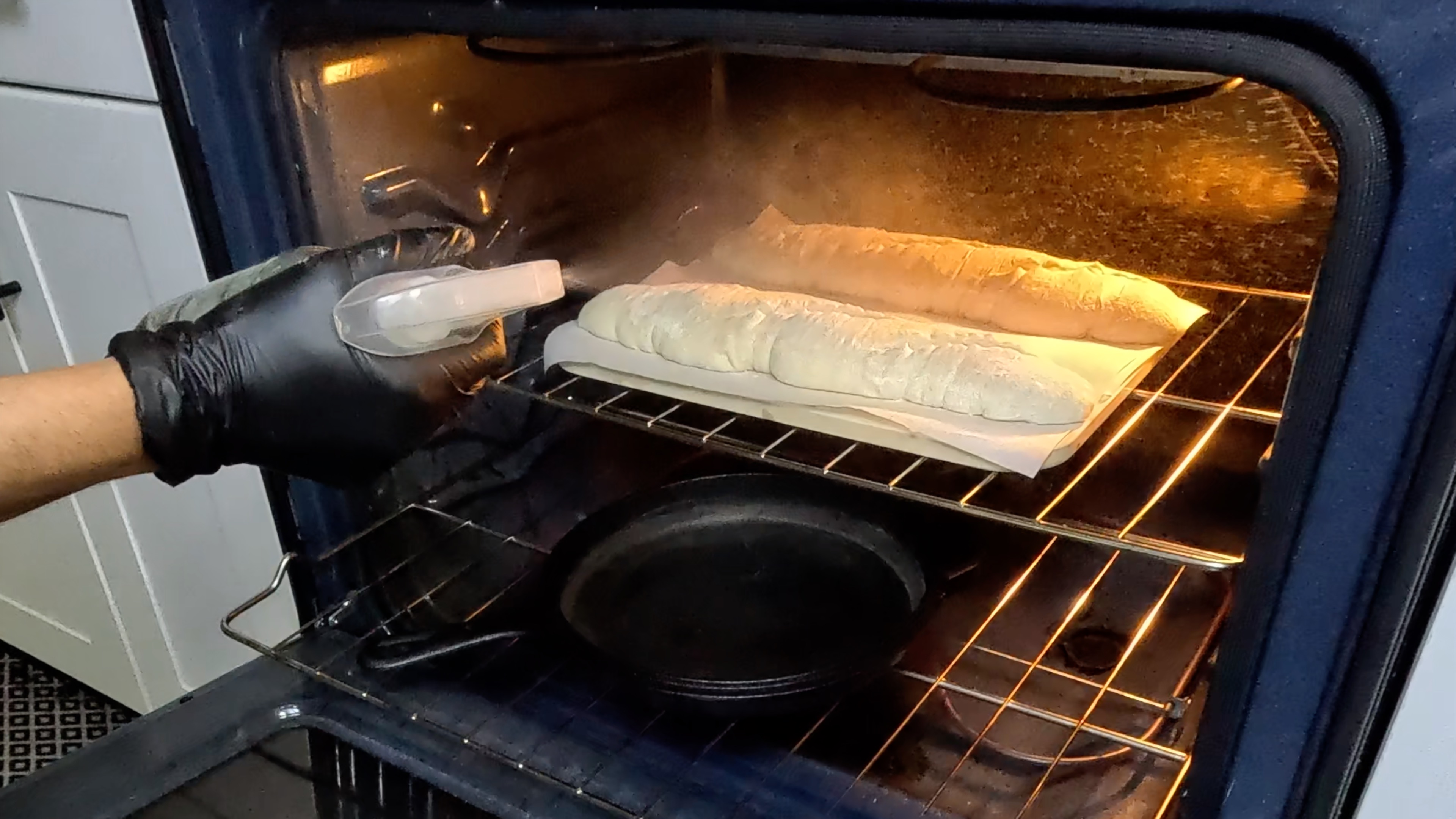
Ice Cube and Pan Method
For breads baked on a stone or sheet pan, like our Sourdough Bread (No-Knead, NO Dutch Oven), try this reliable technique:
- Place an empty metal pan on the bottom oven rack while preheating
- When you load your bread, quickly add 6-8 ice cubes to the hot pan
- Close the oven door immediately to trap the steam
- Remove the pan after 15-20 minutes
The Towel and Spray Method
For a gentler approach, place a damp kitchen towel in a metal pan during preheating. The gradual steam release works wonderfully for delicate breads or when you're baking multiple loaves.
Common Steam Mistakes (And How to Avoid Them)
Opening the Oven Door
I know it's tempting to peek, but resist! Opening that oven door releases all your carefully created humidity. Trust the process and keep that door closed for at least the first 20 minutes.
Using Too Much Water
More isn't always better. Excessive steam can actually prevent proper crust formation, leaving you with a pale, soft exterior instead of that golden crunch you're after.
Wrong Timing
Remember: steam for expansion, then dry heat for browning. Most breads need steam for the first 15-20 minutes, then dry heat for the remainder of the bake.
Troubleshooting Your Steam Game
Pale, Soft Crusts
If your bread looks anemic, you might be using too much steam for too long. Try reducing the amount of water or removing your steam source earlier in the baking process.
Cracked or Split Loaves
Insufficent steam often causes premature crust formation, leading to ugly splits as the interior expands. Increase your humidity levels and ensure you're introducing steam immediately when the bread goes in.
Uneven Browning
This usually indicates uneven steam distribution. Make sure your steam source covers the entire baking area, and consider rotating your bread halfway through the steam phase.
Taking Your Steam Technique to the Next Level
Experiment with Different Methods
Each bread benefits from slightly different steam approaches. Dense, rustic loaves might need more aggressive steaming, while delicate enriched doughs require a gentler touch.
Watch for Visual Cues
As you gain experience, you'll start to recognize the signs: that glossy, taut surface that indicates proper steam absorption, the way the dough springs up confidently in those first crucial minutes.
Document Your Results
Keep notes on your steam techniques. What worked for your sourdough might need adjustment for your whole wheat loaves. Building this knowledge base will make you a more intuitive baker.
Your Next Steam-Powered Bake
Now that you understand the science behind steam, you're equipped to transform your home baking. Whether you're working on a rustic country loaf or experimenting with our beginner-friendly no-knead recipes, proper steam technique will elevate every single bake.
Remember, great bread isn't just about following a recipe—it's about understanding the why behind each technique. Steam isn't just moisture; it's the bridge between good bread and extraordinary bread.
Ready to put this knowledge to work? Pick one of your favorite recipes and focus entirely on perfecting your steam technique. I guarantee you'll taste the difference in that very first bite—that perfect contrast between a crackling crust and tender crumb that makes homemade bread absolutely irresistible.
What steam method will you try first? Share your results and questions in the comments below—I love hearing about your baking adventures!
Comments
Sign in to join the conversation
Sign In