No-Fuss Sourdough: Great Bread Without the Stress
Think sourdough has to be complicated? Think again. Here's how to bake beautiful, tangy loaves with minimal effort and maximum reward.
Published on May 18, 2026
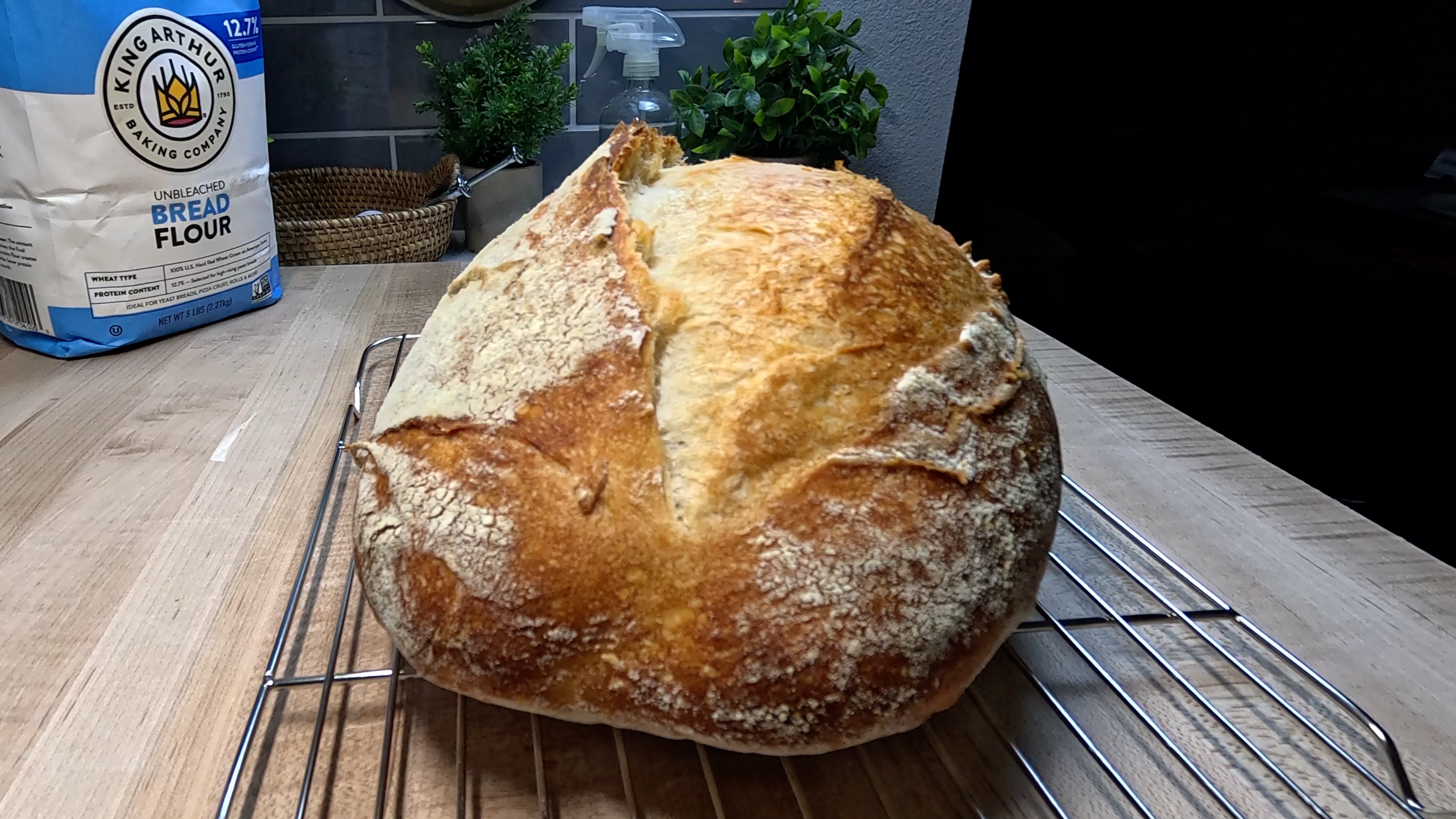
Let's be honest for a second. Sourdough has a bit of a reputation problem.
Scroll through any baking forum and you'll find elaborate spreadsheets, debates about hydration percentages down to the decimal, and enough technical jargon to make your head spin. It can feel like you need a science degree just to bake a loaf of bread.
But here's the thing — you really don't.
Sourdough is, at its heart, one of the oldest and most forgiving foods humans have ever made. For thousands of years, bakers with no thermometers, no Dutch ovens, and no Instagram followers were producing gorgeous, tangy, crusty loaves. If they could do it, so can you.
This post is your permission slip to simplify. Let's talk about no-fuss sourdough: what it means, how to approach it, and how to get a beautiful loaf on your table without the overwhelm.
Recommended Product
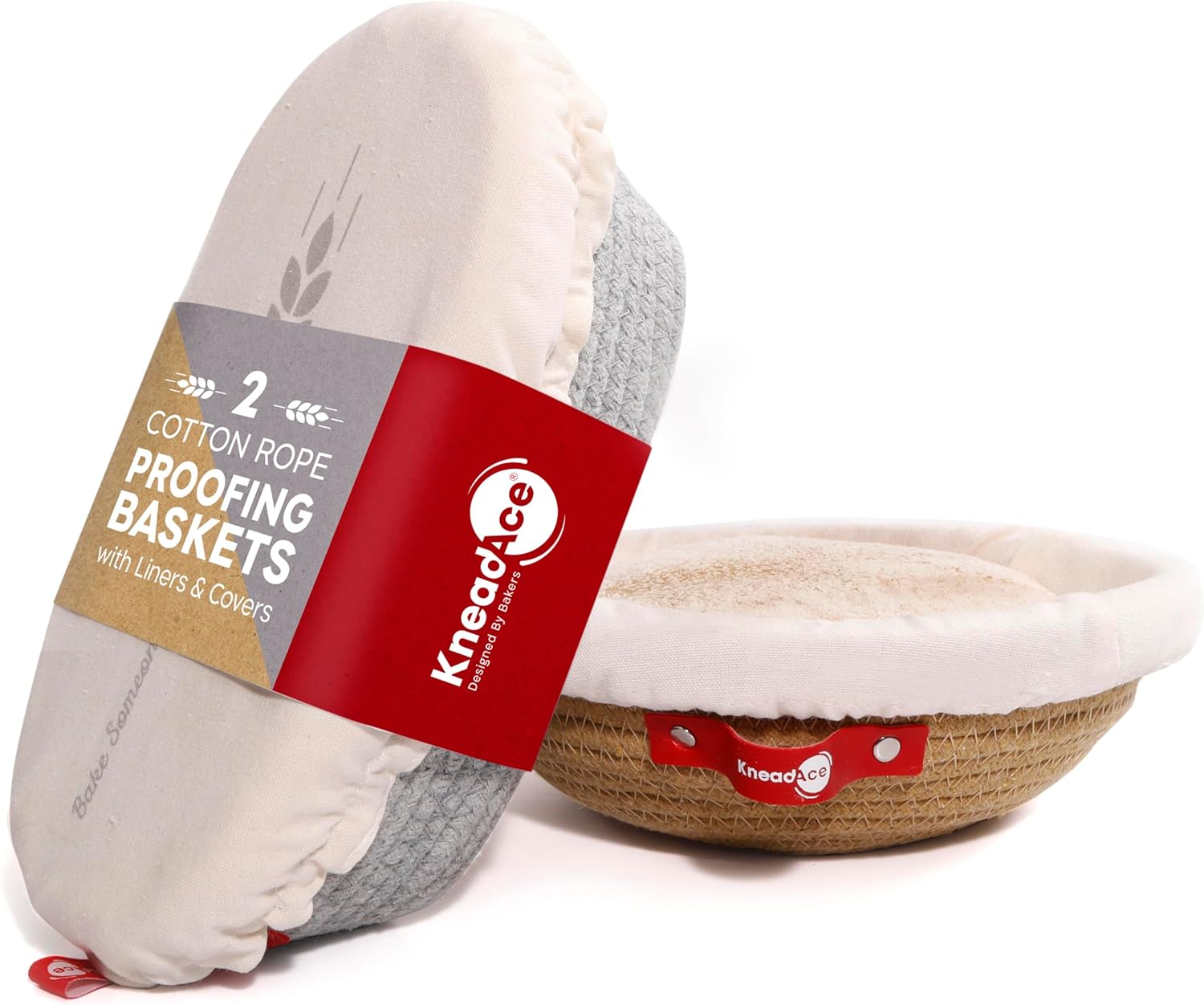
KneadAce Cotton Rope Banneton Bread Proofing Basket Set, Oval & Round Bread Baskets with Liners & Covers
What Does "No-Fuss" Actually Mean?
No-fuss sourdough doesn't mean cutting corners or settling for a mediocre loaf. It means working smarter, not harder — leaning on time and fermentation to do the heavy lifting instead of relying on intensive technique.
The real secret? Time is your most powerful ingredient.
A long, slow fermentation — especially a cold overnight proof in the fridge — does more for your bread's flavor, structure, and crumb than any complicated folding technique ever could. The wild yeast and bacteria in your starter quietly work away while you sleep, building that complex, tangy flavor and developing gluten without you lifting a finger.
That's the philosophy behind no-fuss sourdough. Let nature do its thing.
Recommended Product
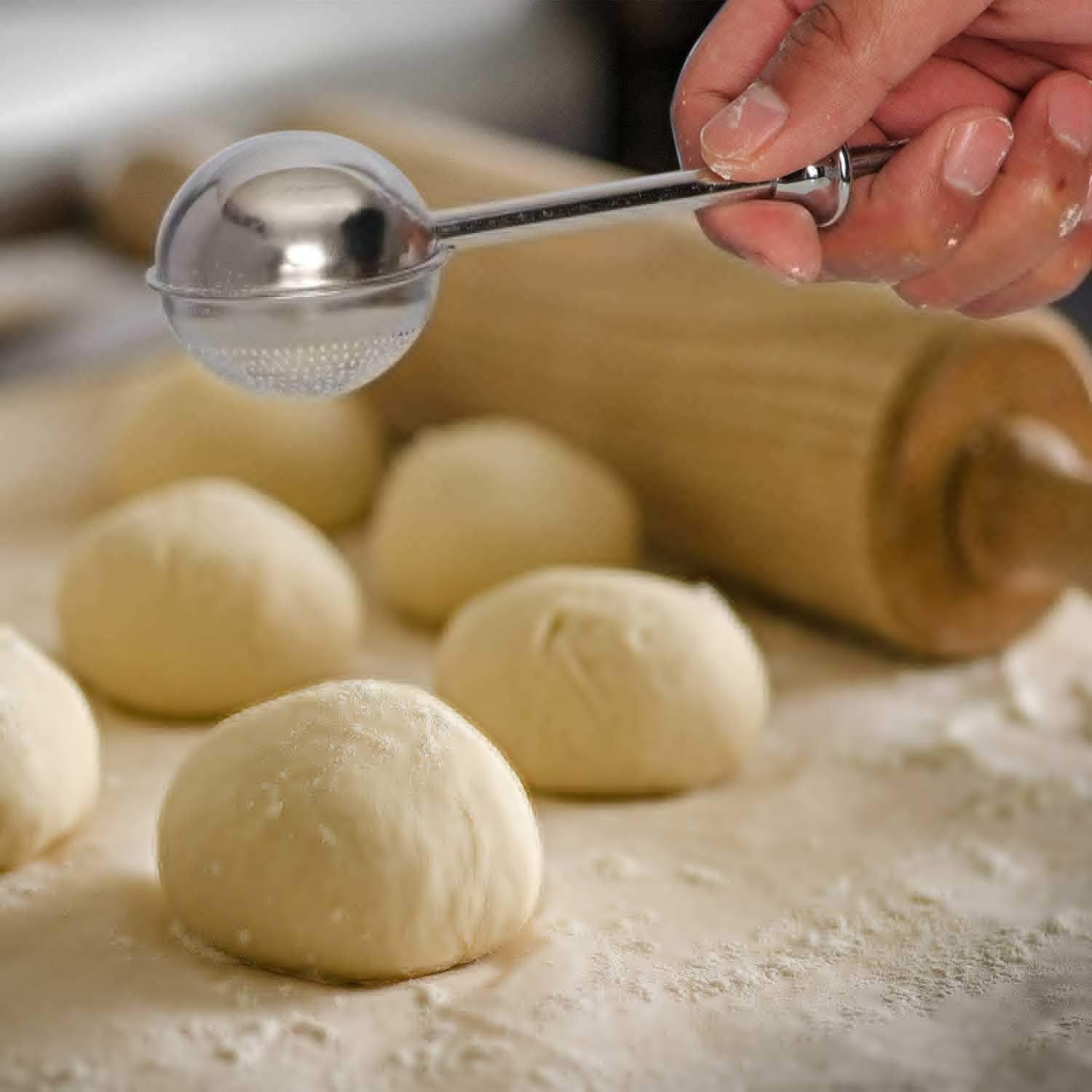
HULISEN Flour Duster for Baking, One-Handed Operation, 304 Stainless Steel Powdered Sugar Shaker Duster
The No-Knead Method: Your New Best Friend
If there's one technique that unlocks truly effortless sourdough baking, it's the no-knead method.
Traditional bread baking relies on kneading to develop gluten — the network of proteins that gives bread its structure and chew. But kneading takes time, energy, and a fair bit of practice to get right.
The no-knead method sidesteps all of that. By using a wetter dough and allowing a longer fermentation time, gluten develops naturally on its own. You mix your ingredients, do a few gentle folds throughout the day (we're talking 30 seconds of effort, not 10 minutes of wrestling), and let time handle the rest.
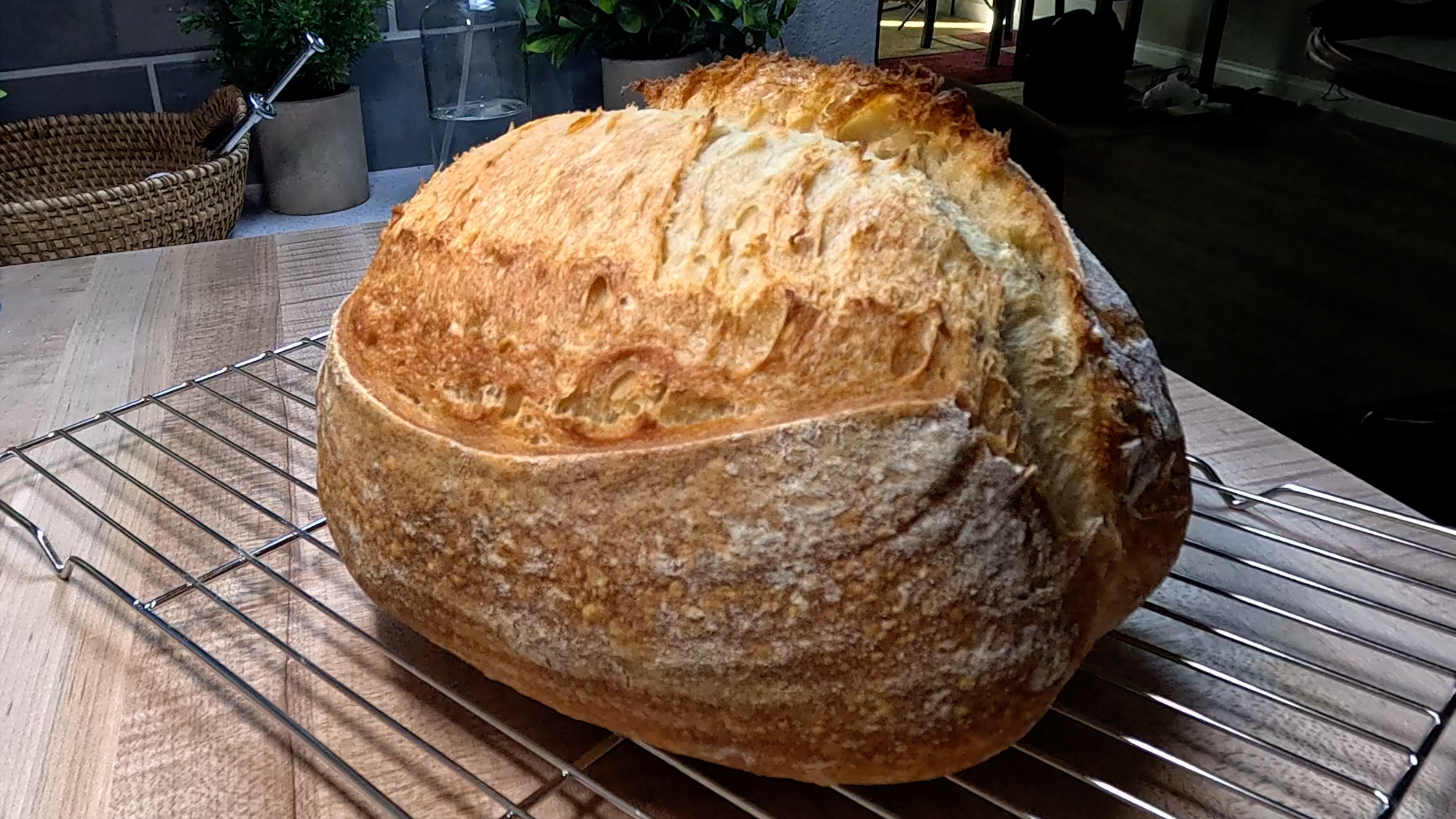
The result? A beautifully structured, open-crumbed loaf with a crackling golden crust — and you barely broke a sweat.
Our Sourdough Bread (No-Knead, NO Dutch Oven) recipe is a perfect starting point. It's designed with beginners in mind, uses minimal equipment, and delivers a genuinely impressive artisan loaf with very little hands-on time.
Recommended Product
HULISEN Flour Duster for Baking, One-Handed Operation, 304 Stainless Steel Powdered Sugar Shaker Duster
You Don't Need Fancy Equipment
One of the biggest myths in sourdough baking is that you need a Dutch oven. And while a Dutch oven is a fantastic tool, it's absolutely not required to bake a gorgeous loaf.
Here's what you actually need to get started:
- A large mixing bowl — that's it for mixing
- A kitchen scale — baking by weight is far more reliable than cups
- A baking sheet or loaf pan — whatever you have works
- An oven — yes, a regular home oven is perfectly fine
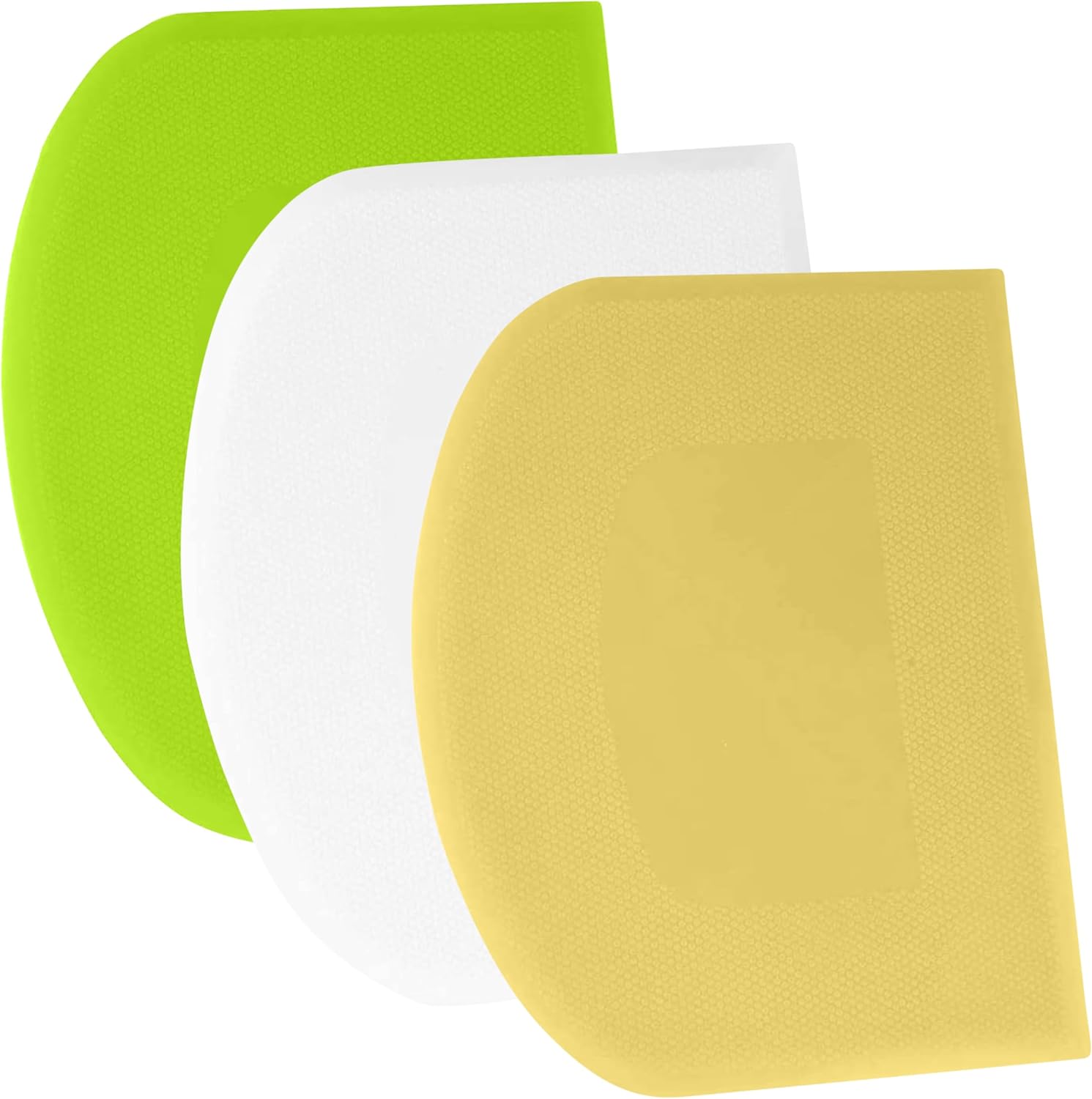
That's genuinely the whole list. No banneton? Use a bowl lined with a floured tea towel. No bench scraper? A spatula works. No lame for scoring? A sharp serrated knife does the job beautifully.
If you want proof that simplicity works, check out our No-Knead Sourdough Bread: No Dutch Oven (AP Flour Edition). All you need is a bowl, a baking sheet, and a bubbly starter — and you'll pull a crusty, chewy loaf out of your oven that you'll be genuinely proud of.
Practical Tips for Stress-Free Sourdough
1. Work With Your Schedule, Not Against It
Sourdough is incredibly flexible. The cold fridge slows fermentation dramatically, which means you can pause the process for hours — or even overnight — whenever life gets in the way. Mix your dough in the evening, let it ferment overnight in the fridge, and bake it the next morning. Or the morning after that. The dough will wait for you.
2. Stop Chasing Perfection
A slightly dense crumb is still delicious bread. A loaf that didn't bloom quite the way you wanted still tastes incredible with butter. Give yourself grace, especially in the beginning. Every single loaf — even the "failed" ones — teaches you something valuable about your starter, your kitchen, and your process.
3. Keep Your Starter Simple
You don't need to feed your starter on a rigid schedule or keep multiple jars going. A healthy starter lives happily in the fridge and only needs feeding once a week if you're baking regularly. Take it out the night before you plan to bake, give it a feed, and it'll be bubbly and ready to go by morning.
4. Use the Float Test
Not sure if your starter is active enough to bake with? Drop a small spoonful into a glass of water. If it floats, it's ready. If it sinks, give it a bit more time to develop. Simple, fast, reliable.
5. Embrace the Fridge Proof
Cold-proofing your shaped dough overnight in the refrigerator is one of the best things you can do for both flavor and ease. It deepens that gorgeous tangy taste, makes the dough easier to score, and fits neatly into real life. Bake it straight from the fridge the next day — no need to bring it to room temperature first.
No-Fuss Doesn't Mean Boring
Once you're comfortable with the basics, the no-fuss philosophy opens up a whole world of fun baking. You can apply the same low-effort, high-reward approach to so much more than a basic boule.
Think about pulling a tray of fluffy, slightly tangy No-Knead Sourdough Dinner Rolls out of the oven for a Sunday roast. Or shaping a few long, rustic baguettes with that signature crackling crust — all without breaking a sweat. The no-knead technique scales beautifully across so many different shapes and styles.
Sourdough's wild fermentation adds a beautiful depth of flavor to everything it touches, and once you stop stressing about doing it "right," you'll start having a lot more fun in the kitchen.
Recommended Product
Glad Cling N Seal Plastic Wrap for Food, Airtight Seal, 300 Square Foot Roll (Pack of 4)
The Bottom Line
Great sourdough doesn't demand perfection. It doesn't require expensive equipment, advanced techniques, or an entire weekend blocked out on your calendar. It asks for a little patience, a bubbly starter, and a willingness to trust the process.
The smell of a fresh loaf filling your kitchen — that deep, yeasty, slightly tangy aroma — and the sound of a crust crackling as it cools on the rack? That reward is absolutely available to you, no matter where you are in your baking journey.
So take a breath, simplify your approach, and get baking. Your no-fuss sourdough loaf is waiting.
Ready to dive in? Start with our Sourdough Bread (No-Knead, NO Dutch Oven) and see just how approachable homemade sourdough can be. Drop your results in the comments — we'd love to see what comes out of your oven! 🍞
Comments
Sign in to join the conversation
Sign In