
Bulk Fermentation Mastery: Reading Your Dough Like a Pro
Learn the visual, tactile, and timing cues that transform good bakers into dough whisperers. Master bulk fermentation for perfect bread every time.
Published on March 16, 2026
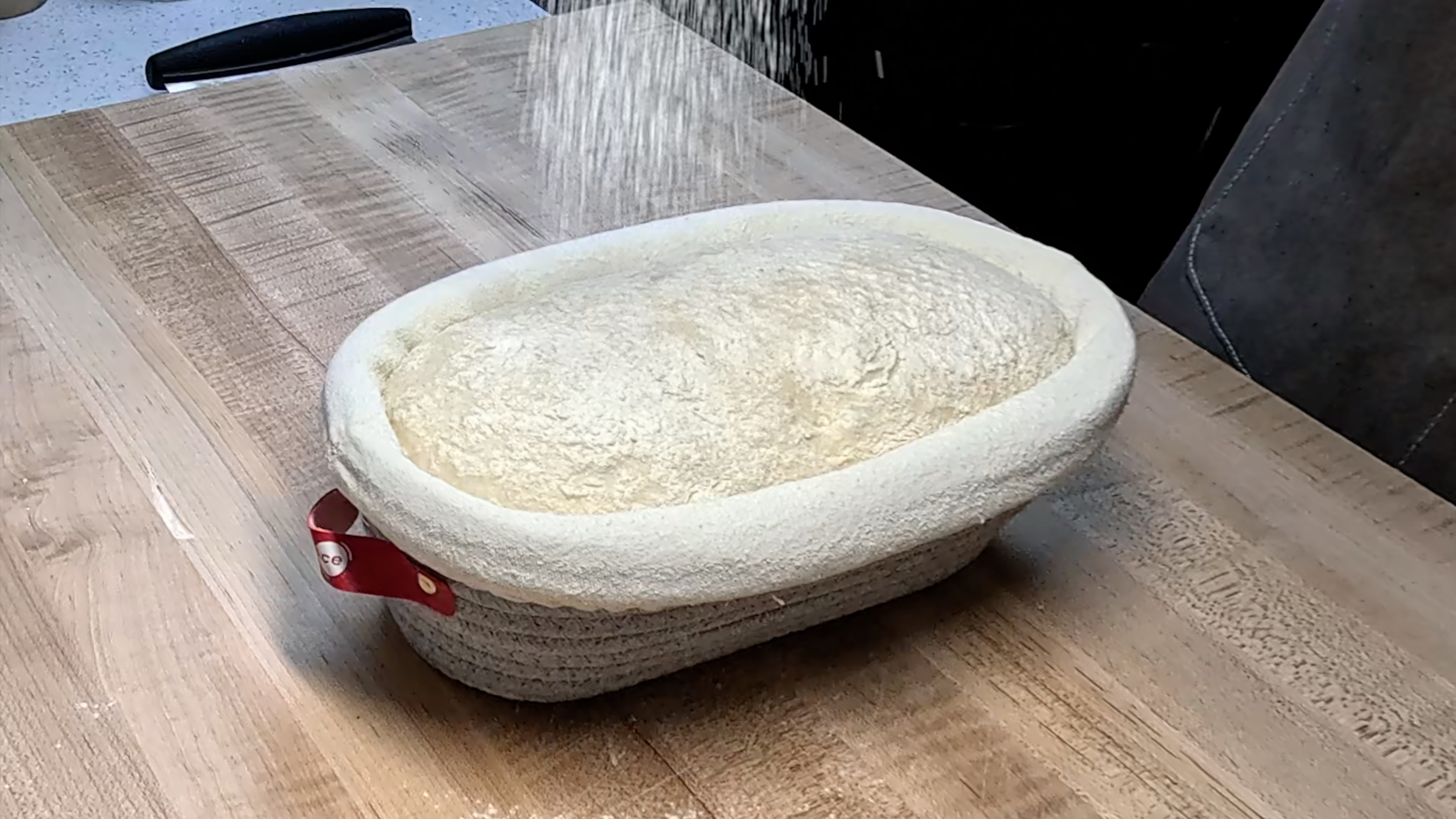
Bulk fermentation is where the magic happens. It's the crucial window between mixing and shaping when your dough transforms from a shaggy mass into a pillowy, alive canvas ready for baking. But here's the thing—mastering bulk fermentation isn't about following a timer. It's about learning to read your dough like a well-loved book.
After years of sourdough baking, I've learned that becoming a "dough whisperer" comes down to understanding the subtle signs your dough gives you. Let's dive into the art and science of recognizing when your bulk fermentation is just right.
Recommended Product

KneadAce Cotton Rope Banneton Bread Proofing Basket Set, Oval & Round Bread Baskets with Liners & Covers
What Exactly Is Bulk Fermentation?
Bulk fermentation (also called the first rise) is the period after mixing when your dough develops flavor, structure, and those coveted air bubbles. During this time, wild yeast and bacteria in your sourdough starter feast on the flour, producing carbon dioxide that creates lift and lactic acid that develops that signature tang.
Think of it as your dough's growth phase—it's getting stronger, more flavorful, and building the internal structure that will give you those gorgeous open crumb holes we all chase.
Recommended Product
KneadAce Cotton Rope Banneton Bread Proofing Basket Set, Oval & Round Bread Baskets with Liners & Covers
The Visual Cues: What to Look For
Size Increase (But Not What You Think)
Contrary to popular belief, you're not waiting for your dough to double in size. Most sourdough recipes need only a 30-50% increase during bulk fermentation.
Here's my favorite trick: Take a photo of your dough right after mixing, then compare throughout the process. You'll start noticing the subtle dome that develops as gas builds up inside.
Surface Transformation
Watch your dough's surface like a detective:
- Early stage: Smooth, tight skin
- Mid-stage: Small bubbles appearing under the surface
- Ready stage: Visible bubbles poking through, with a slightly jiggly, alive appearance
When you see those surface bubbles and the dough looks puffy and alive, you're getting close to the finish line.
The Jiggle Test
Give your container a gentle shake. Properly fermented dough will jiggle like perfectly set gelatin—not liquid, not rigid, but with a pleasant wobble that shows the gluten has developed while maintaining gas retention.
Recommended Product
Bob's Red Mill Organic All Purpose Unbleached Flour, 3 Pound (Pack of 4) - Non-GMO
The Tactile Signs: Feel Your Way to Success
The Poke Test Perfected
Gently poke your dough with a floured finger about half an inch deep. Here's what to look for:
- Under-fermented: Springs back immediately
- Perfect: Springs back slowly, leaving a slight indentation
- Over-fermented: Doesn't spring back, or worse, deflates
The sweet spot feels like pressing into a soft pillow—there's give, but also structure.
Texture Evolution
Throughout bulk fermentation, your dough should feel increasingly:
- Smooth and supple
- Less sticky (though high-hydration doughs remain tacky)
- More elastic and stretchy
- Warmer to the touch as fermentation activity increases
Recommended Product
Bob's Red Mill Organic All Purpose Unbleached Flour, 3 Pound (Pack of 4) - Non-GMO
Timing: Your Flexible Framework
Temperature Is Everything
Your kitchen temperature dramatically affects fermentation speed:
- 70-75°F: 4-6 hours typical bulk time
- 65-70°F: 6-8 hours
- Below 65°F: 8+ hours (perfect for overnight countertop fermentation)
I keep a simple thermometer near my dough to track ambient temperature throughout the day.
The Stretch and Fold Window
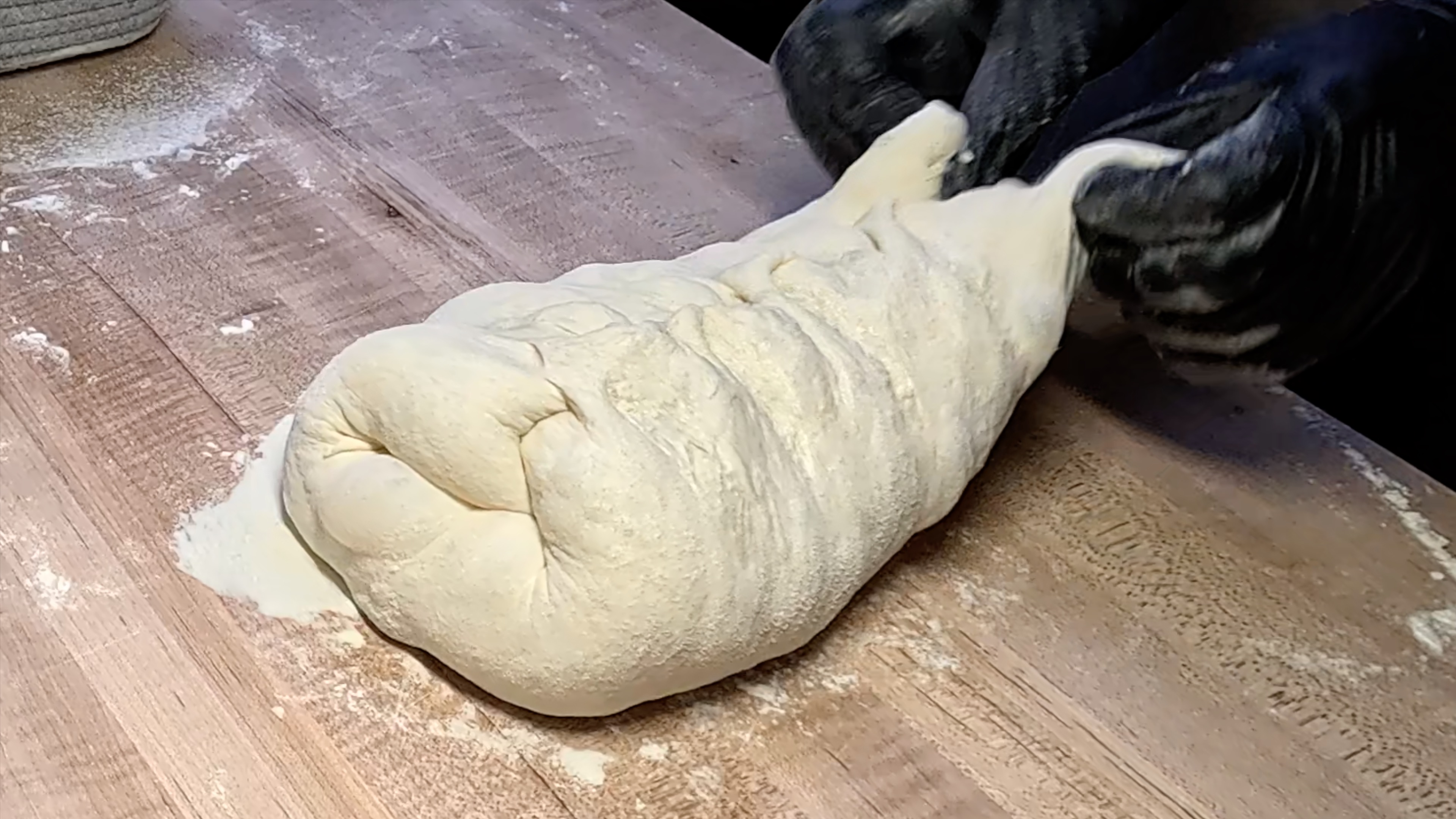
Perform stretch and folds every 30-45 minutes during the first half of bulk fermentation. Each session is an opportunity to assess your dough's progress. You should notice it becoming smoother, stronger, and less sticky with each fold.
Recommended Product
AFUN Chef Aprons for Men Women with Oversized Pockets
Common Bulk Fermentation Mistakes
Mistake #1: Timer Dependency
Ditch the rigid schedule. Your dough doesn't wear a watch! Environmental factors like temperature, starter activity, and flour type all affect timing.
Mistake #2: Fear of Over-Fermentation
Many bakers end bulk fermentation too early, afraid of going too far. Properly fermented dough is more forgiving than under-fermented dough, which leads to dense, gummy results.
Mistake #3: Ignoring Seasonal Changes
Winter dough behaves differently than summer dough. Adjust your expectations and timing accordingly.
Recommended Product
AFUN Chef Aprons for Men Women with Oversized Pockets
Advanced Techniques for Reading Dough
The Container Method
Use a straight-sided, clear container with measurements. Mark your starting level and watch for that 30-50% increase. This visual reference removes guesswork.
The Aliquot Jar Trick
Take a small portion of dough and place it in a narrow jar. This "test dough" will show size changes more dramatically than your main batch, giving you a clear progress indicator.
Document Your Process
Keep notes about timing, temperature, and dough behavior. Over time, you'll develop an intuitive sense for your specific environment and ingredients.
Recommended Product
AFUN Chef Aprons for Men Women with Oversized Pockets
Troubleshooting Bulk Fermentation
Dough seems sluggish? Check your starter activity and kitchen temperature. Cold environments dramatically slow fermentation.
Dough feels slack and sticky after hours? You might be over-hydrated for your flour's protein content, or your starter wasn't quite active enough.
Perfect-looking dough that bakes flat? You may have missed the optimal shaping window. Even properly bulk-fermented dough needs timely shaping.
Recommended Product
![Glass Measuring Cup - [Insulated Handle | V-Shaped Spout]](/uploads/products/1771386842639-glass-measuring-cup.jpg)
Glass Measuring Cup - [Insulated Handle | V-Shaped Spout]
Putting It All Together
Mastering bulk fermentation is like learning to drive—initially overwhelming, but eventually intuitive. Start with reliable recipes like our Classic Sourdough Bread to build your baseline understanding.
For beginners, our No-Knead Sourdough Bread offers a more forgiving approach while you develop your dough-reading skills.
Remember: every "failed" loaf teaches you something. That slightly over-fermented dough? Now you know exactly what that looks and feels like. That under-proofed loaf? You'll recognize those signs immediately next time.
Recommended Product
Glass Measuring Cup - [Insulated Handle | V-Shaped Spout]
Your Journey to Dough Mastery
Becoming fluent in dough language takes time and practice, but it's one of the most rewarding skills you'll develop as a baker. Trust your senses, take notes, and be patient with yourself.
Start your next bake with fresh eyes and curious hands. Pay attention to every detail—the way your dough feels during each stretch and fold, how it looks at different stages, and how environmental changes affect its behavior.
Your perfect loaf is waiting on the other side of this learning curve. Trust the process, trust your dough, and most importantly, trust yourself. Happy baking!
Comments
Sign in to join the conversation
Sign In