Extended Cold Proof: The Secret to Your Best Bread Yet
Discover how extended cold proofing transforms ordinary bread into extraordinary loaves with complex flavors and perfect texture.
Published on May 1, 2026
If you've been baking sourdough for a while, you've probably heard whispers about "extended cold proofing" in baking forums and recipe comments. Maybe you've wondered if it's just another trendy technique, or if there's real magic happening in that cold refrigerator.
Let me tell you—there absolutely is magic, and it's one of the most transformative techniques you can add to your bread-baking arsenal.
Recommended Product
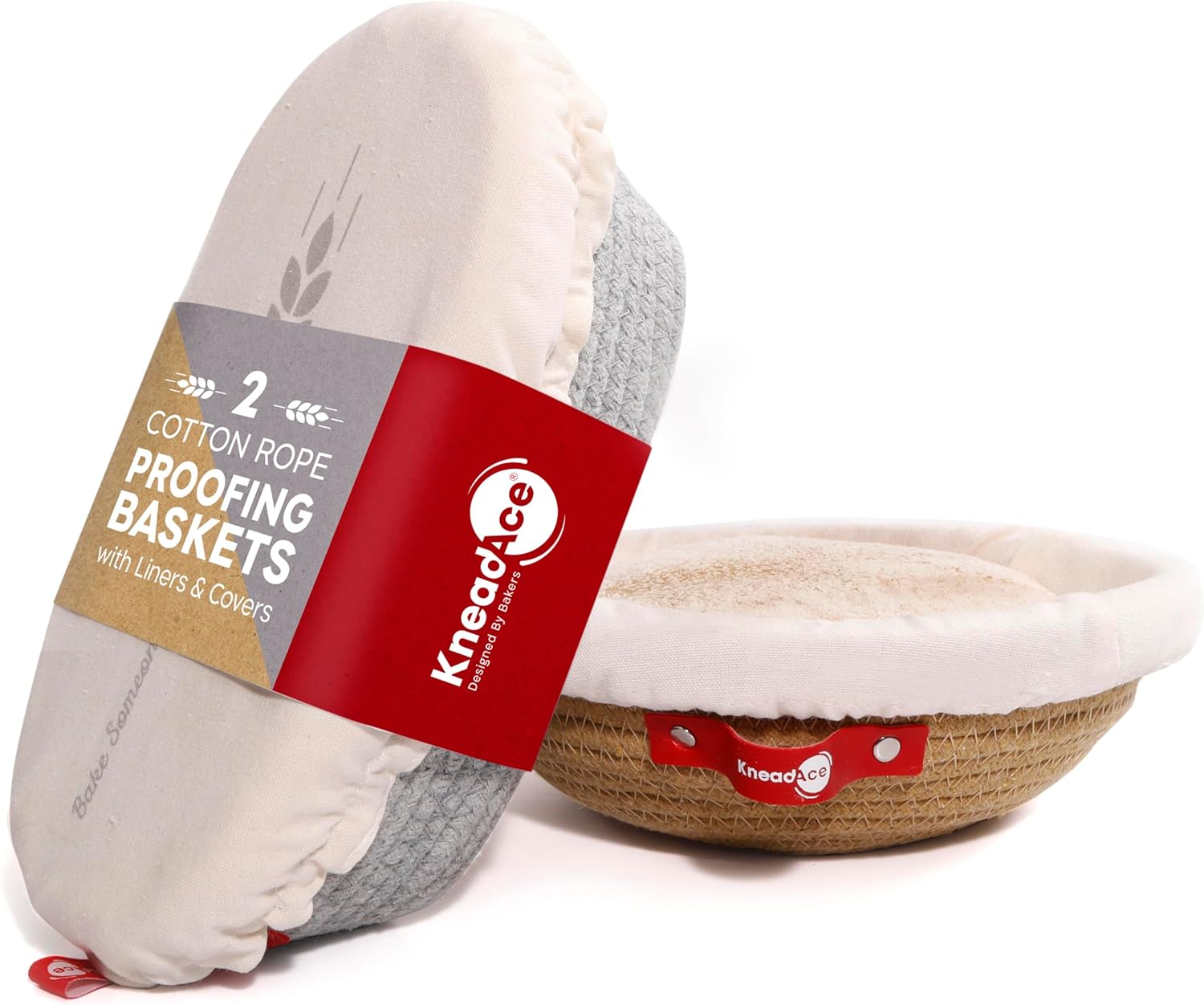
KneadAce Cotton Rope Banneton Bread Proofing Basket Set, Oval & Round Bread Baskets with Liners & Covers
What Is Extended Cold Proofing?
Extended cold proofing (also called cold fermentation or retardation) is exactly what it sounds like: allowing your shaped bread dough to rise slowly in the refrigerator for an extended period—anywhere from 12 hours to several days.
Instead of the typical 2-4 hour final proof at room temperature, you're essentially hitting the pause button on fermentation. The cold temperature slows down yeast activity dramatically, allowing enzymes to work their flavor-building magic while preventing over-proofing.
Recommended Product

Sally's Organics® Empty Clear Glass Spray Bottles - Refillable 16 oz
The Science Behind the Magic
Flavor Development
When dough sits in cold temperatures, something beautiful happens. The slower fermentation allows for more complex flavor compounds to develop. Organic acids build up gradually, creating that signature tangy depth we love in artisan bread.
The extended time also allows enzymes to break down proteins and starches, creating amino acids and sugars that contribute to both flavor and that gorgeous golden-brown crust when you finally bake.
Improved Texture
Cold proofing doesn't just affect flavor—it transforms texture too. The slower fermentation creates a more organized gluten structure, resulting in:
- Better oven spring
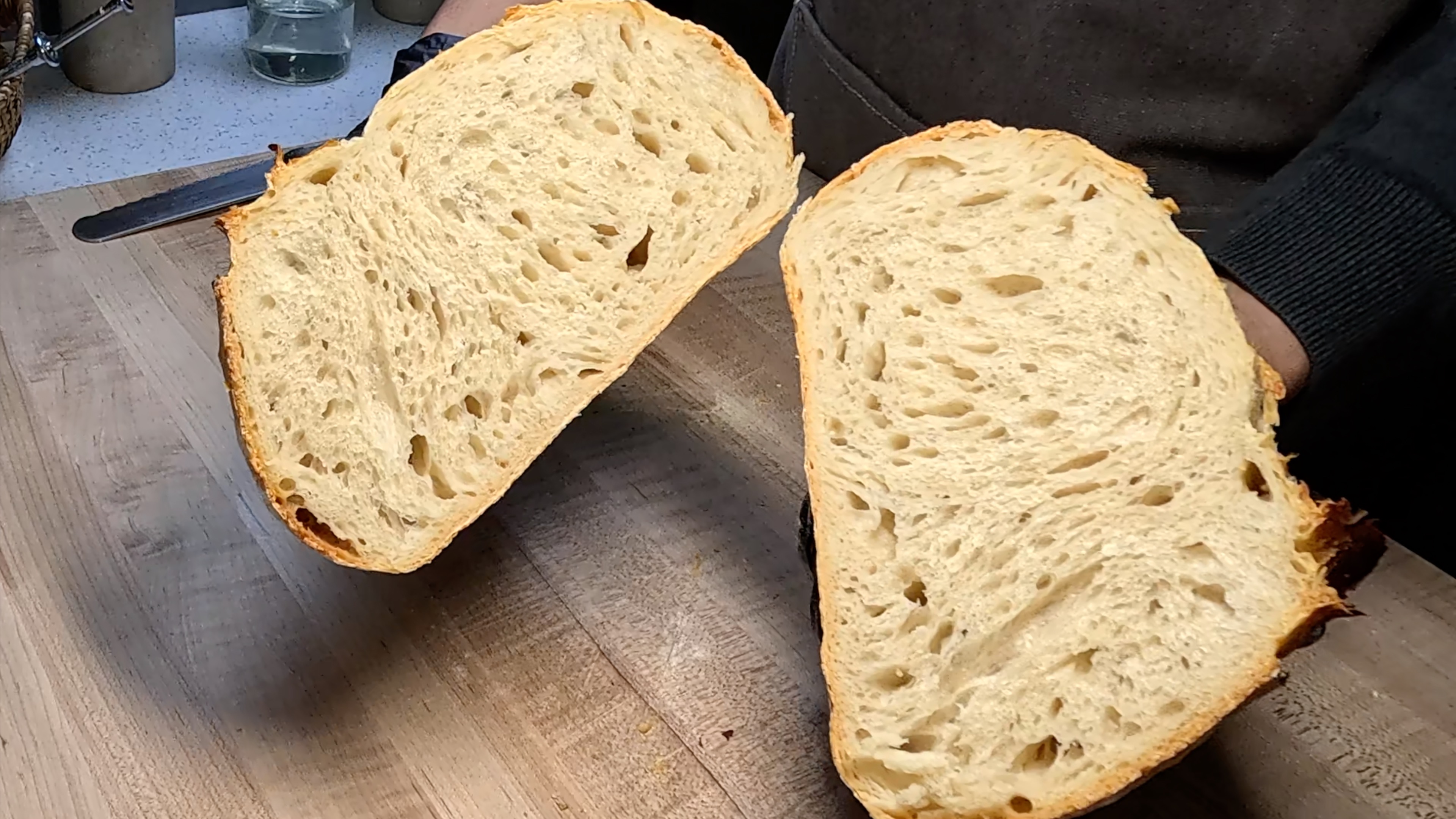
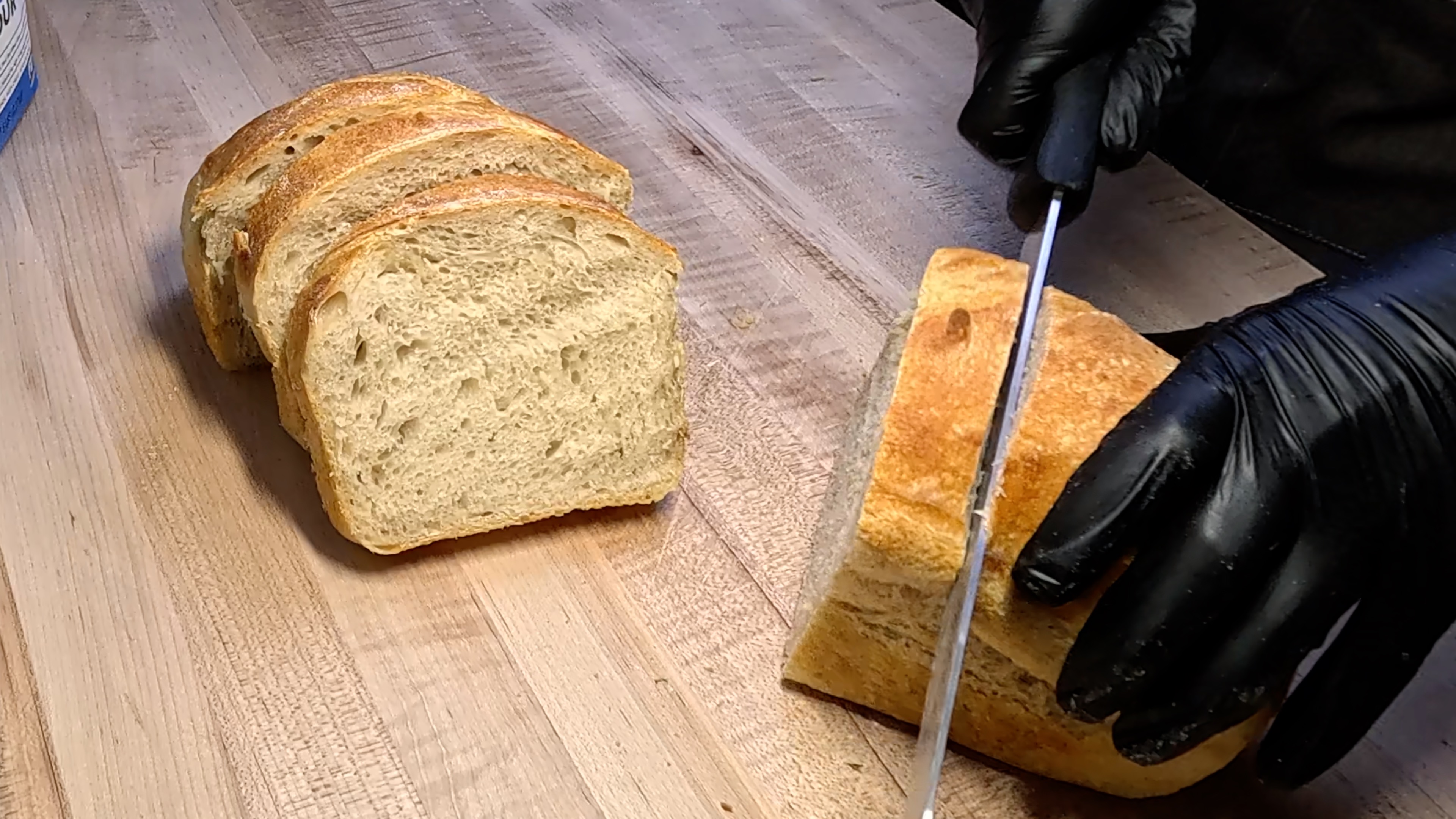
- More open, irregular crumb structure
- Improved crust development
- Enhanced chewiness
Convenience Factor
Here's the practical magic: extended cold proofing fits bread baking into real life. You can shape your dough after dinner, pop it in the fridge, and bake fresh bread the next morning—or even three days later.
Recommended Product
Sally's Organics® Empty Clear Glass Spray Bottles - Refillable 16 oz
How to Master Extended Cold Proofing
Temperature Matters
Your refrigerator should be between 35-40°F (1-4°C). Too warm, and fermentation continues too quickly. Too cold, and it stops entirely. Most home refrigerators hit this sweet spot perfectly.
Timing Guidelines
Minimum: 12 hours for noticeable improvement Sweet spot: 24-48 hours for optimal flavor and texture Maximum: 72 hours before quality starts to decline
I've found that our Classic Sourdough Bread reaches its peak flavor development around the 24-hour mark when cold-proofed.
Proper Storage
Always cover your dough during cold proofing to prevent a skin from forming. Options include:
- Plastic wrap (ensure it's not touching the dough surface)
- Damp kitchen towel
- Proofing baskets with plastic covers
- Large containers with tight-fitting lids
Recommended Product
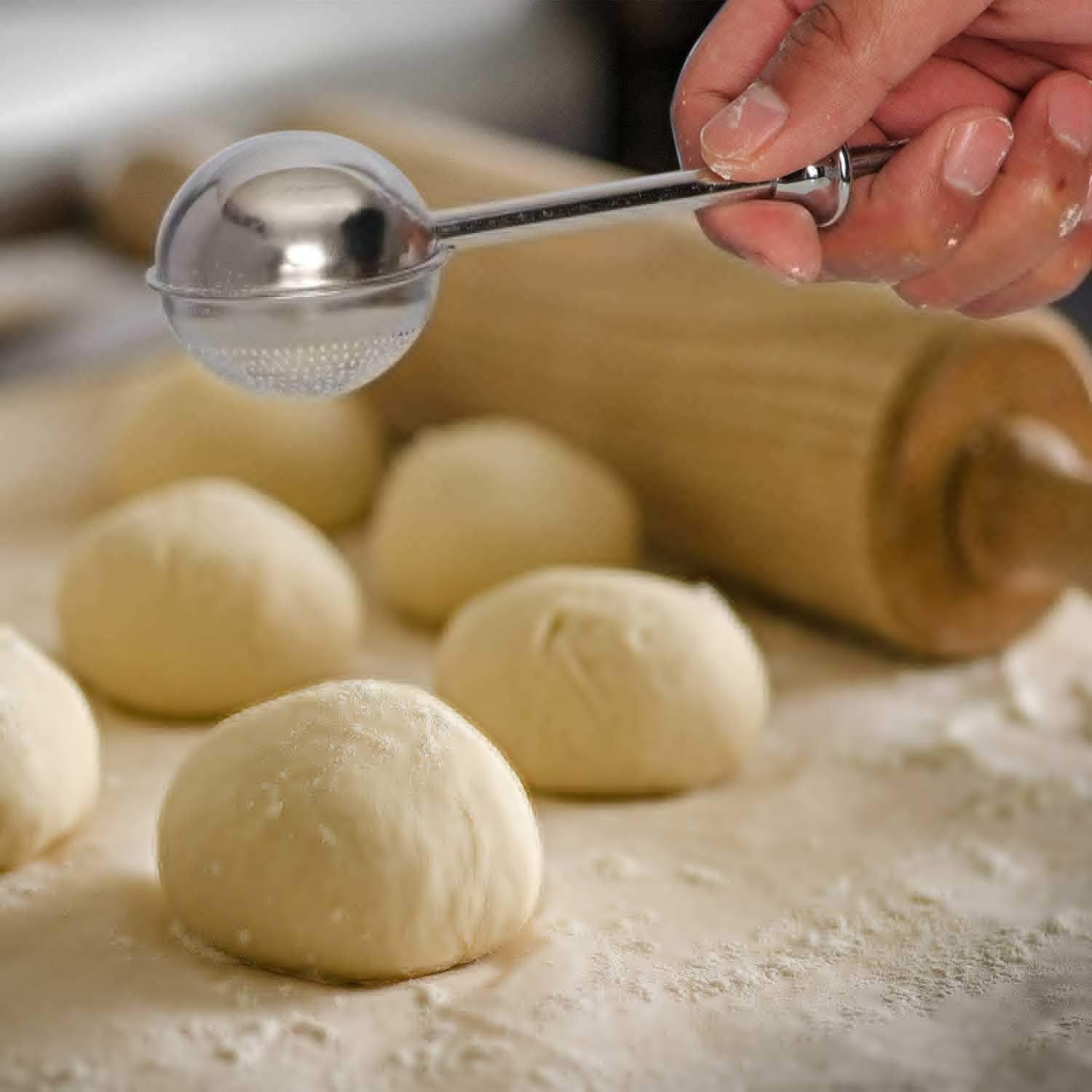
HULISEN Flour Duster for Baking, One-Handed Operation, 304 Stainless Steel Powdered Sugar Shaker Duster
Troubleshooting Common Issues
Over-Proofed Dough
If your dough feels slack and doesn't hold its shape after cold proofing, it may have been over-proofed before going into the fridge. Next time, try shortening your bulk fermentation.
Under-Proofed Results
If your bread is dense with poor oven spring, the dough might not have been ready for cold proofing. Ensure your bulk fermentation is about 80% complete before shaping and refrigerating.
Uneven Results
Temperature fluctuations in your fridge can cause uneven proofing. Try to place your dough in the most temperature-stable area—usually the middle shelf, away from the door.
Recommended Product
HULISEN Flour Duster for Baking, One-Handed Operation, 304 Stainless Steel Powdered Sugar Shaker Duster
Best Recipes for Extended Cold Proofing
Not all breads benefit equally from extended cold proofing, but sourdough varieties absolutely shine. High-hydration doughs like our No-Knead Sourdough Baguette develop incredible flavor complexity during extended cold fermentation.
Enriched doughs (those with eggs, butter, or milk) also respond beautifully to cold proofing, developing deeper, more nuanced flavors.
Tips for Success
Start Conservative
If you're new to extended cold proofing, start with 18-24 hours. You can always extend the time as you get comfortable with how your dough behaves.
Keep Notes
Track your timing, temperature, and results. Every starter and flour behaves slightly differently, so your perfect timing might be unique.
Plan Ahead
The beauty of cold proofing is the flexibility, but it requires planning. Think about when you want fresh bread and work backward.
Trust the Process
Don't panic if your dough looks different after cold proofing. It might appear slightly deflated or feel different to the touch—this is normal.
Baking from Cold
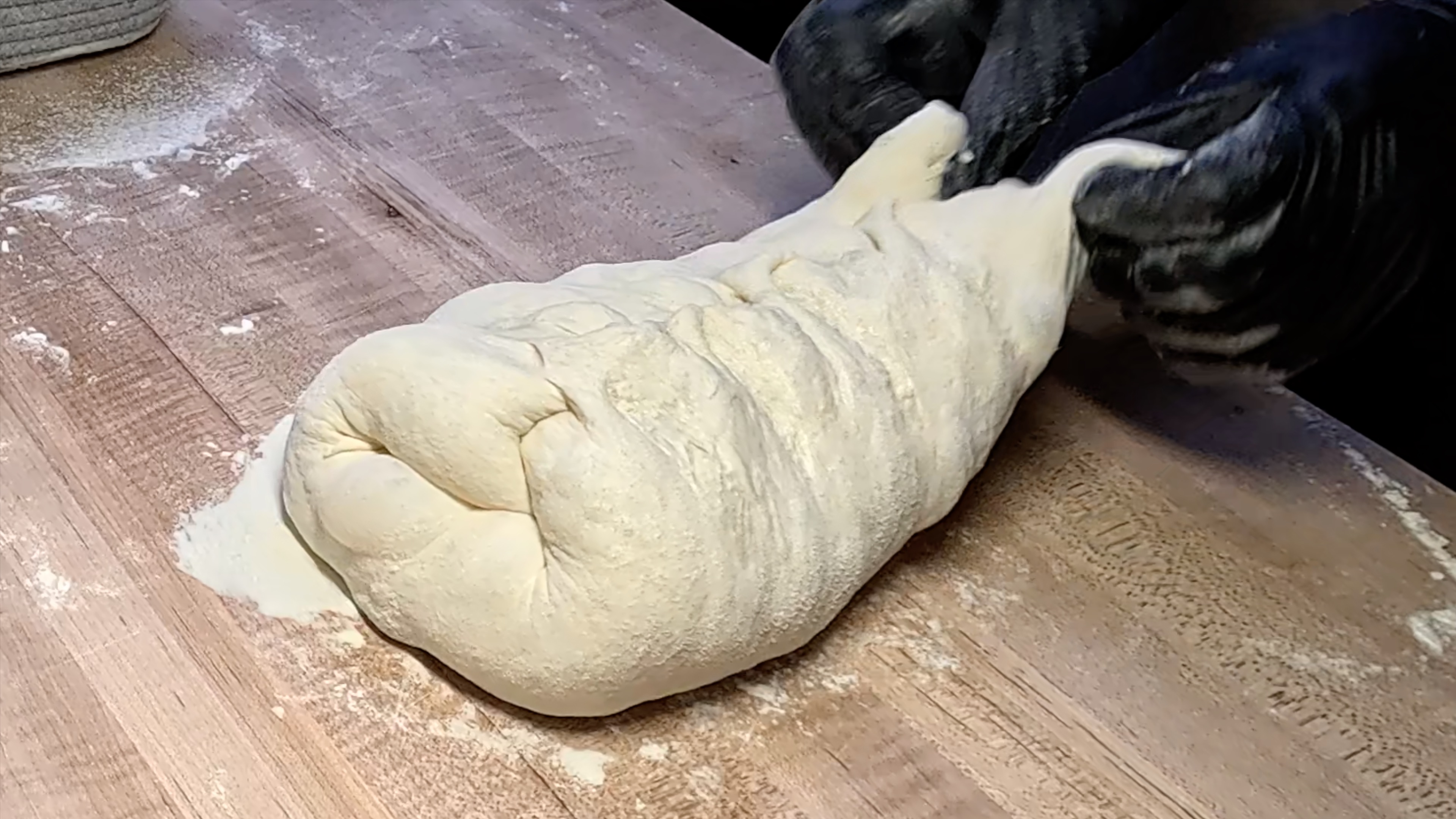
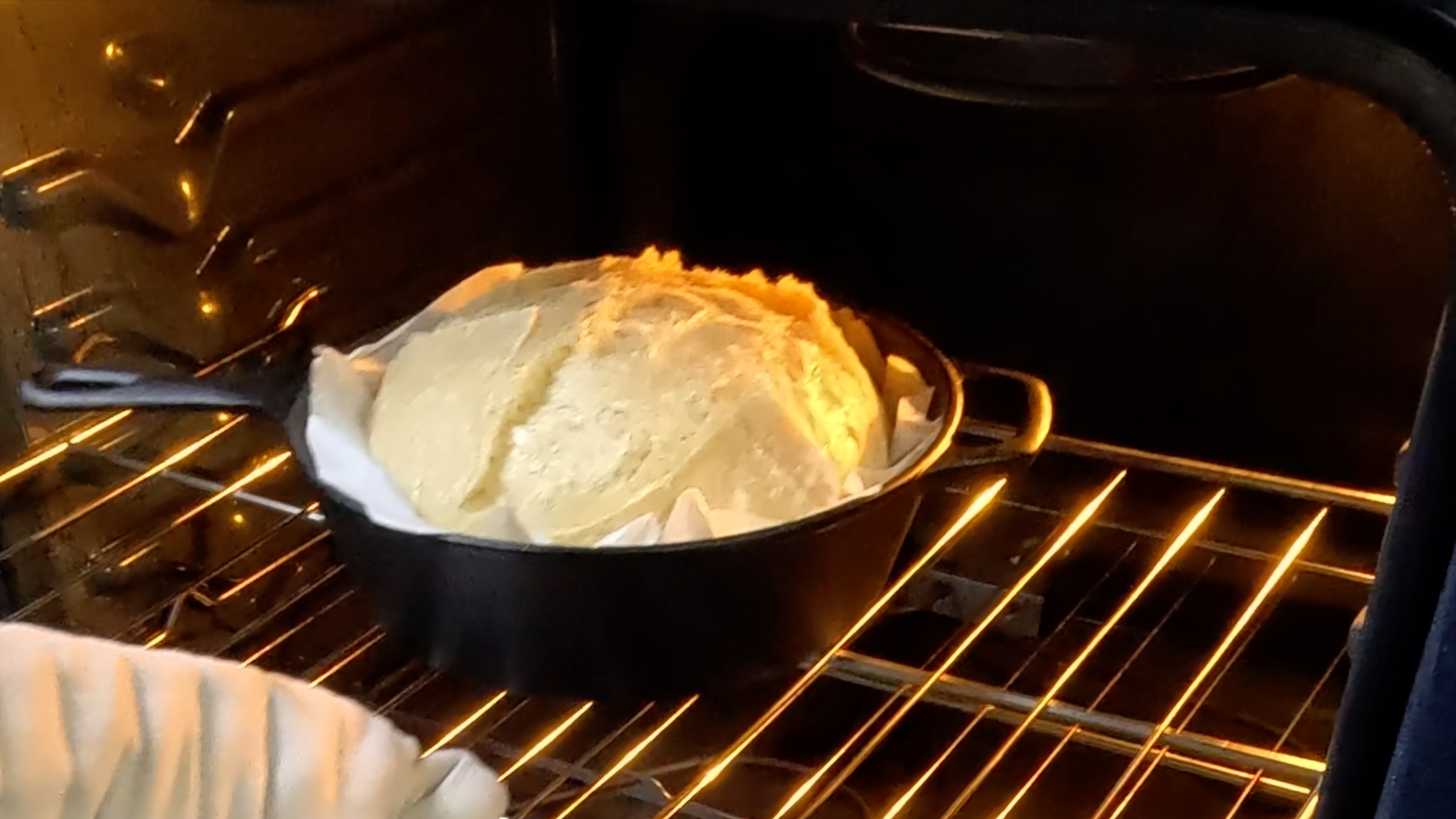
One of the best parts about extended cold proofing? You can bake directly from the refrigerator. In fact, cold dough often scores more cleanly and achieves better oven spring because the outside stays firm longer while the inside expands.
For our Rustic Sourdough Ciabatta-style Bread, I actually prefer scoring and baking straight from the fridge for those dramatic, open cuts.
Recommended Product
Glad Cling N Seal Plastic Wrap for Food, Airtight Seal, 300 Square Foot Roll (Pack of 4)
The Flavor Revelation
The first time you taste bread that's been cold-proofed for 48 hours, you'll understand why bakers get so excited about this technique. The difference isn't subtle—it's a revelation of deeper, more complex flavors that simply can't be achieved through faster methods.
That wheaty sweetness becomes more pronounced. The tangy notes develop layers and depth. The crust takes on a richer, more caramelized flavor.
Recommended Product
Glad Cling N Seal Plastic Wrap for Food, Airtight Seal, 300 Square Foot Roll (Pack of 4)
Making It Part of Your Routine
Once you master extended cold proofing, it becomes less of a special technique and more of a standard practice. I rarely bake sourdough without at least 24 hours of cold fermentation anymore—the results are simply too good to skip.
The technique also makes bread baking more sustainable for busy schedules. You can prep dough when you have time, then bake when life allows.
Recommended Product
PIZZA STONE | Rectangular Pizza Stone For Oven Baking
Your Next Loaf Awaits
Extended cold proofing isn't just a technique—it's your gateway to bakery-quality bread at home. The patience required pays dividends in flavor, texture, and that incredible satisfaction of pulling a perfectly risen, golden loaf from your own oven.
Start your next batch of dough with extended cold proofing in mind. Shape it with intention, knowing that time is working in your favor. In 24-48 hours, you'll be rewarded with some of the best bread you've ever made.
Ready to give it a try? Grab your starter and let's get that dough ready for its slow, flavor-building journey in the cold. Your taste buds (and your schedule) will thank you.
Comments
Sign in to join the conversation
Sign In