
Cold Proof vs Room Temp Proof: The Real Difference
Wondering whether to proof your sourdough in the fridge or on the counter? Here's what actually happens inside your dough.
Published on September 13, 2026
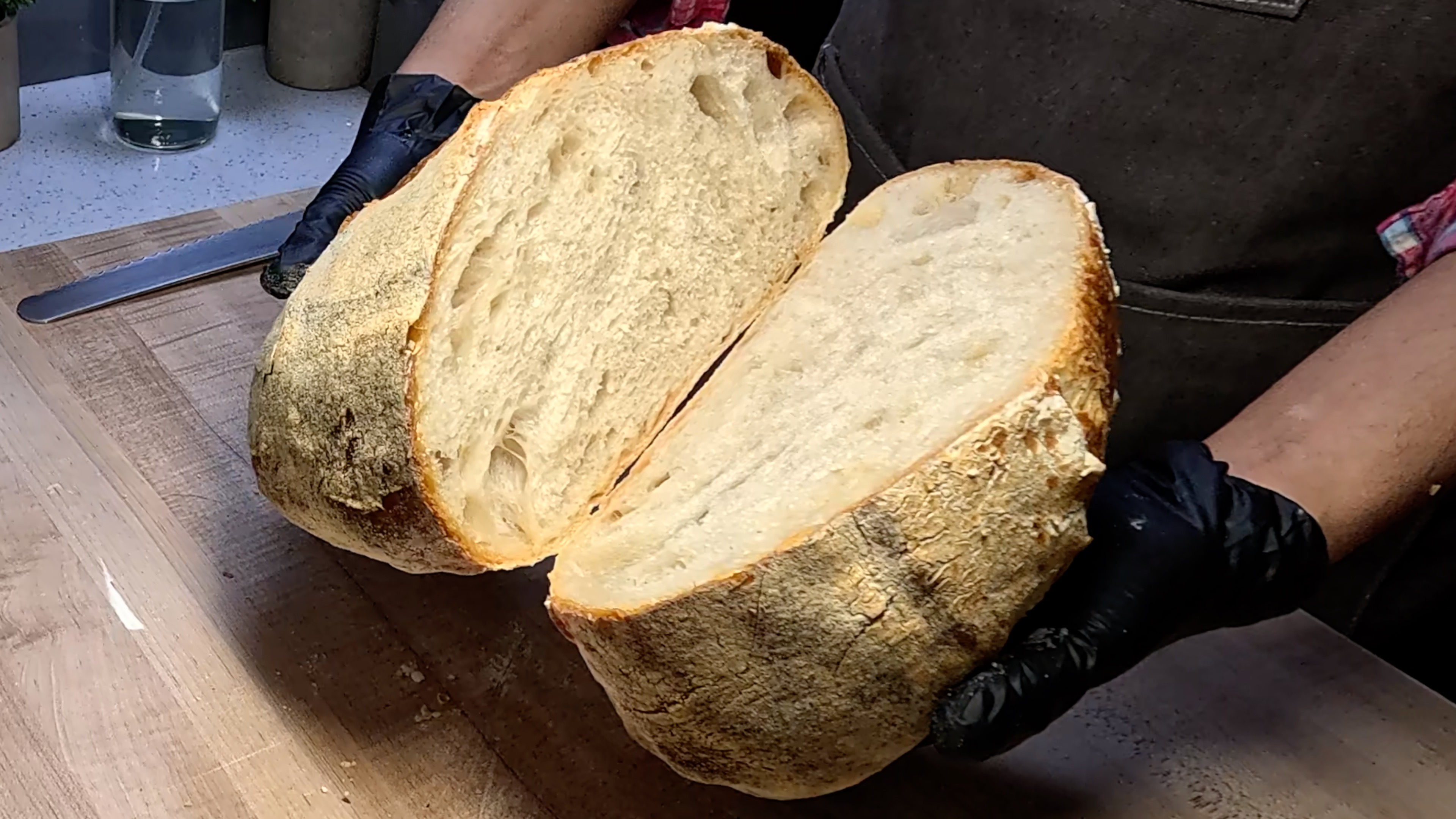
Cold Proof vs Room Temperature Proof: What's the Real Difference in Your Sourdough?
If you've spent any time in the sourdough world, you've probably come across both methods. Some recipes tell you to leave your shaped dough on the counter overnight. Others insist you tuck it into the fridge for a long, slow cold fermentation. And then there's you, standing in your kitchen at 10pm, wondering which one is actually going to give you that beautiful, golden, crackling loaf you've been dreaming about.
Good news: both methods work. But they work differently, and understanding why will make you a much more confident, intuitive baker.
Let's break it all down.
Recommended Product
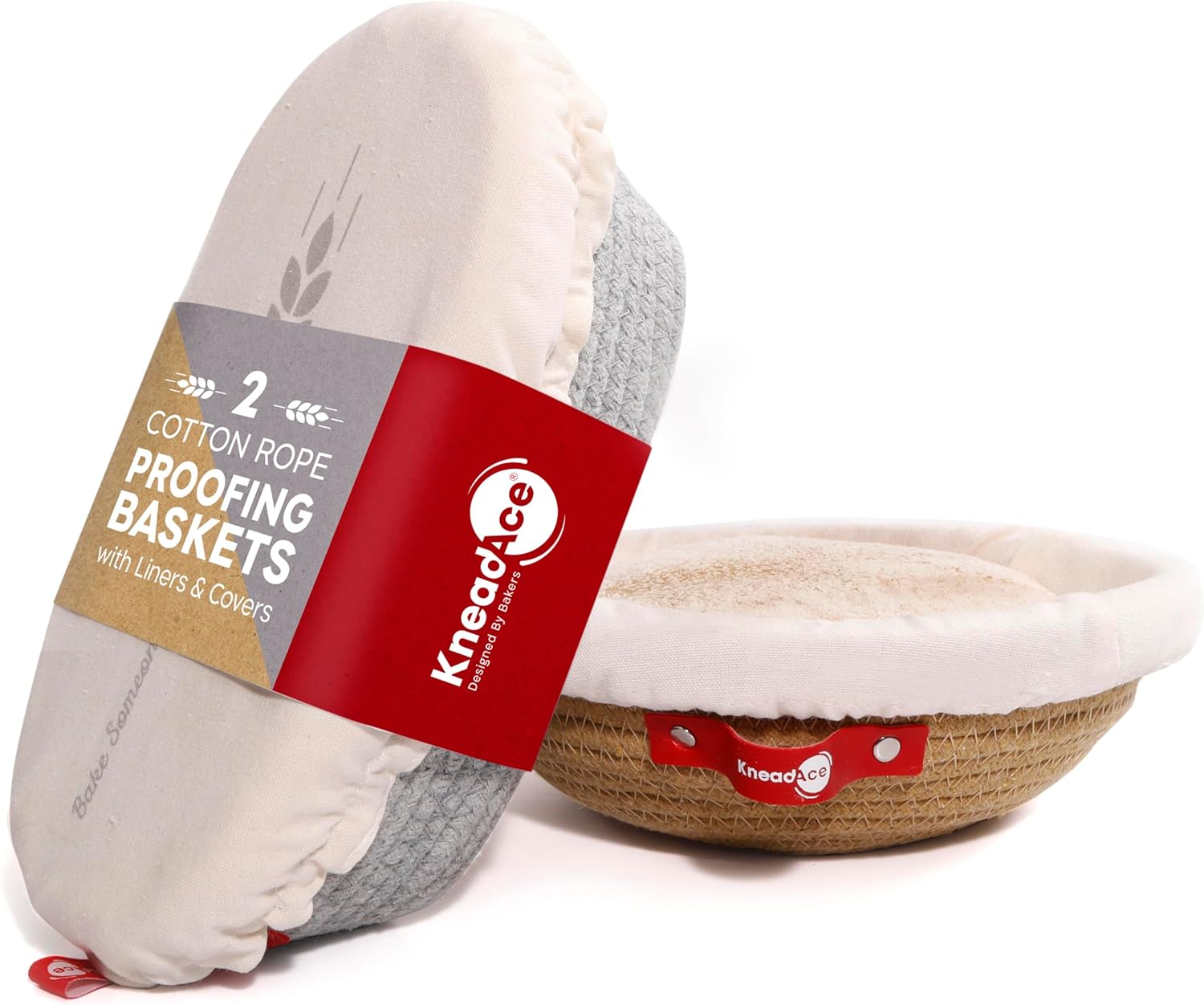
KneadAce Cotton Rope Banneton Bread Proofing Basket Set, Oval & Round Bread Baskets with Liners & Covers
What Is Proofing, Anyway?
Before we dive into the cold versus warm debate, let's get clear on what proofing actually is.
Proofing is the final rise your dough goes through after shaping and before baking. During this stage, the wild yeast in your sourdough starter continues to ferment the dough, producing carbon dioxide that inflates those gas bubbles. The bacteria keep working too, producing the organic acids that give sourdough its signature tangy flavor.
The temperature at which this happens changes everything: the speed of fermentation, the flavor development, the texture of the crumb, and even how easy your dough is to score and load into the oven.
Recommended Product
John Boos RA-Board Series Rectangular Wooden Maple Cutting Board 30”x23.25” – 2.25” Thick
Room Temperature Proofing: Fast, Warm, and Active
A room temperature proof typically takes anywhere from 1 to 4 hours, depending on how warm your kitchen is and how active your starter was when you mixed your dough.
What's happening inside the dough?
At warmer temperatures (around 75 to 80°F / 24 to 27°C), yeast activity is high. Your dough rises quickly, the fermentation is lively, and things move fast. This sounds great, but it also means the window between perfectly proofed and overproofed can be surprisingly narrow.
When room temperature proofing works well:
- Same-day bakes. If you're mixing dough in the morning and want to bake that evening, a room temperature proof fits neatly into a same-day schedule. Our Same-Day Sourdough Batard: Morning to Evening Magic is a perfect example of this approach in action.
- Warmer climates. If your kitchen runs warm year-round, your dough will naturally proof faster, making a short room temperature proof the more practical choice.
- When you want a milder flavor. A quicker proof means less time for acid production, which generally results in a slightly milder, less tangy loaf.
Tips for room temperature proofing:
- Watch your dough, not just the clock. A poke test (where a finger indent slowly springs back about halfway) is more reliable than any timer.
- Keep your dough away from drafts or direct sunlight, which can create uneven temperatures.
- If your kitchen is particularly warm (above 80°F), check your dough earlier than the recipe suggests.
Recommended Product

Sally's Organics® Empty Clear Glass Spray Bottles - Refillable 16 oz
Cold Proofing (Retarding): Slow, Steady, and Deeply Flavorful
A cold proof, also called retarding, means placing your shaped dough in the refrigerator, usually between 38 and 42°F (3 to 6°C), for anywhere from 8 to 48 hours.
This is the method used in our Classic Sourdough Bread, and for very good reason.
What's happening inside the dough?
The cold slows the yeast down dramatically, but it doesn't stop fermentation entirely. The bacteria, on the other hand, continue working at a more steady pace. This imbalance is what makes cold proofing so special: you get extended acid production without the dough overproofing from too much yeast activity.
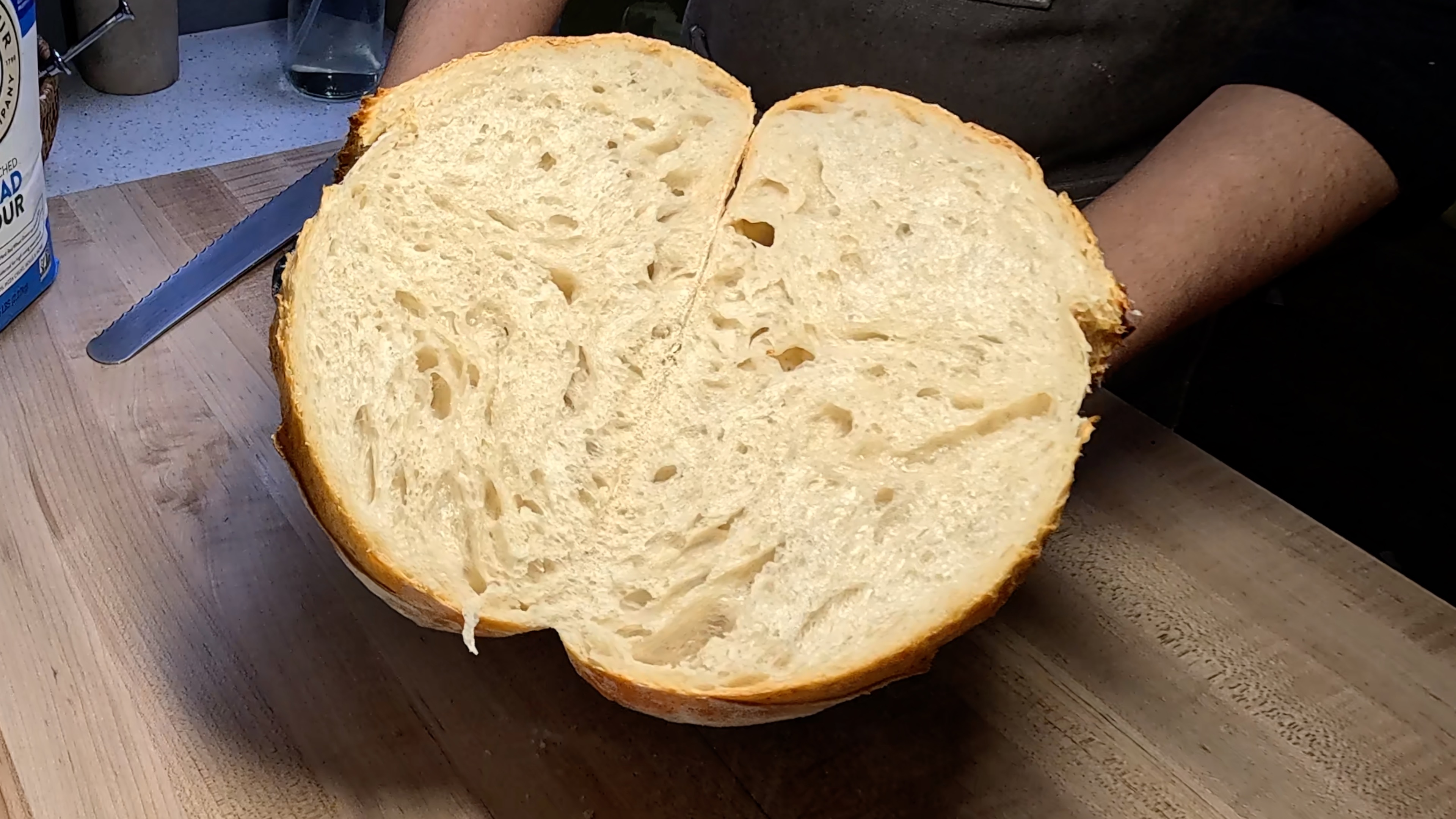
The result? A more complex, deeply tangy flavor, a tighter, more controlled crumb structure, and a dough that is significantly easier to score.
When cold proofing works well:
- Baking on your own schedule. Once that dough is in the fridge, it's patient. You can bake it at 8 hours or 36 hours, giving you a lot of flexibility.
- When you want bold, tangy flavor. That long, slow fermentation is where the real sourdough character develops.
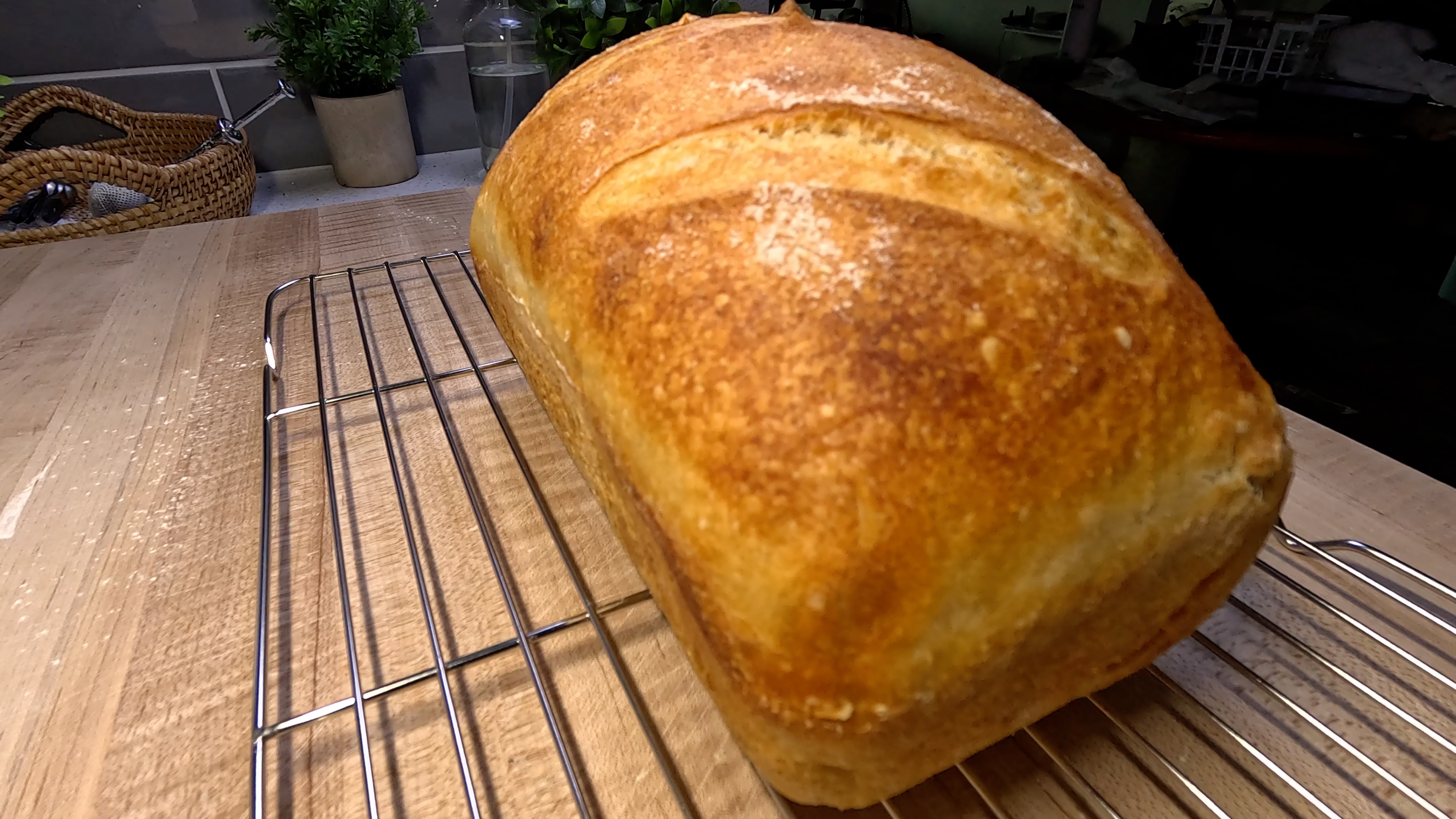
- Better oven spring. Cold dough goes from fridge to screaming hot oven, and that dramatic temperature contrast can contribute to a more impressive rise and a better ear on your score.
- Longer fermentation recipes. Our No-Knead Sourdough Baguette (80% Hydration) relies on a long cold fermentation to develop structure and flavor without any kneading at all.
Tips for cold proofing:
- Make sure your dough is well-shaped and has enough surface tension before it goes into the fridge. A loose, poorly shaped loaf won't firm up during the cold proof.
- Cover your banneton or bowl tightly with plastic wrap or a shower cap to prevent the dough surface from drying out.
- You can bake straight from the fridge, no need to bring it to room temperature first. Cold dough is actually easier to score.
- Don't panic if your cold-proofed dough doesn't look dramatically puffed. It should look subtly risen and feel pillowy but firm.
Recommended Product
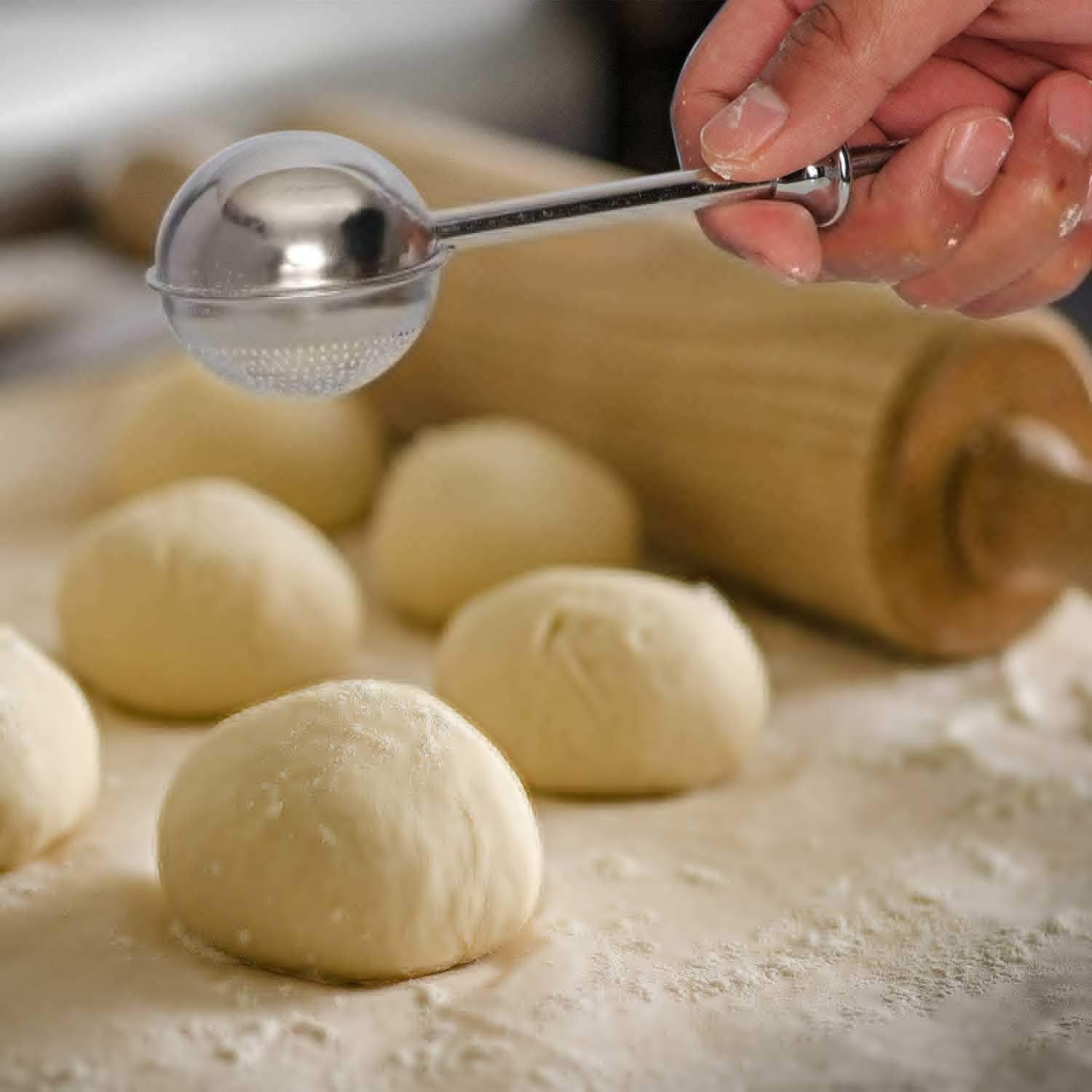
HULISEN Flour Duster for Baking, One-Handed Operation, 304 Stainless Steel Powdered Sugar Shaker Duster
Side by Side: The Key Differences
| Room Temperature Proof | Cold Proof | |
|---|---|---|
| Time | 1 to 4 hours | 8 to 48 hours |
| Flavor | Milder, less tangy | Deeper, more complex |
| Scoring | Softer, trickier to score | Firm, easier to score |
| Flexibility | Low (narrow window) | High (wide window) |
| Oven Spring | Good | Often excellent |
| Best For | Same-day baking | Overnight or weekend baking |
Recommended Product
HULISEN Flour Duster for Baking, One-Handed Operation, 304 Stainless Steel Powdered Sugar Shaker Duster
Can You Do Both?
Absolutely, yes. In fact, many bakers use a hybrid approach: a short room temperature rest after shaping (30 minutes to an hour) to let the dough settle and start rising, followed by a longer cold proof in the fridge. This gives you some of the flexibility and flavor development of cold proofing, with a head start on fermentation from the initial warm rest.
Experimenting with this combination is a great way to figure out what works best for your kitchen, your starter, and your schedule.
So Which Method Should You Choose?
Honestly? It depends on your life.
If you want to bake on the same day and don't mind watching your dough closely, a room temperature proof is your friend. If you want a hands-off process, deeper flavor, and the freedom to bake whenever it suits you, cold proofing is the way to go.
When you're just getting started, many bakers find cold proofing more forgiving because that extended fridge time gives you a much wider window before overproofing becomes a concern. If you're new to sourdough, it might be worth starting there.
Recommended Product
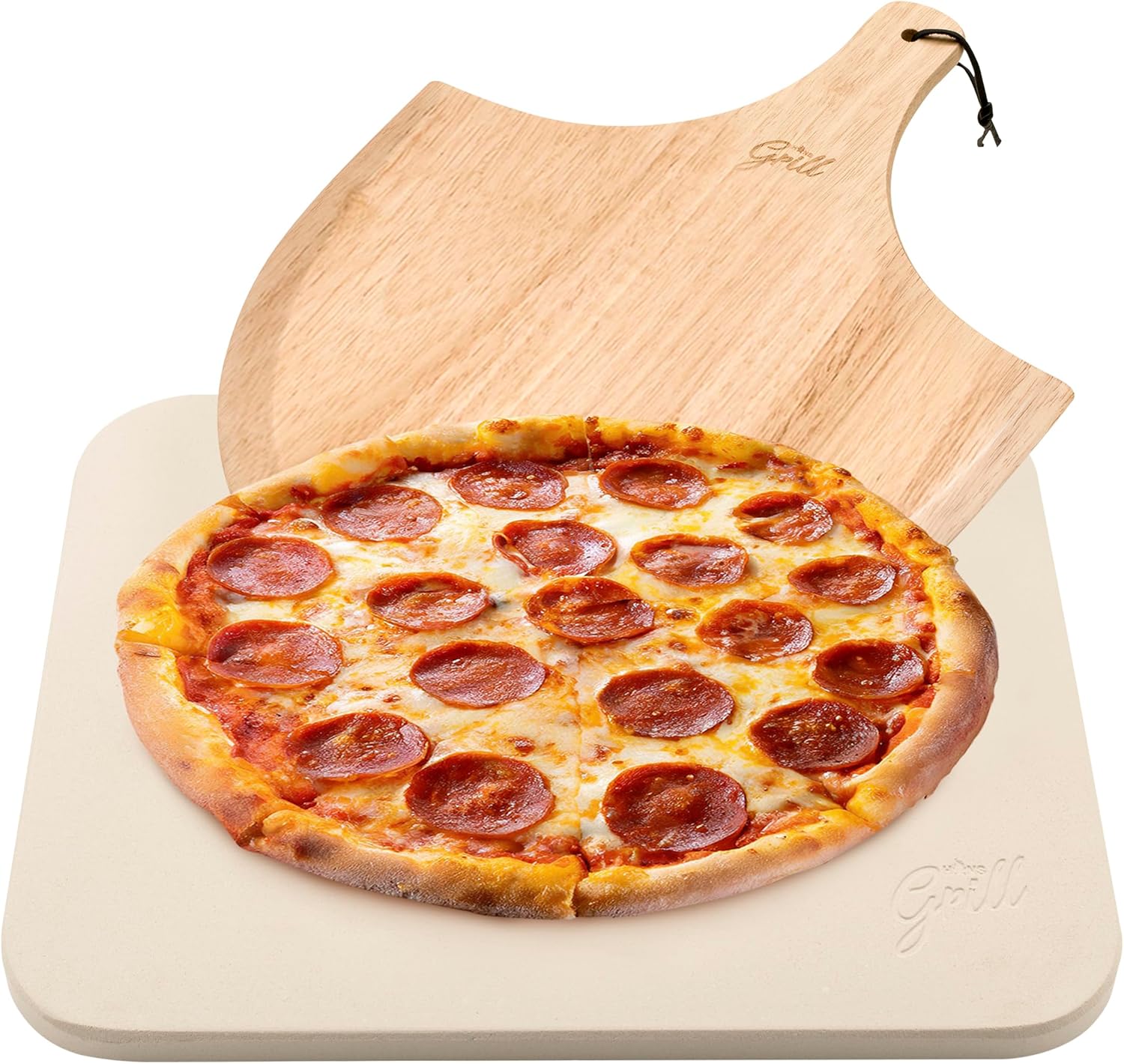
PIZZA STONE | Rectangular Pizza Stone For Oven Baking
Ready to Put This Into Practice?
Now that you know what's really happening inside that dough, it's time to bake. Try both methods back to back with the same recipe and taste the difference for yourself. That kind of hands-on experimentation is where real baking confidence comes from.
If you're looking for a great place to start, the Classic Sourdough Boule is a wonderful recipe to practice your proofing skills on. It's classic, reliable, and produces that gorgeous golden crust and open crumb that makes all the effort so deeply worth it.
You've got this. Happy baking!
Comments
Sign in to join the conversation
Sign In