Why Sourdough Is the Healthiest Bread You Can Bake
Sourdough isn't just delicious; it's genuinely better for you. Here's the science behind why this ancient bread beats the rest.
Published on August 7, 2026
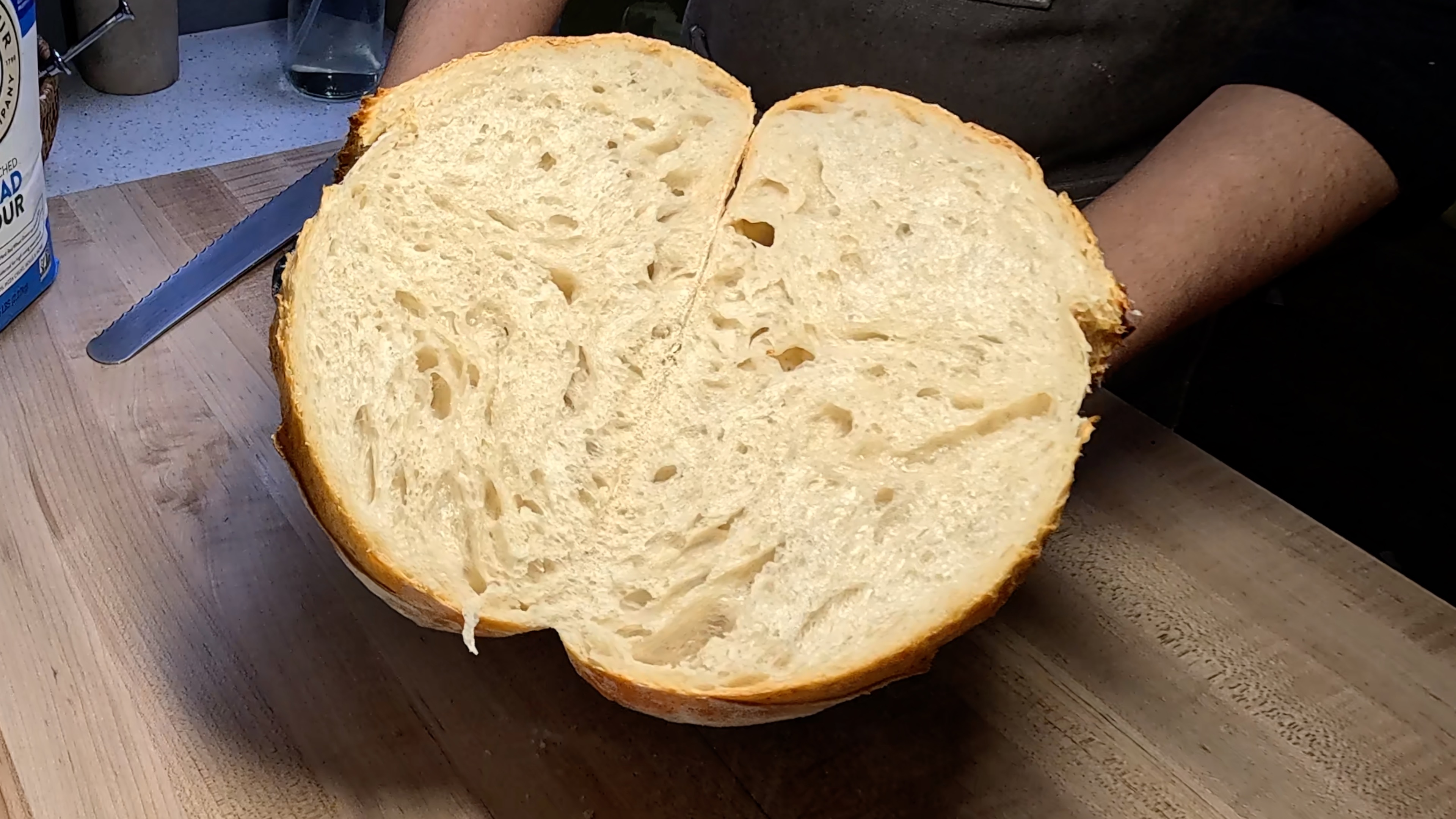
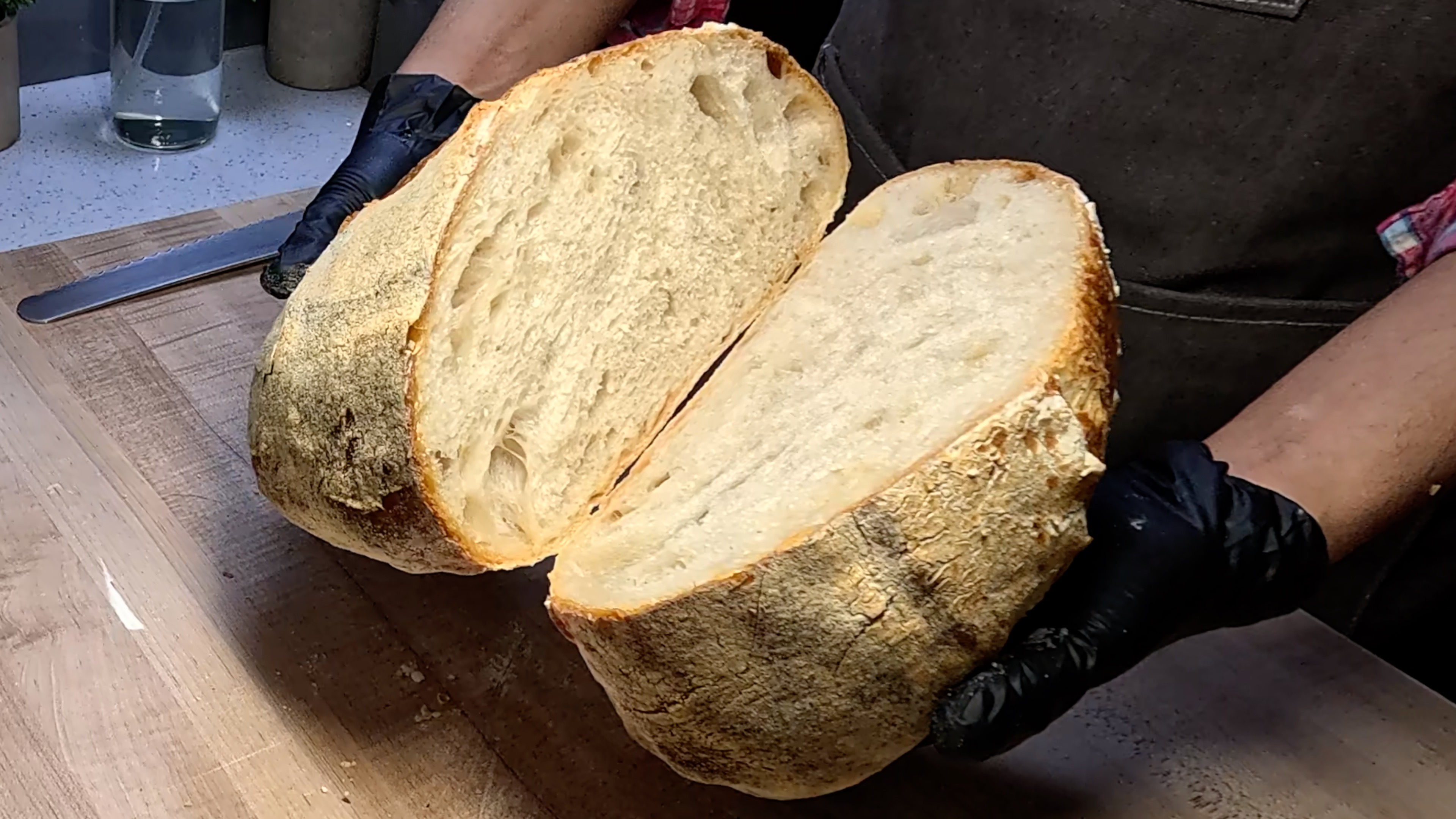
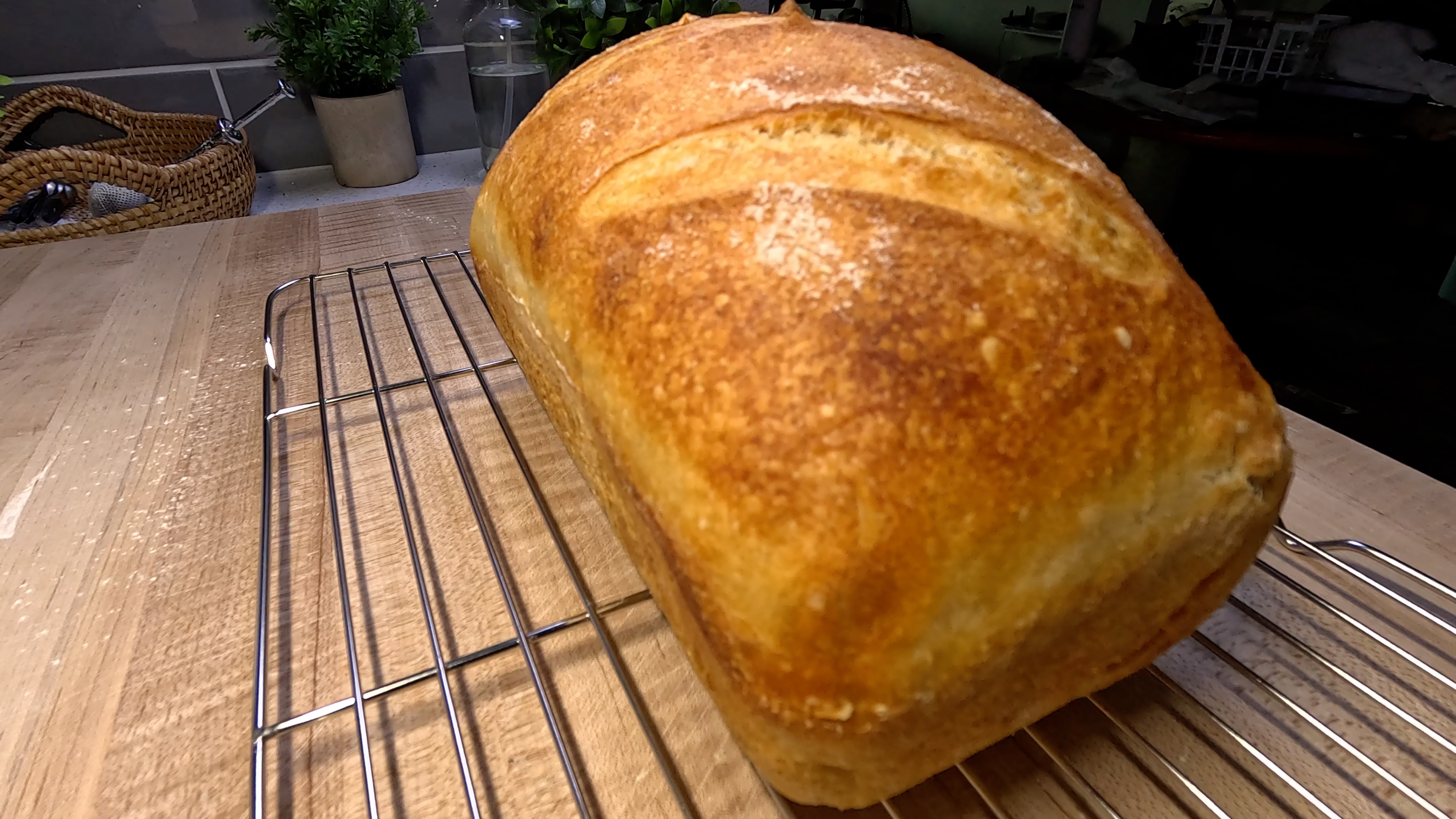
If you've ever pulled a golden, crackling loaf of sourdough from the oven, you already know it's something special. That deep, tangy aroma. The shattering crust. The chewy, open crumb that begs to be torn apart.
But here's the thing - sourdough isn't just delicious. It's genuinely, measurably better for you than almost any bread you can buy at the store or bake with commercial yeast.
And the best part? You can make it right in your own kitchen.
Let's dig into the science and the magic behind why sourdough earns its place as the healthiest bread a home baker can make.
Recommended Product
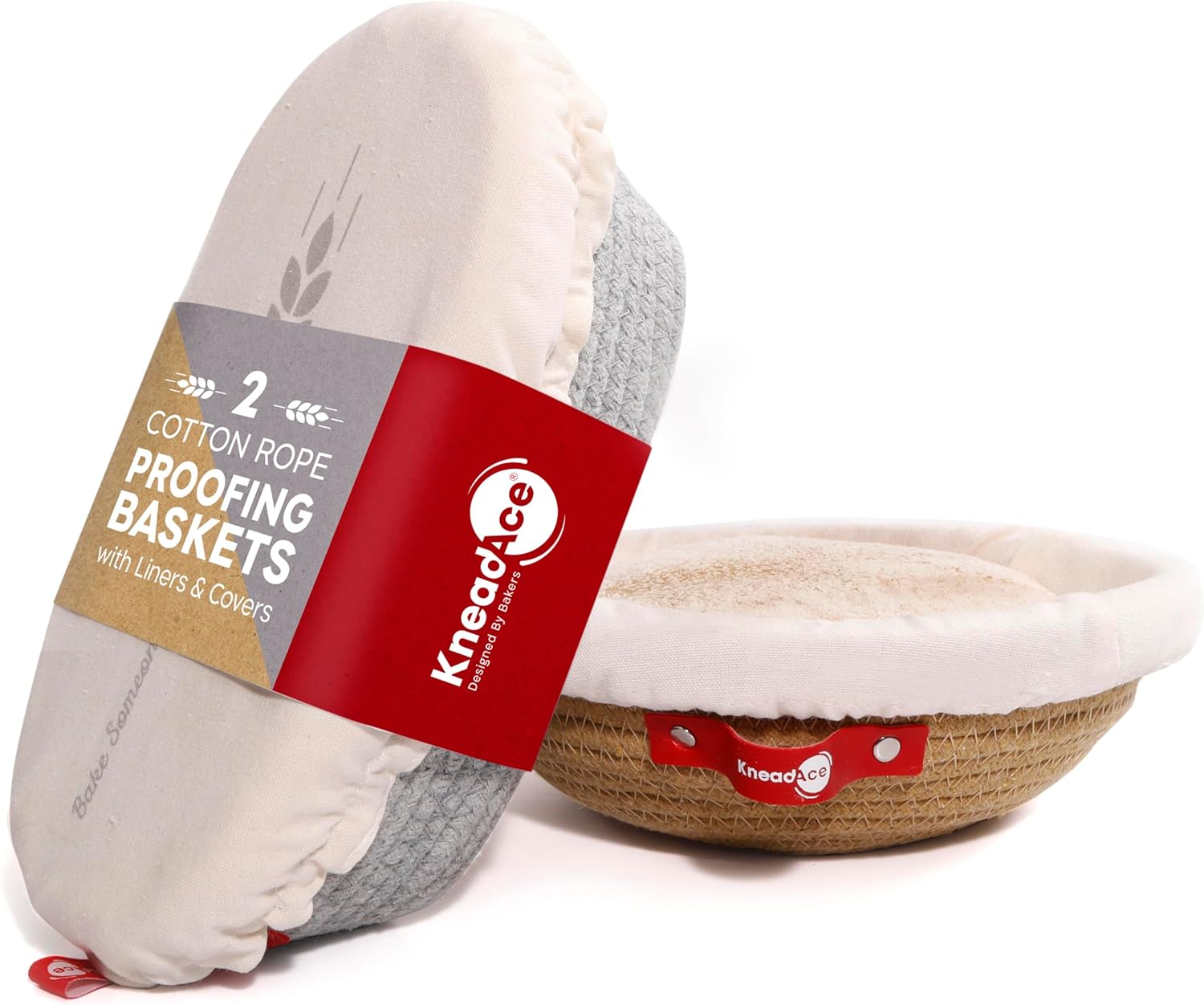
KneadAce Cotton Rope Banneton Bread Proofing Basket Set, Oval & Round Bread Baskets with Liners & Covers
It All Starts with Fermentation
The secret to sourdough's health benefits isn't a fancy ingredient or a complicated technique. It's time and fermentation.
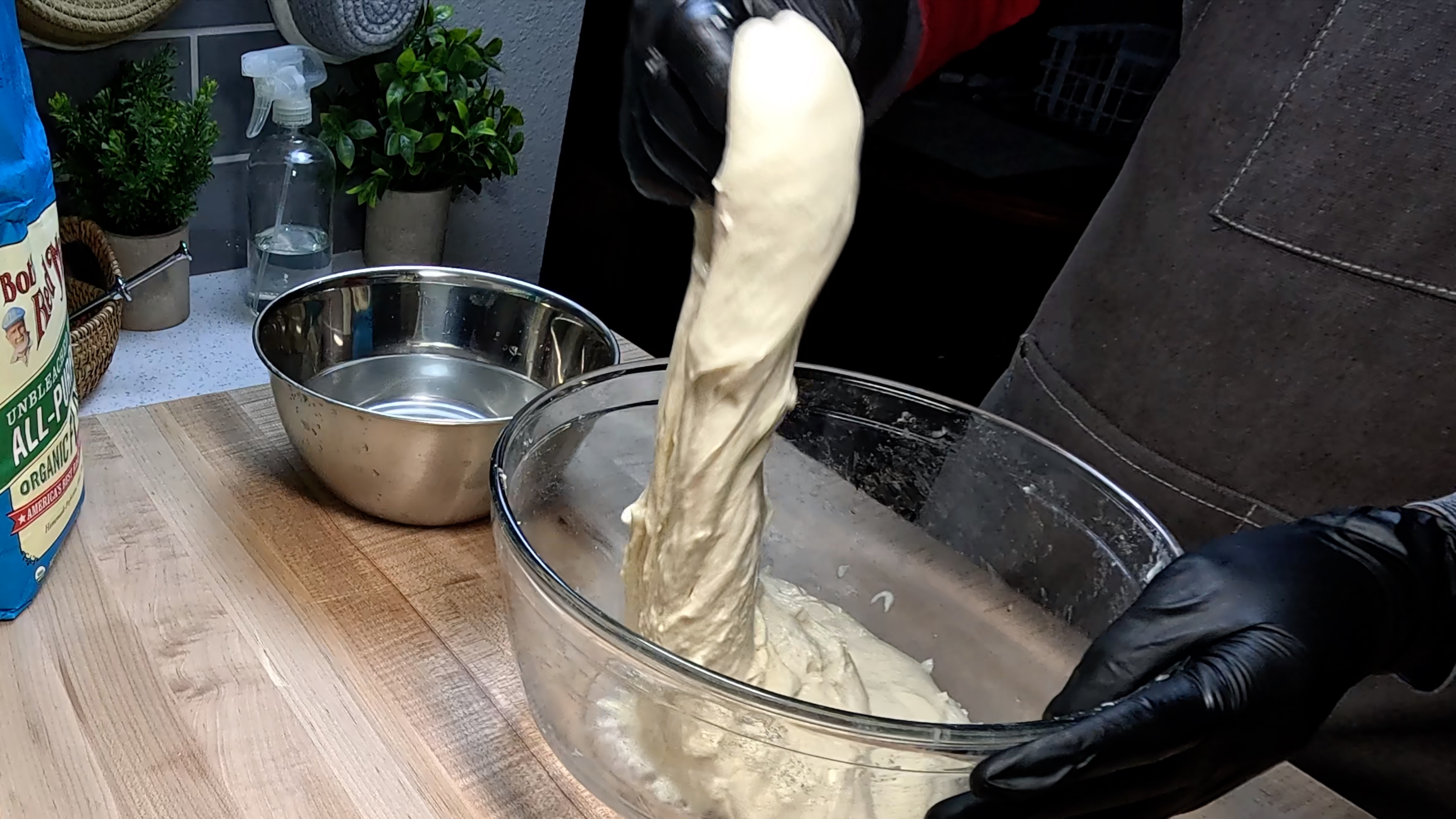
When you mix flour, water, and a live sourdough starter, you're kickstarting a beautiful biological process. Wild yeast and beneficial bacteria - primarily Lactobacillus strains - get to work consuming the sugars in your dough. This long, slow fermentation is what separates sourdough from every other bread on the shelf.
And during that process, something remarkable happens to the bread itself.
Recommended Product
John Boos RA-Board Series Rectangular Wooden Maple Cutting Board 30”x23.25” – 2.25” Thick
Sourdough Is Easier on Your Digestive System
One of the biggest complaints people have about modern bread is that it leaves them feeling bloated, sluggish, or uncomfortable. Sound familiar?
Here's why sourdough is different:
The bacteria partially break down gluten. During fermentation, the lactic acid bacteria in your starter start to pre-digest the gluten proteins in the flour. That means your gut has to do less work. Many people who struggle with gluten sensitivity (not celiac disease) find they can enjoy sourdough without the discomfort they experience with conventional bread.
Fermentation reduces FODMAPs. FODMAPs are types of carbohydrates that can cause digestive distress in sensitive individuals. Studies have shown that the long fermentation process in sourdough significantly reduces FODMAP content, making it far more gut-friendly.
It feeds your gut microbiome. The organic acids produced during fermentation act as prebiotics, helping to nourish the beneficial bacteria in your digestive system.
Practical Tip: To maximize these digestive benefits, aim for a long, cold fermentation. Letting your shaped dough rest in the refrigerator overnight - or even up to 48 hours - gives the bacteria more time to work their magic. Our Classic Sourdough Bread uses exactly this two-day process for the deepest flavor and best digestibility.
Recommended Product
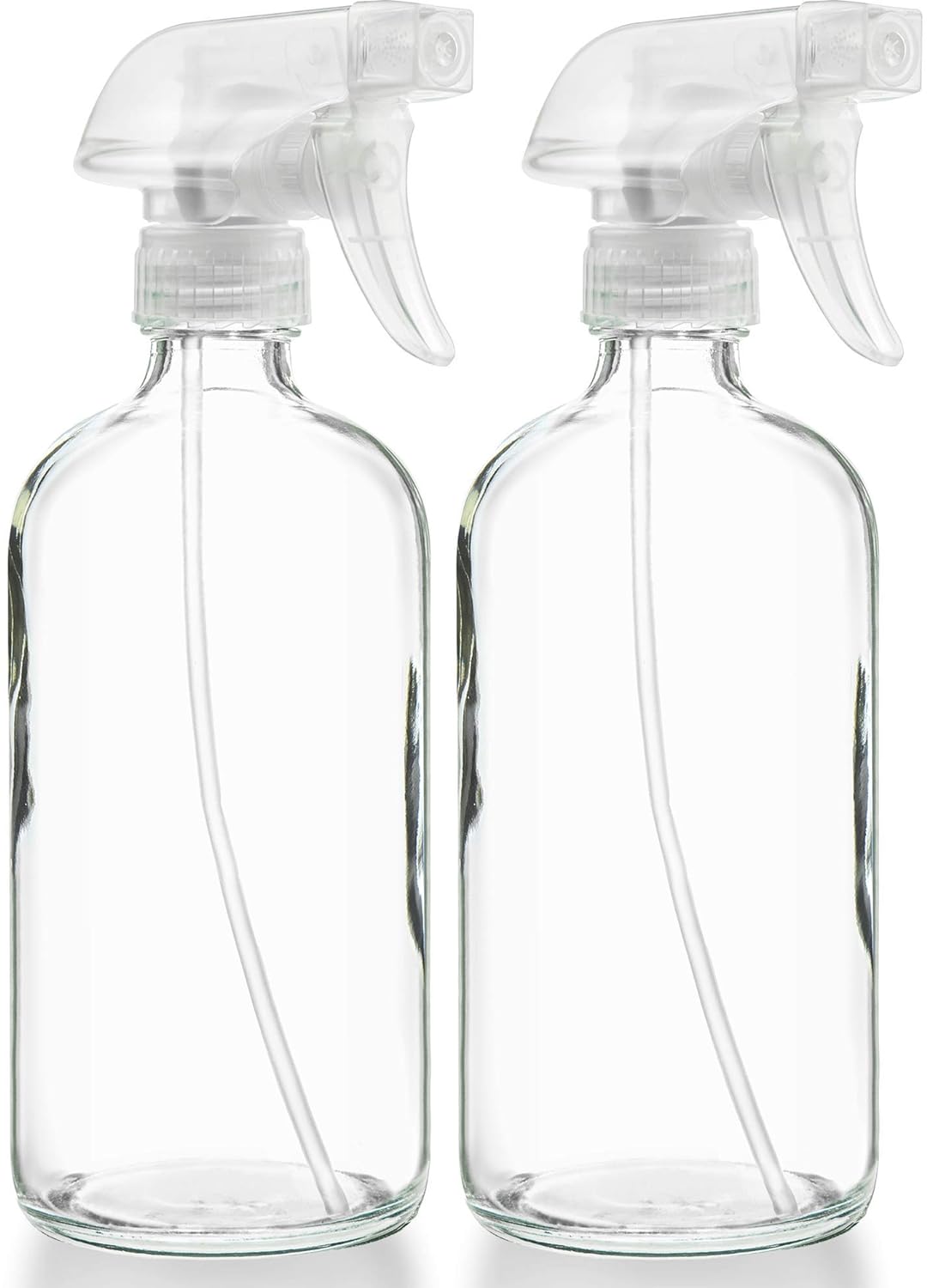
Sally's Organics® Empty Clear Glass Spray Bottles - Refillable 16 oz
Better Blood Sugar Response
White bread is notorious for causing blood sugar spikes. You eat a slice, your blood sugar shoots up, and an hour later you're hungry again. That cycle is hard on your body and your energy levels.
Sourdough behaves differently - and the research backs this up.
The fermentation process lowers the glycemic index (GI) of the bread. The lactic and acetic acids produced by the bacteria slow down the rate at which starch is converted to glucose in your bloodstream. That means a more gradual, steady rise in blood sugar rather than a sharp spike.
One study even found that sourdough bread produced a lower blood sugar response than the same flour made into conventional bread with commercial yeast. The process itself is the variable - not just the ingredients.
For everyday baking, this means a slice of sourdough toast in the morning is a genuinely smarter choice than its store-bought counterpart.
Recommended Product
Sally's Organics® Empty Clear Glass Spray Bottles - Refillable 16 oz
More Nutrients Your Body Can Actually Absorb
Here's something that surprises a lot of people: eating nutrients and absorbing nutrients are two very different things.
Wheat contains a naturally occurring compound called phytic acid (sometimes called an "antinutrient"). Phytic acid binds to minerals like iron, zinc, and magnesium, making it harder for your body to absorb them - even if those minerals are technically present in the bread.
Fermentation to the rescue again.
The acidic environment created during sourdough fermentation activates an enzyme called phytase, which breaks down phytic acid. The result? A loaf of sourdough offers significantly better mineral bioavailability than bread made with quick-rise commercial yeast.
You're not just eating more nutritious bread - you're actually absorbing more of what's in it.
Practical Tip: Using whole grain or whole wheat flour - even just a portion — amplifies this benefit. Whole grains contain more phytic acid to start with, but they also contain more nutrients. Sourdough fermentation unlocks them beautifully.
Recommended Product
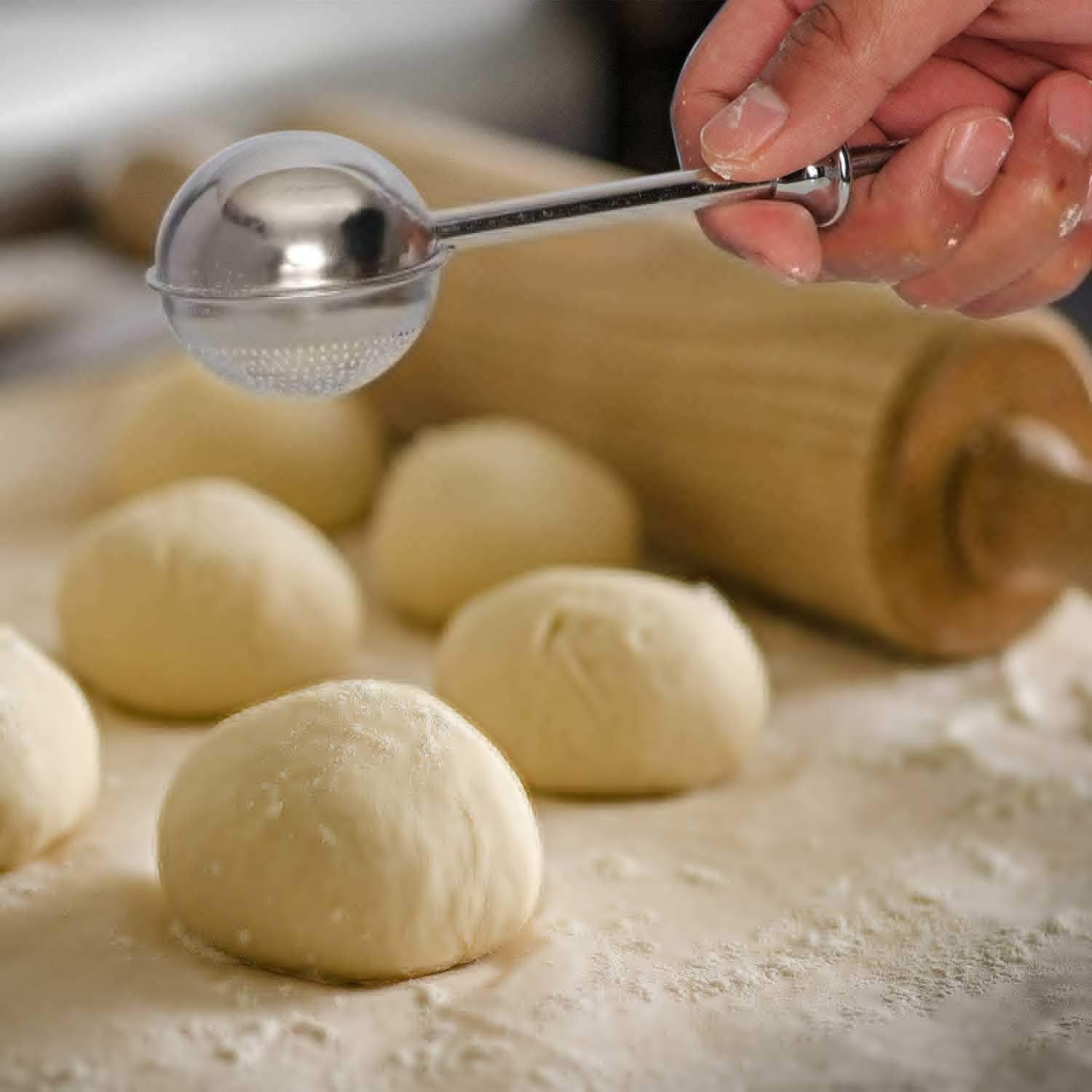
HULISEN Flour Duster for Baking, One-Handed Operation, 304 Stainless Steel Powdered Sugar Shaker Duster
You Know Exactly What's In It
Flip over a loaf of store-bought bread and read the ingredient list. Dough conditioners, preservatives, emulsifiers, added sugars, natural flavors... the list goes on.
When you bake sourdough at home, your ingredient list is refreshingly short: flour, water, salt, and a live starter.
That's it. No additives. No mystery ingredients. No preservatives needed - because the organic acids produced during fermentation naturally extend the shelf life of your bread.
This simplicity isn't a compromise. It's the point. Real bread, made with real ingredients, the way humans have been doing it for thousands of years.
If you're new to sourdough and the idea of a two-day bake feels intimidating, don't worry - there are easier entry points. Our No-Knead Sourdough Bread (No Dutch Oven) is a beginner-friendly recipe that delivers all these health benefits with minimal hands-on effort. Just mix, wait, and bake.
Recommended Product
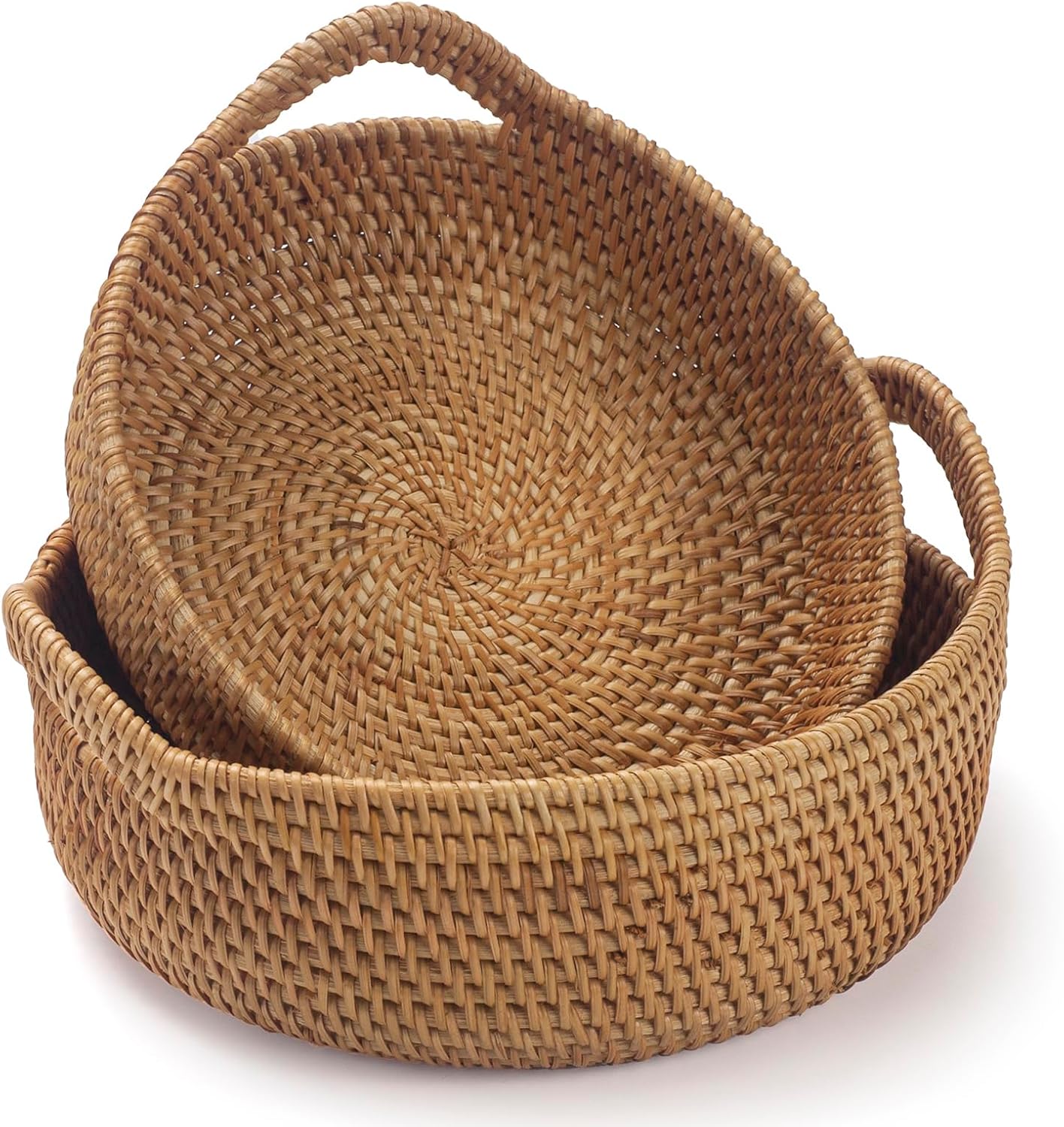
Rattan Storage Basket, Hand Woven Fruit Basket with Handles
The Mental Health Bonus Nobody Talks About
Okay, this one isn't in a peer-reviewed journal - but it's real.
There's something deeply grounding about making bread with your hands. Feeding your starter, watching the dough rise, scoring a beautiful pattern across the surface before it goes into the oven - these small rituals connect you to a slower, more intentional way of living.
Many bakers describe their sourdough practice as meditative. A counterbalance to screens and notifications and the relentless pace of modern life.
And when you pull that deeply golden, crackle-crusted loaf from the oven? That sense of accomplishment is genuinely good for your soul.
Recommended Product
Rattan Storage Basket, Hand Woven Fruit Basket with Handles
Getting Started: Your First Healthy Loaf
Ready to put this into practice? Here are a few simple ways to start:
- Build or source an active starter. A healthy, bubbly starter is the foundation of every benefit we've talked about. Feed it regularly and give it time.
- Embrace the long fermentation. Don't rush it. The longer the ferment (within reason), the more digestible and nutritious your bread becomes.
- Start simple. You don't need fancy equipment or advanced technique. Our No-Knead Sourdough Baguette is proof that incredible, artisan-quality bread is completely achievable for beginners - no kneading, no Dutch oven, just time doing the heavy lifting.
- Experiment with flour. Try incorporating whole wheat, rye, or spelt into your bakes for even more nutritional depth.
Recommended Product
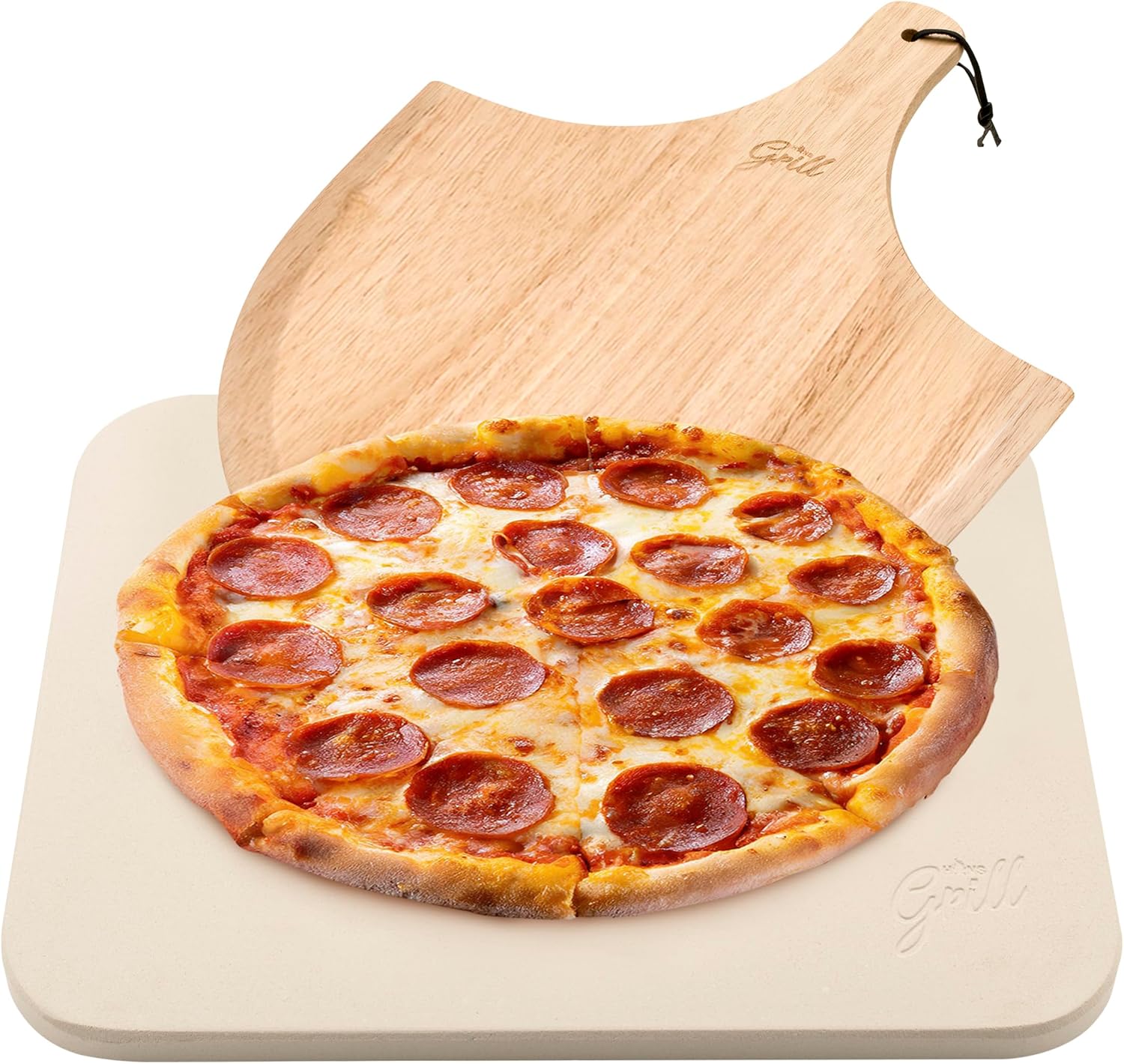
PIZZA STONE | Rectangular Pizza Stone For Oven Baking
The Bottom Line
Sourdough isn't a trend or a food fad. It's the original bread — and thousands of years of human baking wisdom turned out to be onto something.
Better digestion. A gentler blood sugar response. More bioavailable nutrients. Clean, simple ingredients. And the quiet joy of making something real with your own hands.
That's a pretty compelling reason to keep your starter fed and your oven warm.
So go bake something. Your gut - and your soul - will thank you.
Comments
Sign in to join the conversation
Sign In