
Inoculation in Sourdough: What It Is and Why It Matters
Learn what inoculation means in sourdough baking, how to find your ideal rate, and why this one number can transform your loaves.
Published on November 13, 2026
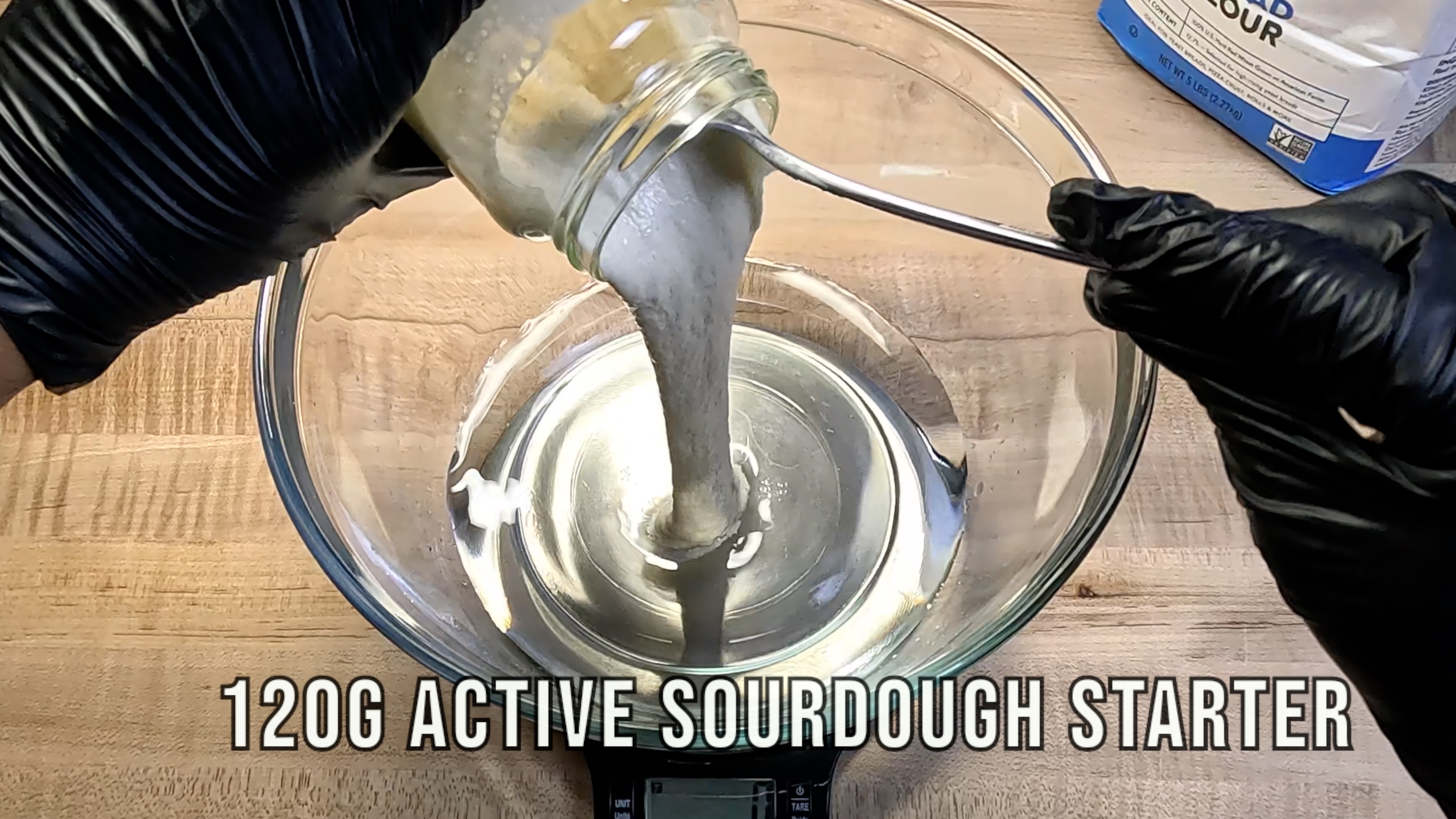
If you have been baking sourdough for a little while, you have probably come across the word inoculation and wondered what on earth it has to do with making bread. It sounds very scientific, maybe even a little intimidating. But I promise you, once you understand what it means, it is going to feel like a lightbulb moment.
This is one of those concepts that quietly explains so much about why your dough behaves the way it does. And once it clicks, you will have so much more control over your bakes.
Recommended Product
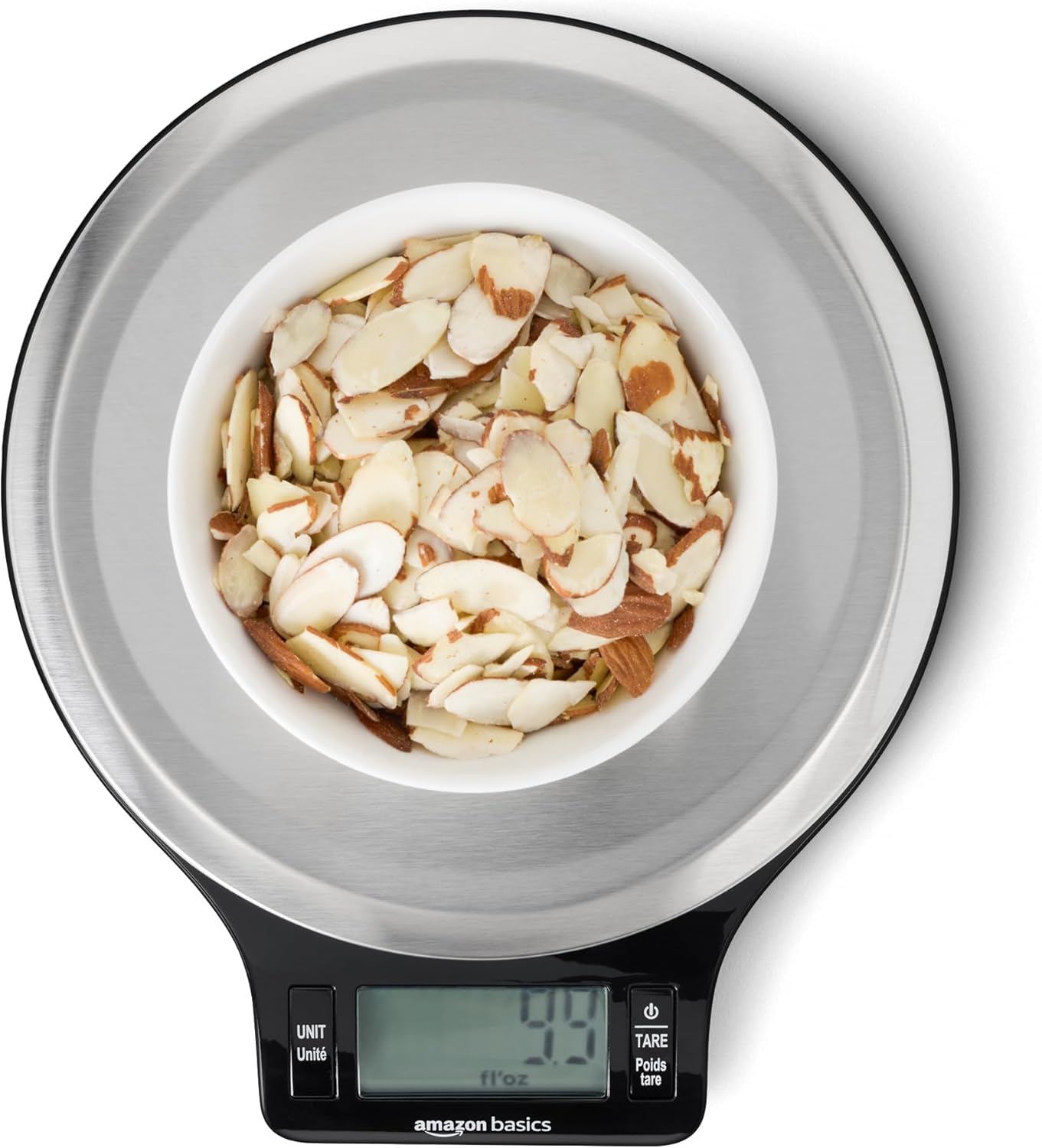
Amazon Basics Digital Kitchen Scale with LCD Display
So, What Does Inoculation Actually Mean?
In sourdough baking, inoculation refers to the percentage of sourdough starter you add to your dough relative to the total flour weight.
That is it. Simple as that.
For example, if you are using 400g of flour in your recipe and you add 80g of starter, your inoculation rate is 20%. If you add 160g of starter to that same amount of flour, your inoculation rate is 40%.
The formula looks like this:
Inoculation % = (Weight of Starter ÷ Weight of Flour) x 100
You might also hear this referred to as the starter percentage or levain percentage, and they all mean the same thing. Bakers love their terminology!
Recommended Product

AFUN Chef Aprons for Men Women with Oversized Pockets
Why Does the Inoculation Rate Matter?
Here is where it gets really interesting. The amount of starter you add directly affects how quickly your dough ferments, which in turn affects the flavor, texture, and timing of your bread.
Think of your starter as a little team of workers (wild yeast and good bacteria). The more workers you add to the dough, the faster the job gets done. So:
- A higher inoculation rate means faster fermentation. Your dough will be ready sooner, and your bread will have a milder, less tangy flavor.
- A lower inoculation rate means slower fermentation. Your dough takes longer to develop, and you get a deeper, more complex, tangier flavor.
This is why inoculation is such a powerful tool. It is one of the main levers you can pull to control both your schedule and your flavor.
Recommended Product
AFUN Chef Aprons for Men Women with Oversized Pockets
What Inoculation Rate Should You Use?
Most beginner and intermediate recipes fall somewhere between 15% and 25% inoculation, and that is a wonderful place to start. It gives your dough enough time to develop good flavor without fermenting so slowly that you are waiting forever.
Here is a rough guide to help you decide:
Lower Inoculation (10% to 15%)
- Best for cold environments or cold fermentation in the refrigerator
- Produces a more sour, complex flavor
- Great if you want to bake the next day or even the day after
- Suits a slower, more relaxed baking schedule
Medium Inoculation (20% to 25%)
- The sweet spot for most home bakers
- Reliable timing in a typical home kitchen
- Balanced flavor, not too mild, not too tangy
- A great starting point if you are still learning your starter and your kitchen
Higher Inoculation (30% to 50%)
- Speeds things up considerably
- Works well on same-day baking schedules
- Results in a milder, less acidic loaf
- Useful in cooler kitchens where fermentation tends to be sluggish
If you love the idea of a same-day bake, check out our Same-Day Sourdough Batard: Morning to Evening Magic. That recipe is designed with timing in mind and is a wonderful way to see how a higher inoculation rate works in real life.
Recommended Product
PIZZA STONE | Rectangular Pizza Stone For Oven Baking
Other Factors That Work Alongside Inoculation
Inoculation never works in isolation. It is always in conversation with the other conditions in your kitchen. Here are the big ones to keep in mind:
Temperature: A warm kitchen (around 75 to 78°F or 24 to 26°C) speeds fermentation dramatically. If your kitchen runs warm, you may want to lower your inoculation rate to slow things down. If your kitchen is cool, a higher inoculation rate can help.
Starter activity: A young or sluggish starter will ferment more slowly regardless of how much you add. Make sure your starter is bubbly, active, and at or close to its peak before you mix your dough.
Hydration: Higher hydration doughs tend to ferment faster because water makes the environment more active. Keep this in mind when you are adjusting other variables.
Flour type: Whole grain flours like whole wheat or rye ferment much faster than white flour. If your recipe includes a portion of whole grain flour, your dough will move more quickly than a plain white loaf.
Recommended Product
PIZZA STONE | Rectangular Pizza Stone For Oven Baking
A Practical Example to Make It Real
Let us say you bake our Classic Sourdough Boule regularly and you keep ending up with an over-fermented, slightly flat dough. Before you change anything else, look at your inoculation rate and your kitchen temperature. Chances are, things are moving faster than the recipe expects.
Try dropping your starter percentage by 5% and see what happens. Small adjustments, one at a time, will tell you so much about how your dough responds.
On the flip side, if your dough feels sluggish and is not rising the way it should during bulk fermentation, consider bumping up your inoculation rate slightly or making sure your starter is well and truly active before you begin.
Recommended Product
Why Didn't My Sourdough Work?
PDF $15 · Hardcover $39.99
Tips for Getting Inoculation Right
- Always weigh your ingredients. Volume measurements are not reliable enough when it comes to sourdough. A kitchen scale is your best friend here.
- Keep a baking journal. Note your inoculation rate, your kitchen temperature, and how your dough behaved. Over time, patterns will emerge and you will learn your kitchen like the back of your hand.
- Start with the recipe as written. Before you start adjusting inoculation, make a recipe at least once or twice following the instructions exactly. This gives you a baseline to work from.
- Change one thing at a time. If you adjust your inoculation rate, do not change your flour or your hydration in the same bake. You will not know what made the difference.
Recommended Product
Why Didn't My Sourdough Work?
PDF $15 · Hardcover $39.99
Ready to Put This Into Practice?
If you are just getting started and want a forgiving, beginner-friendly recipe to practice with, our No-Knead Sourdough Bread (No Dutch Oven) is a beautiful place to begin. It is low-fuss, uses simple equipment, and gives you plenty of room to observe how your dough develops without feeling overwhelmed.
Recommended Product
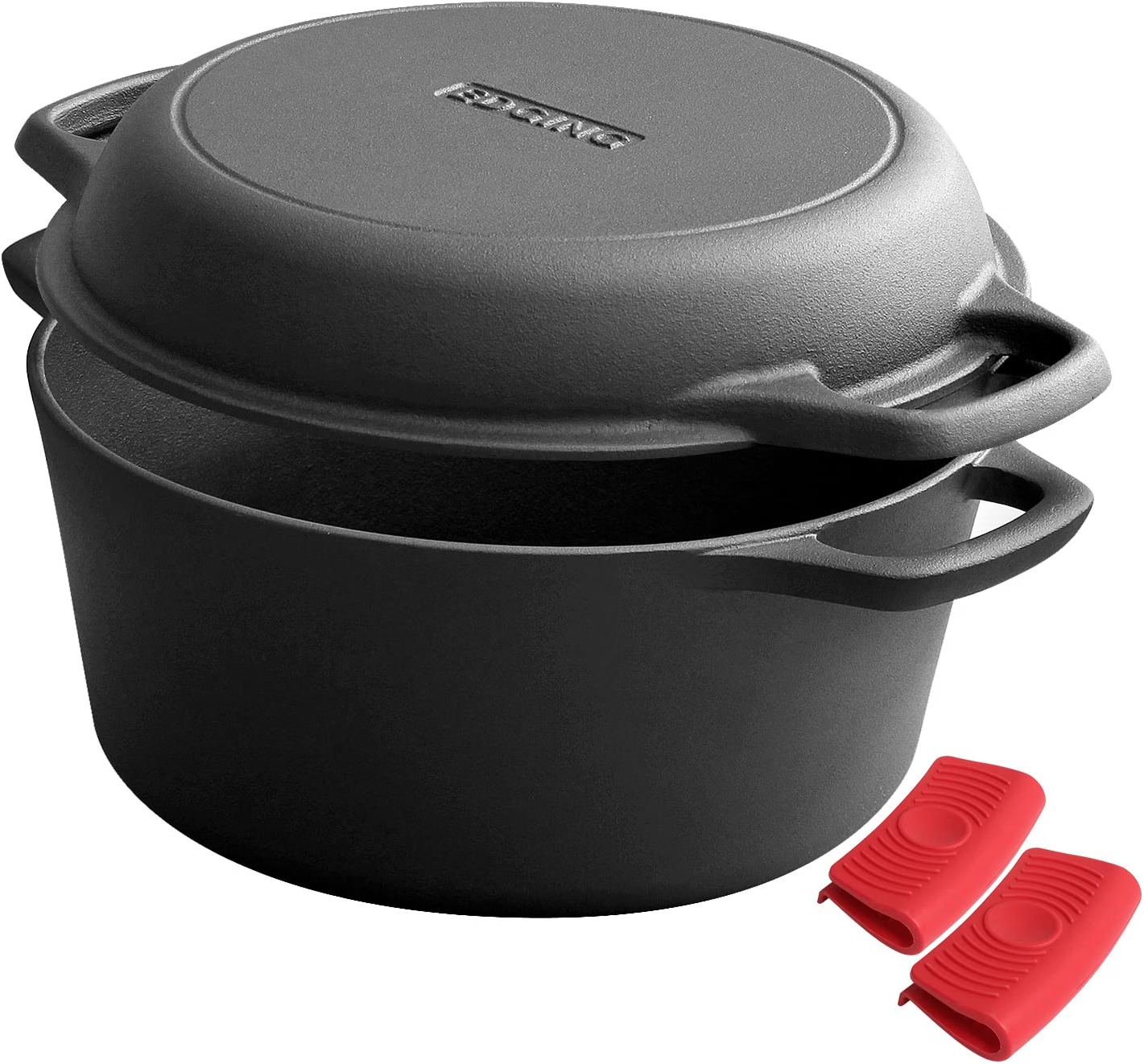
EDGING CASTING 2-in-1 Pre-Seasoned Cast Iron Dutch Oven Pot with Skillet Lid Cooking Pan
You Have Got This
Understanding inoculation is one of those quiet game-changers in sourdough baking. It is not about memorizing numbers or following a strict formula. It is about understanding how your dough works so you can bake with confidence, whatever day of the week, whatever the weather.
Every loaf teaches you something. And now that you know what inoculation means, you have one more tool in your baker's toolkit.
So go ahead, feed that starter, do a little math, and trust the process. Your next loaf is going to be even better than your last. I just know it.
Why Didn't My Sourdough Work?
A 71-page troubleshooting guide. Find your problem in 60 seconds and fix it on your next bake.
Comments
Sign in to join the conversation
Sign In