
My Sourdough Won't Rise: 7 Hidden Causes & Quick Fixes
Flat sourdough got you frustrated? Discover the 7 sneaky culprits sabotaging your rise and get actionable fixes to transform your loaves.
Published on May 9, 2026
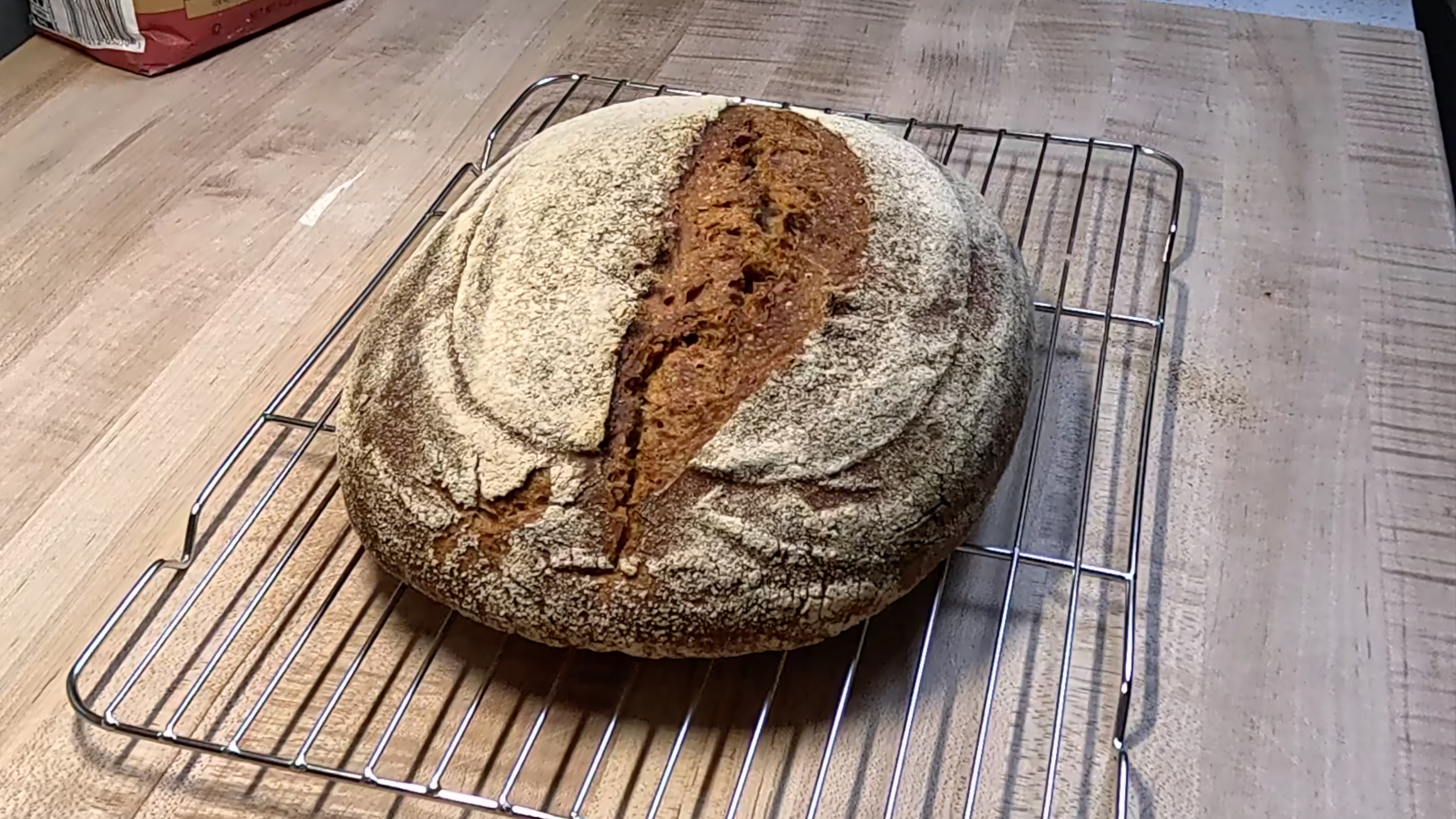
There's nothing quite as deflating as pulling a flat, dense loaf from the oven when you were expecting that beautiful, airy crumb and golden dome. Trust me, every baker has been there – staring at what looks more like a sourdough pancake than the Instagram-worthy boule you had in mind.
The good news? A sluggish rise doesn't mean you should throw in the kitchen towel. Most rising issues stem from a handful of common culprits that are easier to fix than you might think. Let's dive into the seven hidden causes that could be sabotaging your sourdough's lift-off.
Recommended Product

KneadAce Cotton Rope Banneton Bread Proofing Basket Set, Oval & Round Bread Baskets with Liners & Covers
1. Your Starter Isn't Actually Ready
The Problem
This is the big one, folks. Your starter might look bubbly and smell wonderfully tangy, but if it's not at peak activity, your dough won't rise properly. A sluggish starter equals sluggish bread.
The Quick Fix
Perform the float test: drop a spoonful of starter into a glass of water. If it floats, you're good to go. If it sinks like a stone, feed your starter and wait for it to double in size before using it.
For best results, use your starter 4-8 hours after feeding when it's doubled and still dome-shaped on top. This is when those wild yeasts are working their hardest.
Recommended Product
KneadAce Cotton Rope Banneton Bread Proofing Basket Set, Oval & Round Bread Baskets with Liners & Covers
2. Temperature Troubles Are Slowing Things Down
The Problem
Sourdough is incredibly temperature-sensitive. Too cold, and fermentation crawls to a near-halt. Too warm, and you might get over-fermentation without proper rise.
The Quick Fix
Aim for that sweet spot of 75-80°F (24-27°C) for bulk fermentation. Create a proofing box using your oven with just the light on, or place your bowl on top of the refrigerator where it's naturally warmer.
In winter, I wrap my dough bowl in a warm towel or use a heating pad on low. Your dough should feel slightly warm to the touch – like a baby's skin.
Recommended Product

Sally's Organics® Empty Clear Glass Spray Bottles - Refillable 16 oz
3. Salt Timing Is Killing Your Yeast
The Problem
Adding salt directly to your starter or mixing it in too early can inhibit yeast activity. Salt is essential for flavor and structure, but timing matters.
The Quick Fix
Use the autolyse method: mix flour and water first, let it rest for 30-60 minutes, then add your starter and salt. This gives the flour time to hydrate while protecting your precious yeast from salt's inhibiting effects.
If you've already mixed everything together, don't panic – just expect a longer rise time.
Recommended Product
Sally's Organics® Empty Clear Glass Spray Bottles - Refillable 16 oz
4. Over-Kneading or Under-Developing the Dough
The Problem
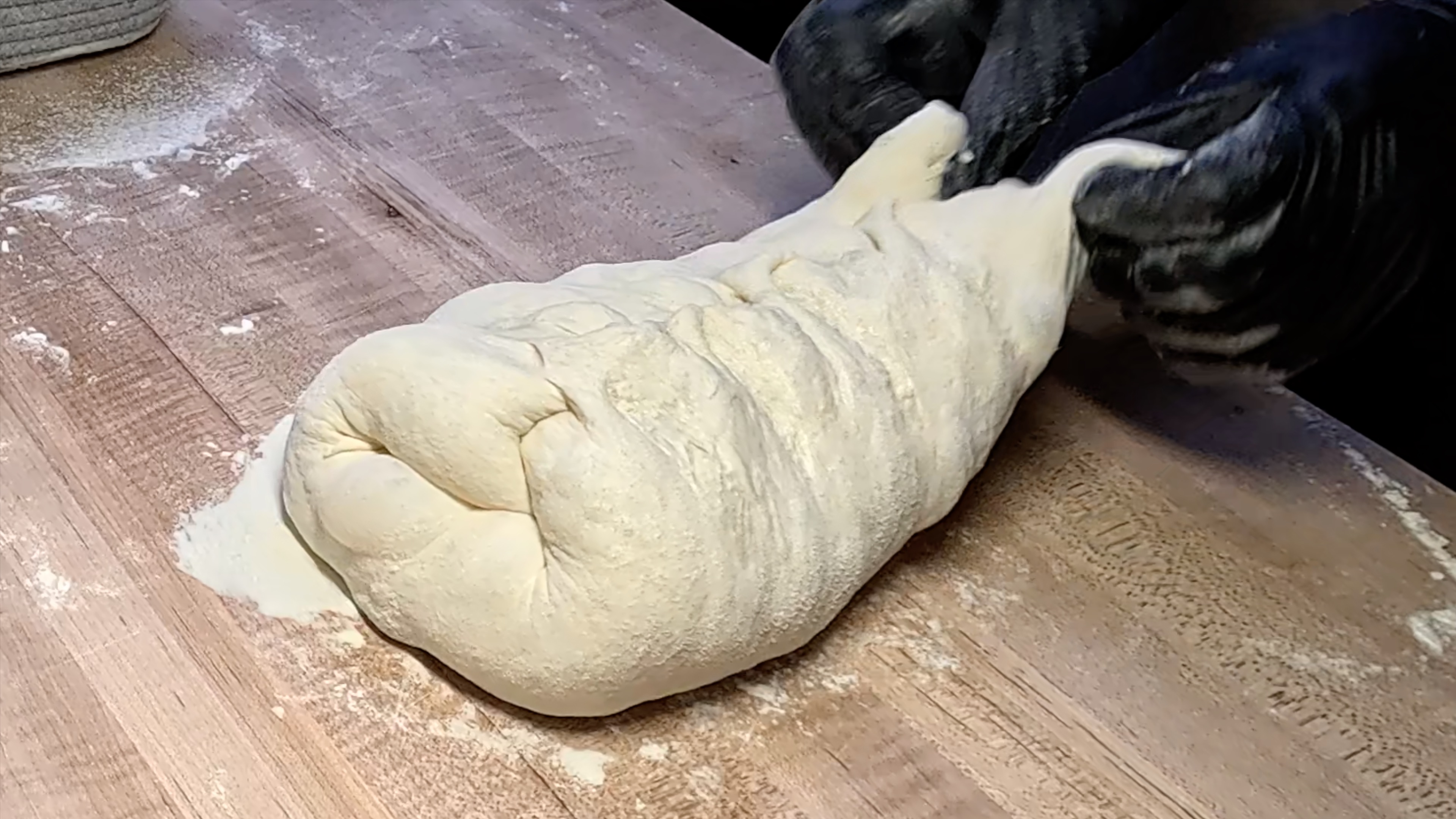
Sourdough doesn't need aggressive kneading like commercial yeast breads, but it does need proper gluten development. Too much handling can break down the gluten network, while too little leaves you with a weak structure that can't hold gas.
The Quick Fix
Switch to gentle stretch and folds every 30 minutes during the first 2 hours of bulk fermentation. This builds strength gradually without overworking the dough.
Try our No-Knead Sourdough Bread: No Dutch Oven (AP Flour Edition) – it's perfect for beginners and relies on time rather than muscle to develop structure.
Recommended Product
OXO Good Grips Stainless Steel Multi-Purpose Scraper & Chopper
5. Your Flour Is Working Against You
The Problem
Weak flour with low protein content can't build the gluten structure needed to trap gas bubbles. Whole grain flours, while nutritious, can also inhibit rise if not handled properly.
The Quick Fix
Use bread flour (12-14% protein) or add vital wheat gluten to all-purpose flour. If using whole grains, try a 50/50 blend with bread flour, or extend your autolyse time to 2-4 hours to fully hydrate those bran particles.
Recommended Product
OXO Good Grips Stainless Steel Multi-Purpose Scraper & Chopper
6. Hydration Issues Are Throwing Off Your Timeline
The Problem
Too much water can make your dough too slack to rise properly, while too little creates a tight, dense crumb that resists expansion.
The Quick Fix
Start with 75-80% hydration (75-80g water per 100g flour) until you get comfortable with dough handling. High-hydration doughs like our No-Knead Sourdough Baguette! (80% Hydration) require specific techniques and longer fermentation times.
Adjust water gradually – add 25g at a time if your dough feels too stiff, or add flour if it's too wet to handle.
Recommended Product
OXO Good Grips Stainless Steel Multi-Purpose Scraper & Chopper
7. Timing and Fermentation Misjudgments
The Problem
Sourdough doesn't follow a strict timeline like commercial yeast. Under-fermented dough won't have enough gas production, while over-fermented dough can collapse.
The Quick Fix
Learn to read your dough, not the clock. During bulk fermentation, look for:
- 50-70% size increase
- Jiggly, airy texture when you gently shake the bowl
- Visible bubbles on the surface
- Smooth, slightly domed top
This usually takes 4-8 hours at room temperature, but could be longer in cooler conditions.
Recommended Product
Amazon Basics Digital Kitchen Scale with LCD Display
Bonus Tips for Consistent Rises
Keep Notes
Track your starter activity, ambient temperature, and timing. This helps you identify patterns and adjust accordingly.
Be Patient with Seasons
Your sourdough will behave differently in summer versus winter. Embrace these natural rhythms rather than fighting them.
Consider a Same-Day Option
If you're short on time, try our Same-Day Sourdough Batard: Morning to Evening Magic for reliable results without the long fermentation.
Recommended Product
Amazon Basics Digital Kitchen Scale with LCD Display
The Bottom Line
A flat sourdough doesn't define you as a baker – it's just feedback. Each "failed" loaf teaches you something valuable about your starter, your environment, and your technique.
Remember, even professional bakers have off days. The key is staying curious, keeping notes, and celebrating the small victories along the way. That perfect rise is coming – sometimes it just takes a little detective work to get there.
Ready to troubleshoot your next loaf? Start with checking your starter's activity level, then work through this list systematically. Your future self (and your taste buds) will thank you for the persistence. Happy baking!
Comments
Sign in to join the conversation
Sign In