
The Sourdough Rule You're Allowed to Break
Craving fresh sourdough but don't want to wait two days? This same-day batard delivers a golden crust and tangy crumb by dinnertime.
Published on June 7, 2026
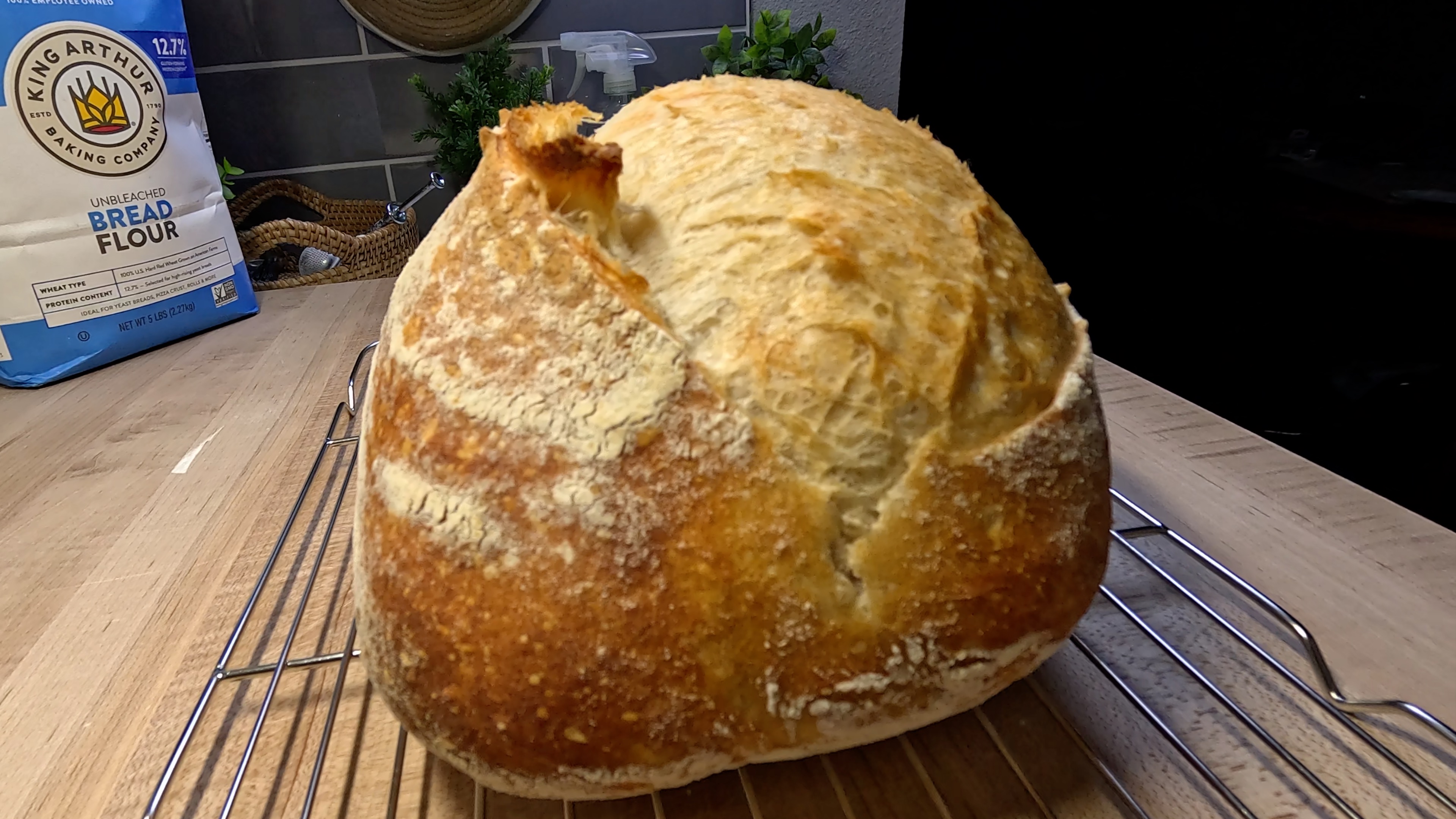
We've all been there. It's Saturday morning, you peek at your sourdough starter bubbling away on the counter, and a craving hits hard. You want a real, honest, crusty loaf of sourdough — but the thought of waiting until tomorrow night feels like a small eternity.
Good news: you don't have to wait.
This same-day sourdough batard goes from mixing bowl to oven in a single day, and the results are genuinely beautiful. We're talking a deep, mahogany crust that crackles when you squeeze it, a chewy, open crumb with that signature tang, and the kind of loaf that makes your kitchen smell like the best bakery on the block.
Let's break down exactly how this works — and how you can pull it off in your own kitchen.
What Is a Batard, Anyway?
If you're more familiar with a round boule, the batard is its slightly elongated cousin. It's an oval-shaped loaf that's fantastic for slicing — think thick, sturdy pieces that hold up beautifully to a smear of cultured butter or a pile of avocado.
The oval shape also scores beautifully. A single, confident slash down the center opens up into that dramatic ear that every baker secretly (or not-so-secretly) lives for.
If you've already mastered the Classic Sourdough Boule - The Perfect Round Artisan Loaf, the batard shaping technique is your natural next step. Same principles, slightly different hand movements — and a whole new silhouette.
Recommended Product
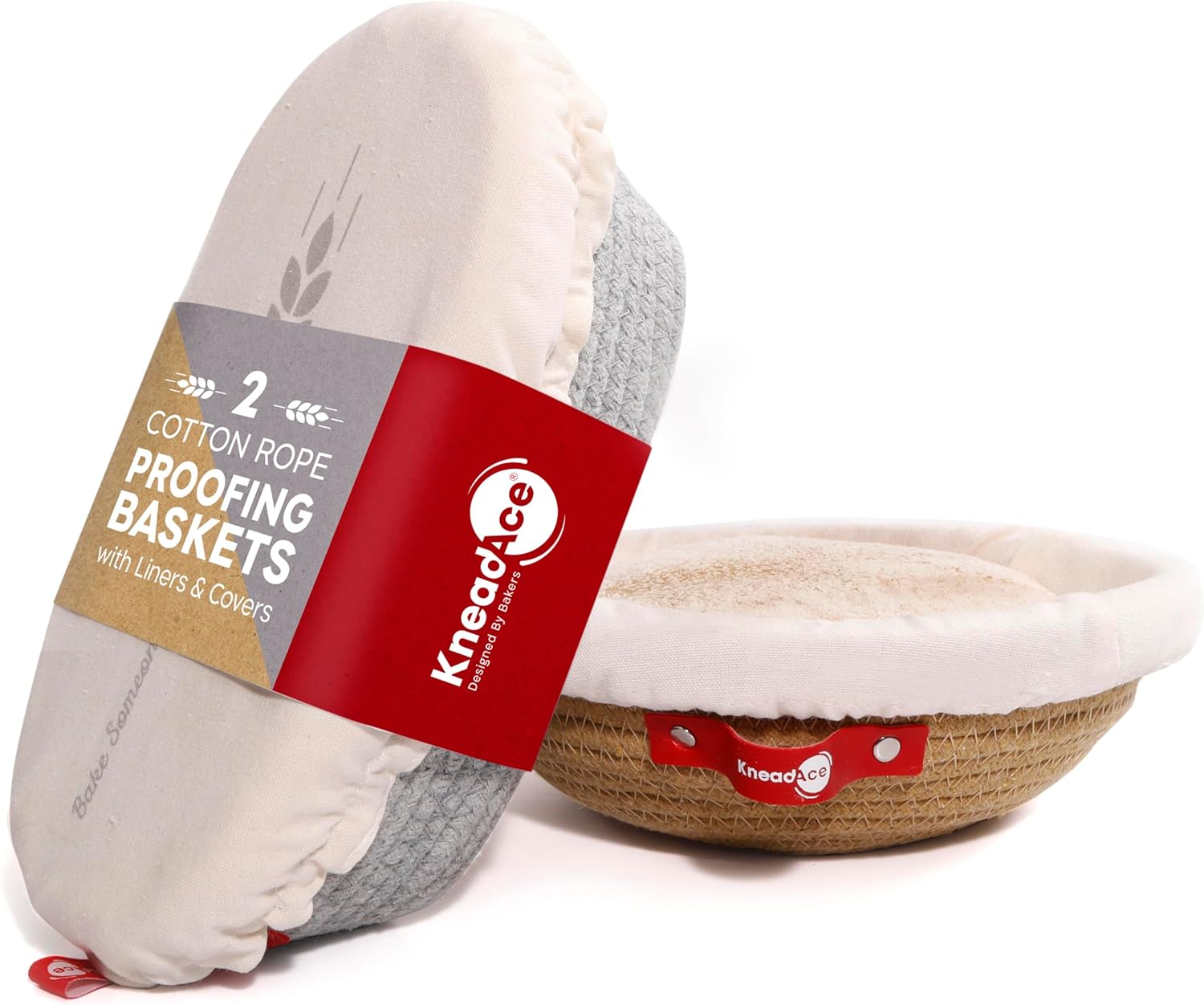
KneadAce Cotton Rope Banneton Bread Proofing Basket Set, Oval & Round Bread Baskets with Liners & Covers
Why Same-Day Works (The Science in Plain English)
Traditional sourdough recipes rely on a long, cold overnight ferment in the fridge to develop flavor and structure. That's the method we use in our Classic Sourdough Bread, and it's absolutely worth the wait when you have the time.
But same-day sourdough plays by different rules.
Instead of slowing fermentation down with cold temperatures, we let it run warm and fast. A room temperature around 75–78°F (24–26°C) is your sweet spot. Your dough moves quickly through bulk fermentation, building strength through a series of stretch-and-fold sets rather than a long, hands-off rise.
The flavor won't be quite as deeply complex as a 24-hour cold-fermented loaf — but it's still wonderfully tangy, with more character than most store-bought bread could dream of.
The key variables for same-day success:
- A very active, bubbly starter at peak (this is non-negotiable)
- A warm kitchen environment
- Proper stretch-and-fold technique to build gluten strength
- Patience during shaping — don't rush it
Recommended Product
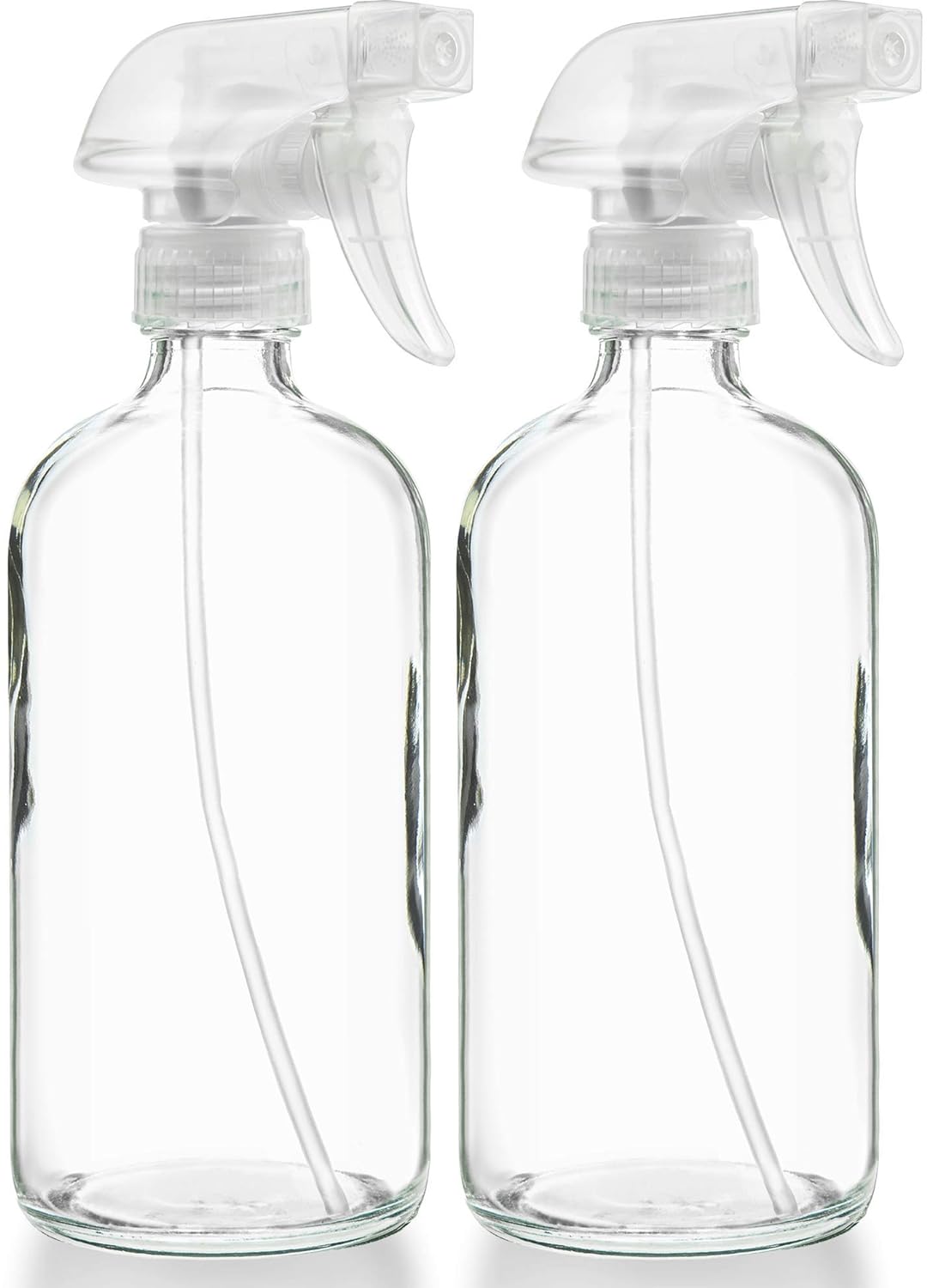
Sally's Organics® Empty Clear Glass Spray Bottles - Refillable 16 oz
Your Same-Day Timeline at a Glance
Here's roughly how your day will flow. Times are approximate — always watch your dough, not the clock.
- Morning (8–9 AM): Feed your starter
- Mid-Morning (10–11 AM): Mix your dough
- 11 AM – 2 PM: Bulk fermentation with stretch-and-folds
- 2:00–2:30 PM: Pre-shape and bench rest
- 2:30 PM: Final shape into batard, into the banneton
- 2:30–4:30 PM: Proof at room temperature (or a brief cold proof)
- 4:30–5:30 PM: Bake
- Evening: Dinner with fresh sourdough batard. You did it.
That's the magic of same-day baking. From morning energy to evening reward.
Recommended Product
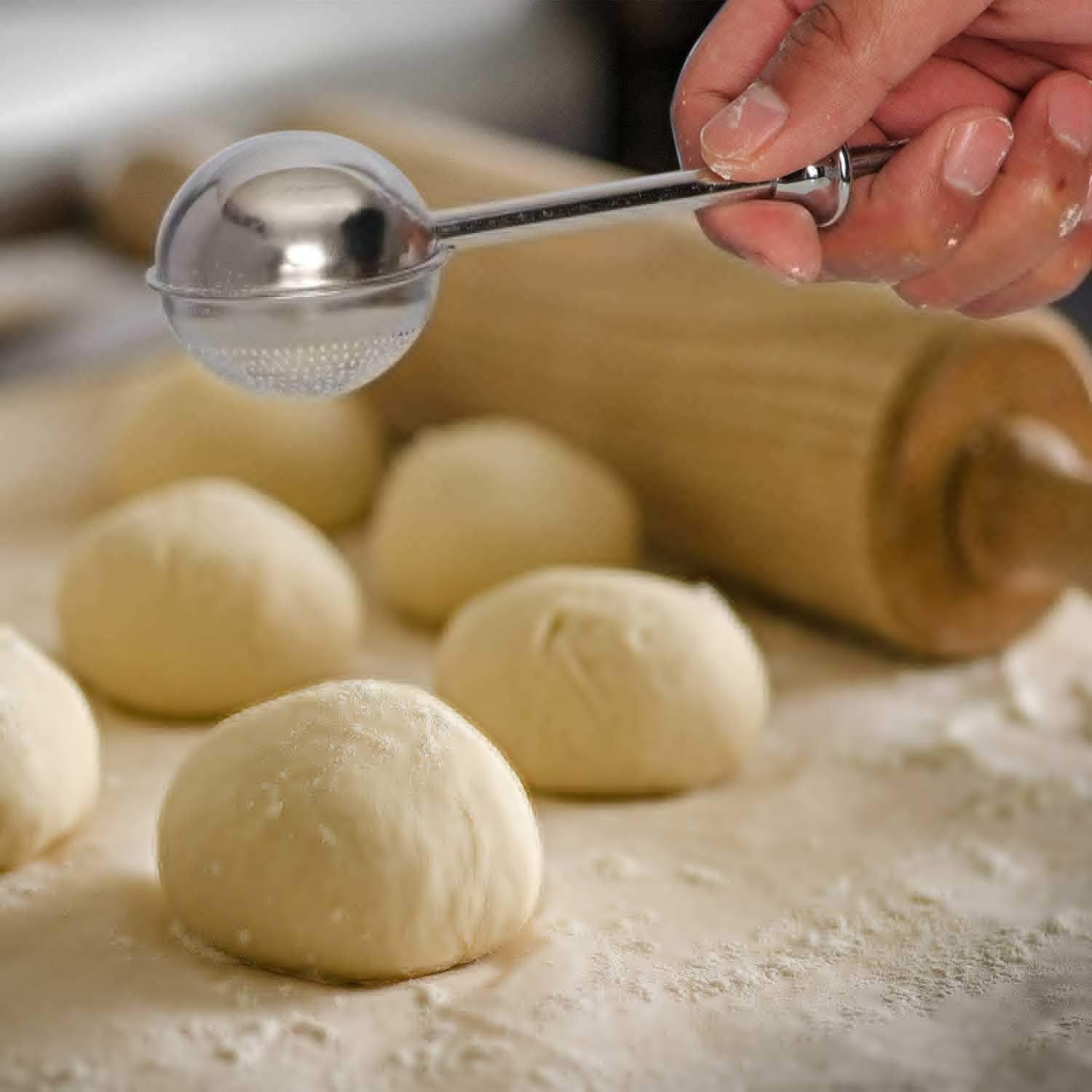
HULISEN Flour Duster for Baking, One-Handed Operation, 304 Stainless Steel Powdered Sugar Shaker Duster
Tips for a Successful Same-Day Batard
1. Don't Skip the Float Test
Drop a small spoonful of your starter into a glass of water. If it floats, it's ready. If it sinks, give it more time. Using an underripe starter is the number one reason same-day loaves fall flat — literally.
2. Keep Your Dough Warm
Fermentation is temperature-sensitive. If your kitchen runs cool, try proofing your dough inside an oven with just the light on, or next to a warm stovetop. A few degrees makes a huge difference in timing.
3. Nail Your Stretch-and-Folds
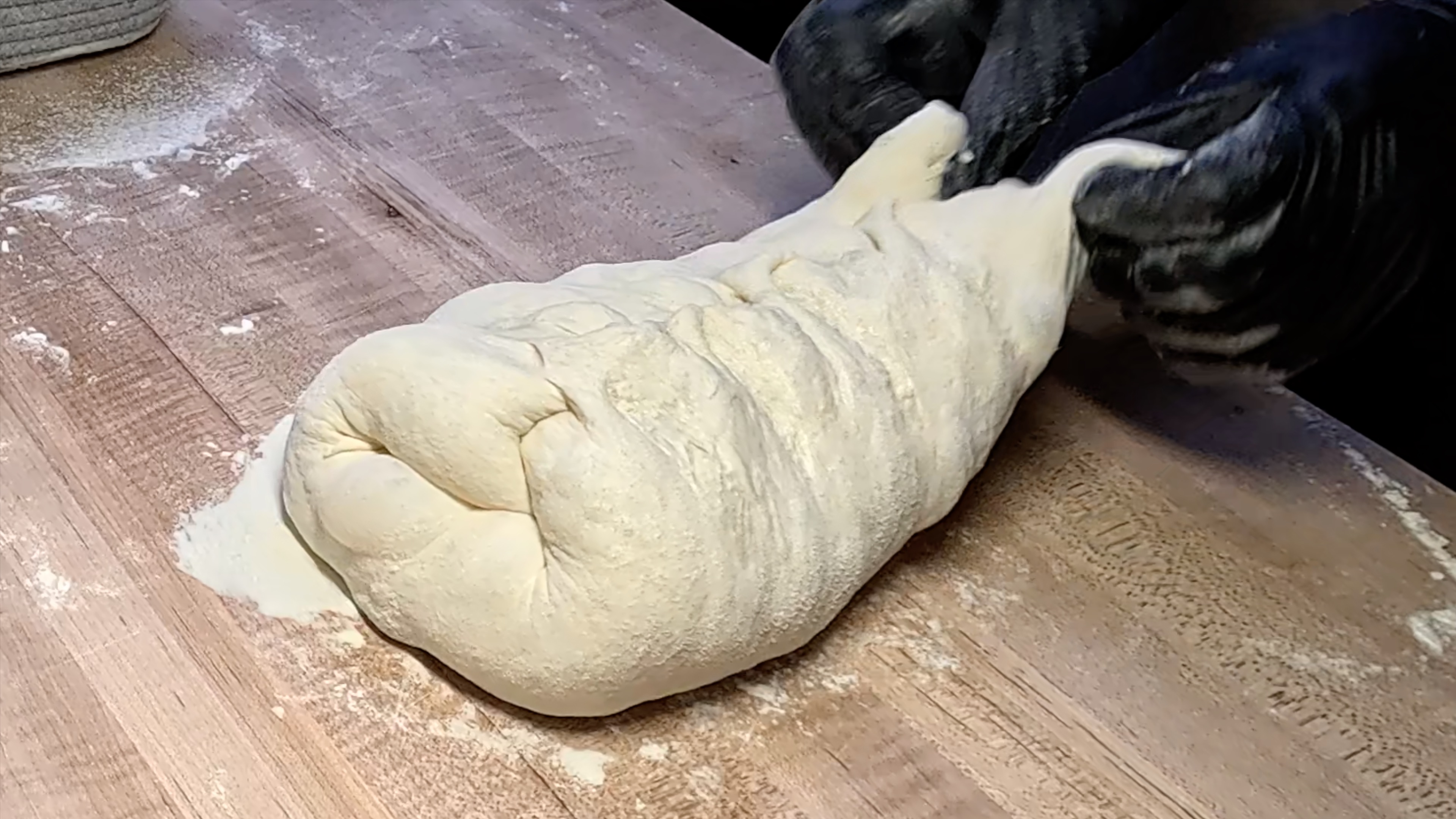
Plan for 4 sets of stretch-and-folds during bulk fermentation, spaced about 30 minutes apart. Each set builds the gluten network that gives your batard its structure and oven spring. Wet hands are your friend here — no extra flour needed.
4. Watch for the Signs, Not the Clock
Your dough is ready to shape when it has increased by about 50–75%, feels airy and jiggly, and shows some bubbles on the surface and sides. These visual cues matter more than any timer.
5. Shape with Confidence
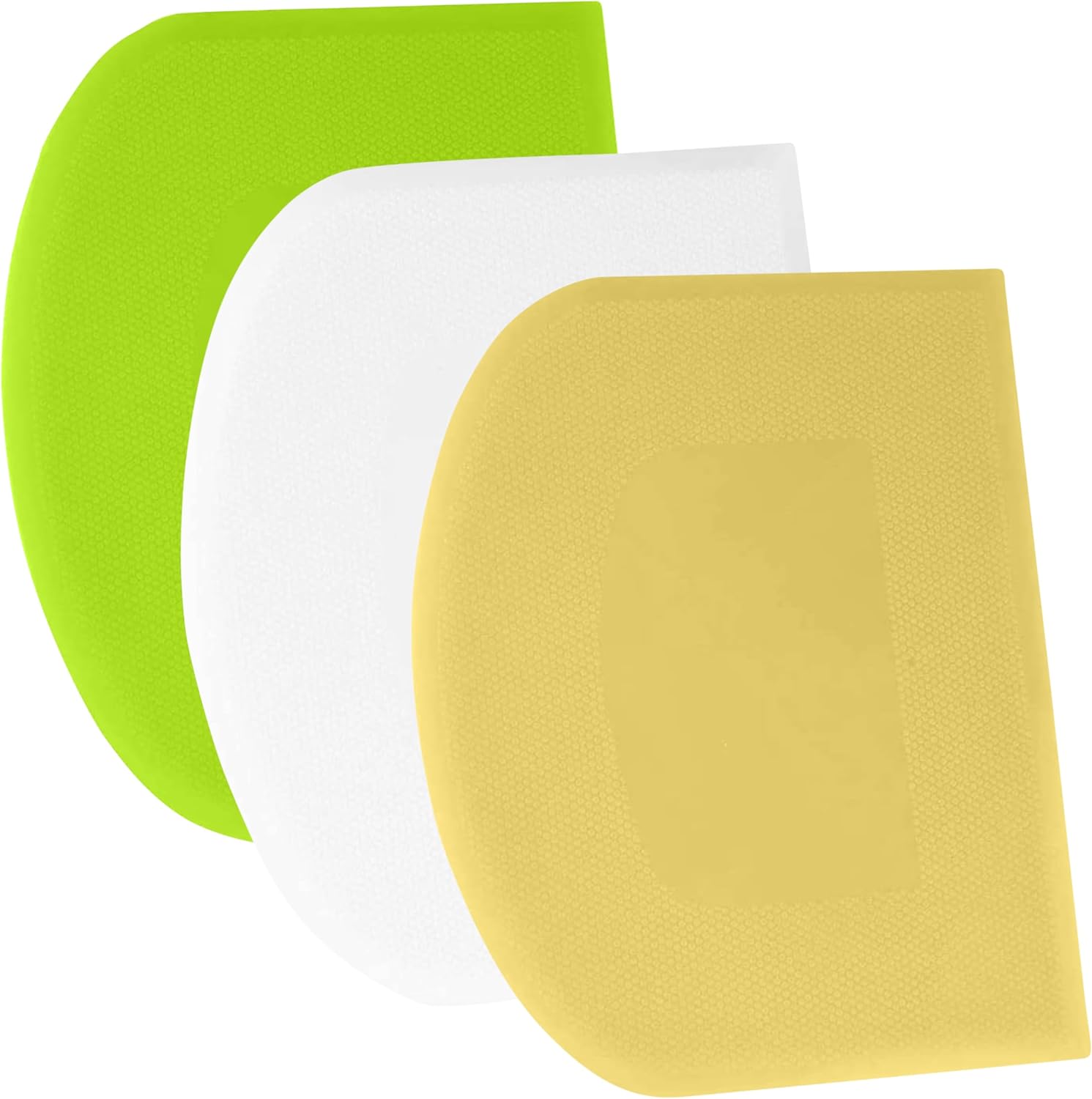
Tension is everything in batard shaping. Use a bench scraper and your hands to create a tight, smooth surface. A slack, poorly shaped loaf won't hold its form in the oven. Take your time — a two-minute shaping session done well beats a rushed 30-second job every time.
6. Score Decisively
Use a sharp lame or razor blade and score at a slight angle (about 30–45 degrees) down the length of the batard. One bold, confident cut is better than three hesitant ones. This is what creates that gorgeous, blistered ear.
Recommended Product
HULISEN Flour Duster for Baking, One-Handed Operation, 304 Stainless Steel Powdered Sugar Shaker Duster
Baking Your Batard
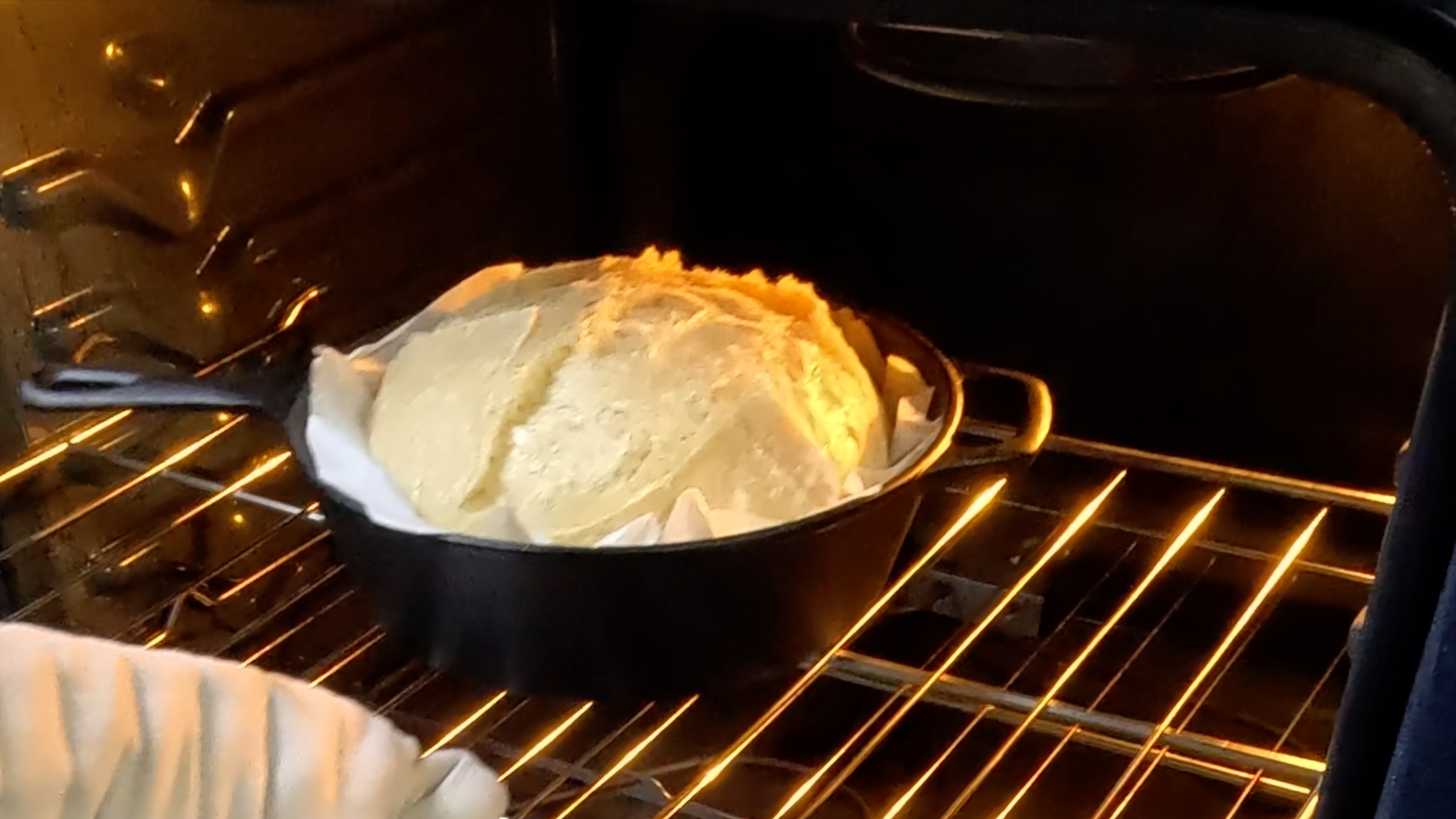
A Dutch oven is your best friend here. Preheat it in your oven at 500°F (260°C) for at least 45 minutes — you want it screaming hot.
Flip your proofed batard onto a piece of parchment, score it, and lower it into the Dutch oven using the parchment as a sling. Bake covered for 20 minutes (this traps steam for a gorgeous crust), then uncover and bake for another 20–25 minutes until deeply golden brown.
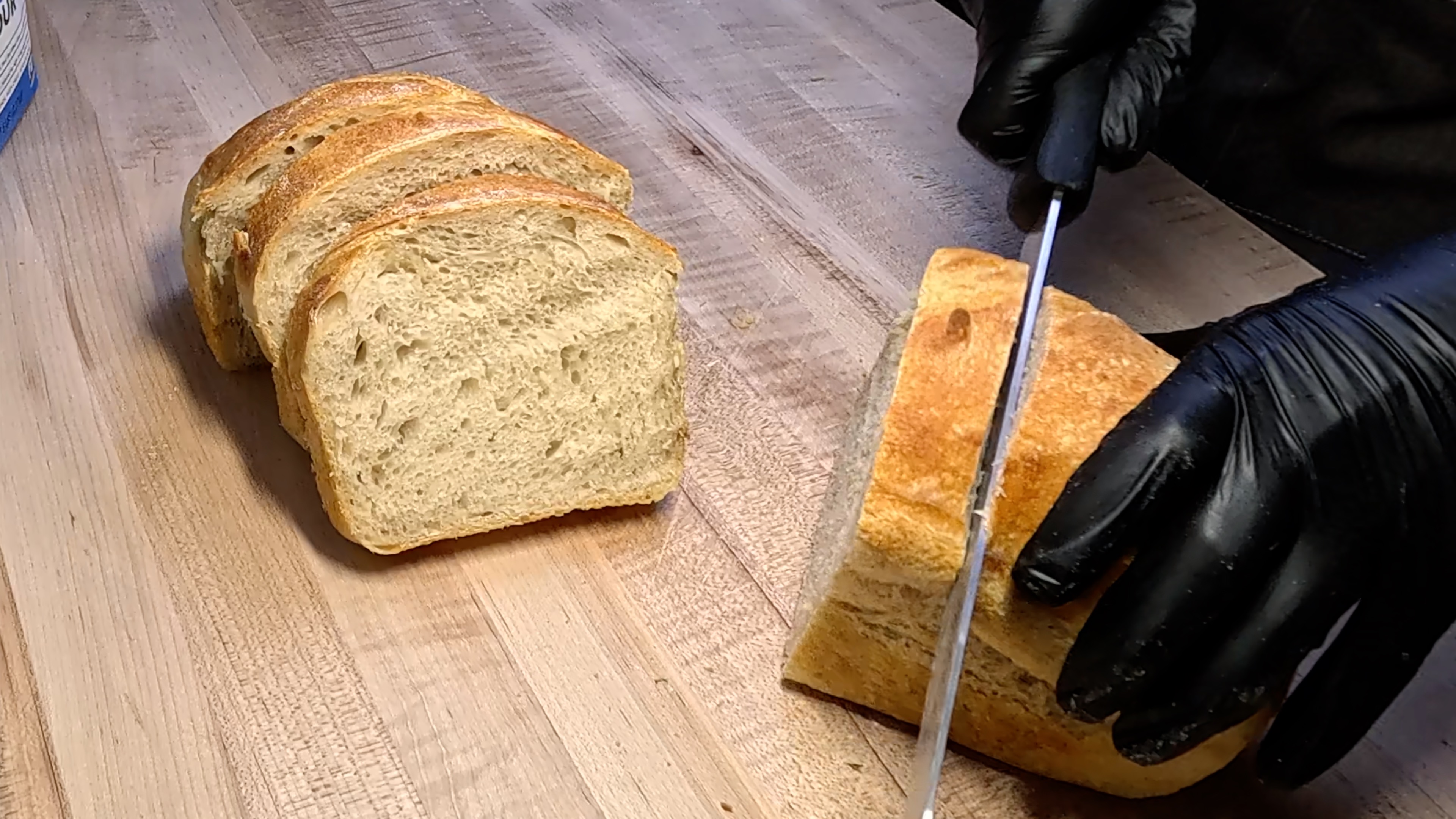
Don't slice into it the second it comes out! Let it cool on a wire rack for at least an hour. The crumb is still setting as it cools — slicing too early gives you a gummy interior, and after all this work, you deserve better than that.
Make It Your Own
Once you've got the basic same-day batard down, the variations are endless. Add a handful of toasted seeds to the dough. Swap 15% of the bread flour for whole wheat for a nuttier, more complex flavor. Brush the top with water and roll it in sesame seeds before the final proof.
If you love the idea of same-day sourdough baking beyond just this loaf, you might also enjoy our Same-Day Sourdough Sandwich Loaf with Seeds — a softer, pillowy option that's perfect for lunches and toast all week long.
Recommended Product
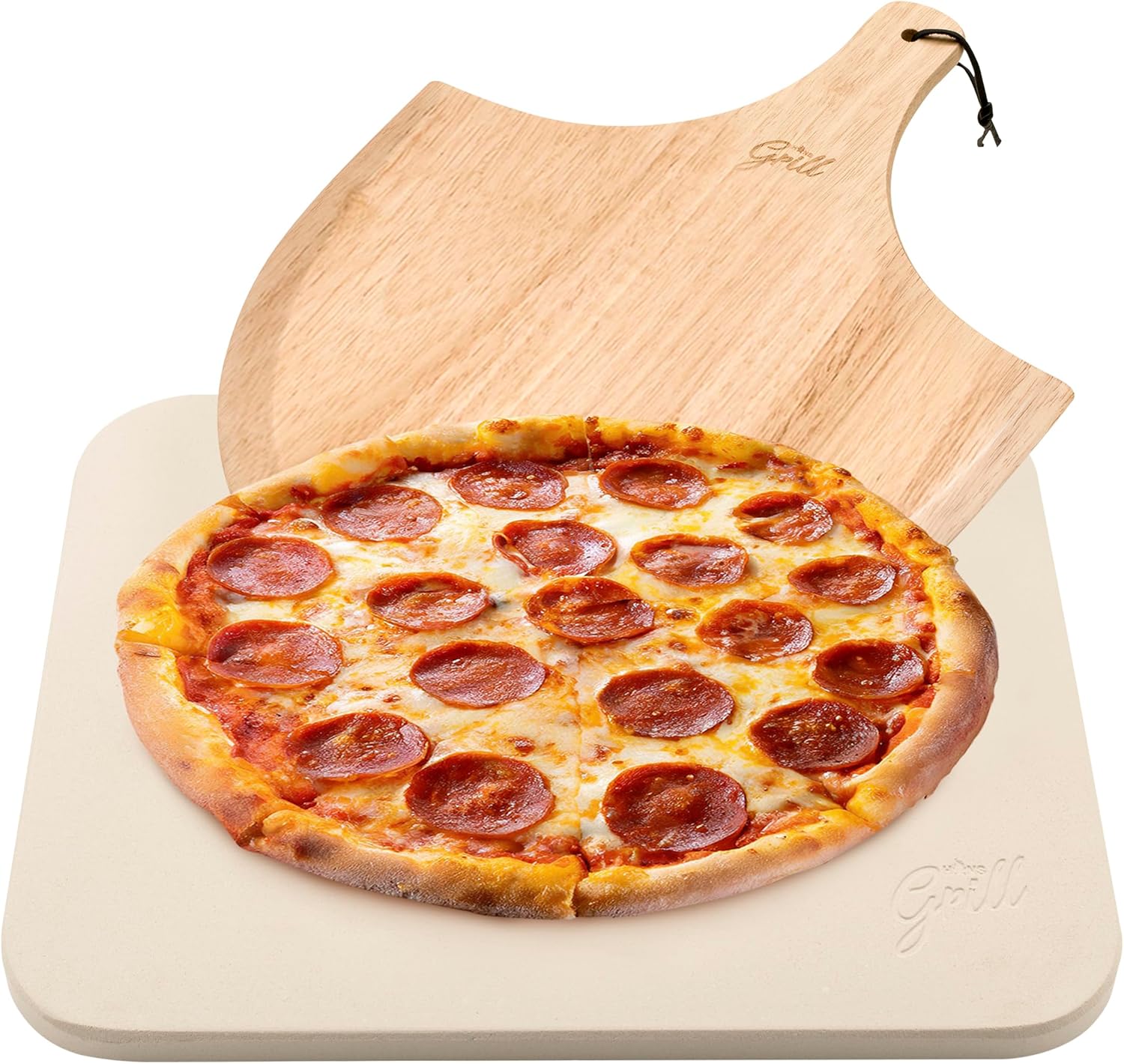
PIZZA STONE | Rectangular Pizza Stone For Oven Baking
You've Got This
Same-day sourdough used to feel like it was reserved for professional bakers with perfectly calibrated proofing chambers. But the truth is, with an active starter, a warm kitchen, and a little attentiveness, any home baker can pull a stunning batard out of the oven before dinner.
This isn't a shortcut. It's a different path to the same destination — warm bread, incredible aroma, and that deeply satisfying feeling of having made something genuinely beautiful with your own hands.
Give this same-day batard a try this weekend. Tag us with your results — we'd love to see that ear! And if you want to dive deeper into the world of artisan sourdough shaping and technique, browse the full recipe collection right here on Proof Point Baking. There's always another loaf worth baking. 🍞
Comments
Sign in to join the conversation
Sign In