Sourdough Boule with Cast Iron: The Ultimate Guide
Discover why cast iron is the secret weapon for baking the perfect sourdough boule — crackling crust, open crumb, and all.
Published on June 20, 2026
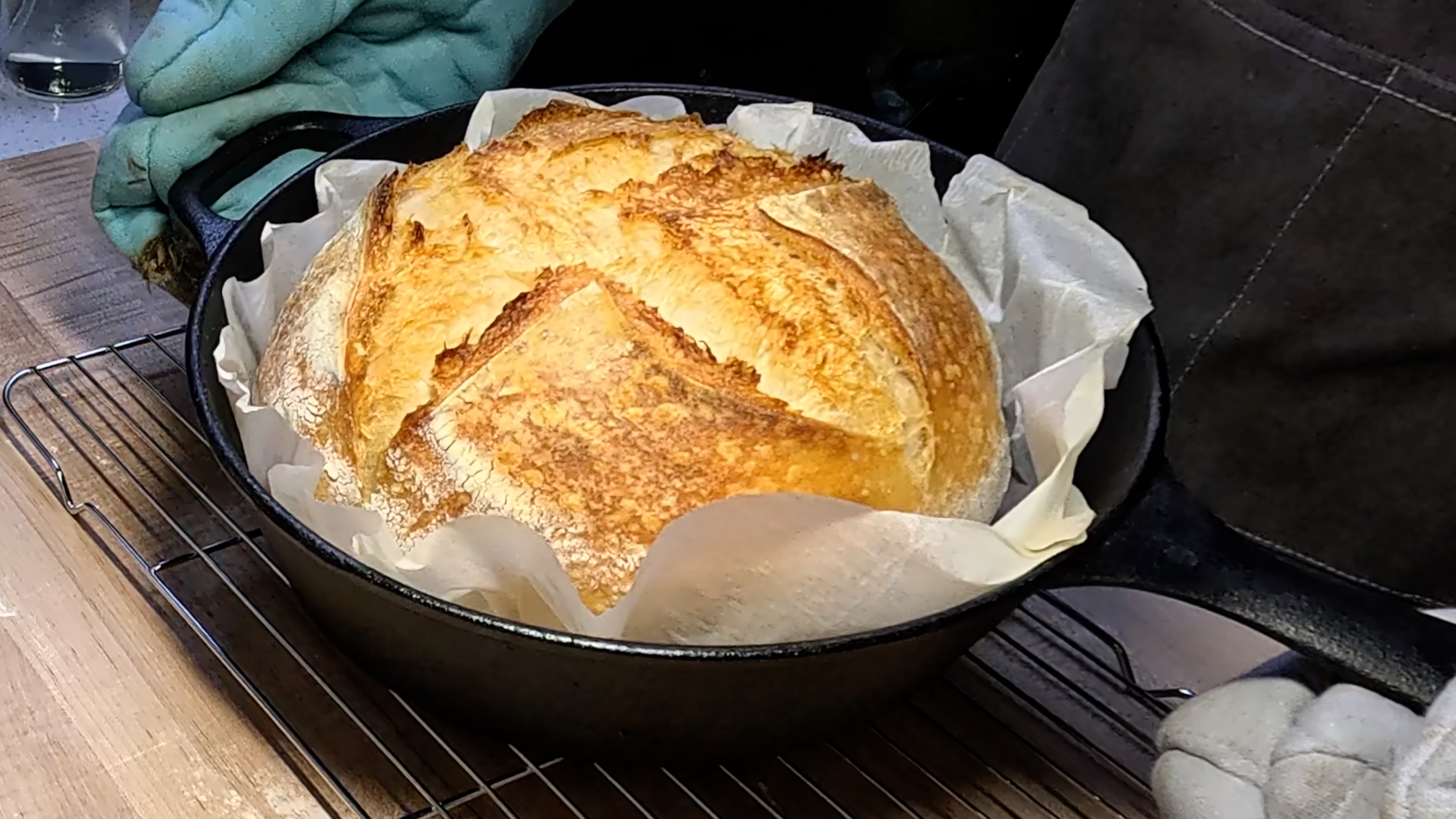
There's a moment in sourdough baking that never gets old. You lift the lid off your cast iron pot about halfway through the bake, and a wave of toasty, golden steam rolls out. The crust is already blistering and caramelizing, and you know — you just know — that something magical is happening in that oven.
That moment? That's the cast iron doing its job.
If you've been chasing that bakery-style boule with the crackling, shatter-when-you-tap-it crust and a custardy, open crumb inside, cast iron is your best friend. Let's talk about why it works so well, how to use it properly, and all the little tips that make the difference between a good loaf and a truly great one.
Why Cast Iron Is a Game-Changer for Sourdough Boules
Professional bread ovens do something your home oven simply can't do on its own — they inject steam during the first part of the bake. That steam is everything. It keeps the surface of the dough moist and pliable long enough for the loaf to fully expand before the crust sets and hardens.
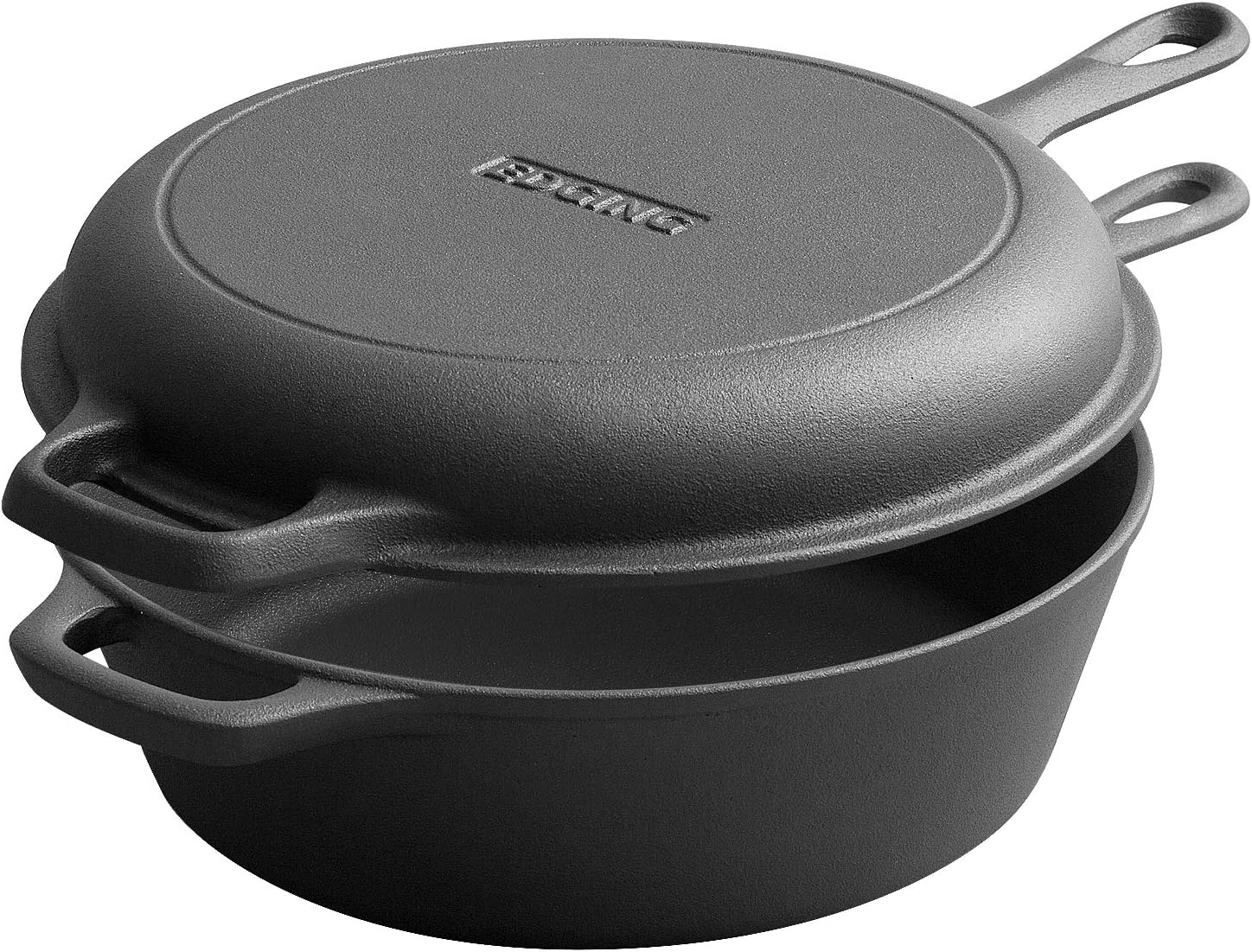
With a cast iron Dutch oven, you're essentially building a mini steam chamber right on your oven rack. Here's the science in plain terms:
- The trapped moisture from your dough becomes steam inside the sealed pot.
- That steam delays crust formation, giving your loaf maximum oven spring.
- The intense, even heat of cast iron radiates from all sides, mimicking a deck oven.
- When you remove the lid, the crust has time to dry out, deepen in color, and develop that gorgeous, audible crunch.
No other piece of home kitchen equipment replicates this two-stage baking environment quite like cast iron does. It's not a trend — it's just physics.
Recommended Product
KneadAce Cotton Rope Banneton Bread Proofing Basket Set, Oval & Round Bread Baskets with Liners & Covers
Choosing the Right Cast Iron for a Boule
A classic round Dutch oven is ideal for baking a boule (the word boule simply means "ball" in French, describing that round, rustic shape). Here's what to look for:
- Size: A 4-quart to 5.5-quart Dutch oven works perfectly for a standard 900g–1kg dough ball. Too large and the loaf spreads flat; too small and it can't rise freely.
- Material: Enameled cast iron (like Le Creuset or Lodge) is popular and easy to clean. Bare cast iron works just as well but requires a little more care.
- Lid fit: You need a snug-fitting lid to trap steam effectively. A loose lid lets precious steam escape.
- Depth: Make sure the pot is deep enough that your risen dough won't touch the lid before it bakes — about 4 inches of clearance is ideal.
Don't have a Dutch oven? You have options. Check out our No-Knead Sourdough Bread: No Dutch Oven (AP Flour Edition) for a clever workaround using equipment you probably already own.
Recommended Product
KneadAce Cotton Rope Banneton Bread Proofing Basket Set, Oval & Round Bread Baskets with Liners & Covers
The Preheat: Don't Skip This Step
This is the single most important thing you can do for your sourdough crust, and it's also the step most beginners skip.
Preheat your cast iron in the oven. Place your Dutch oven (lid on) into a cold oven, then set the temperature to 500°F (260°C) and let it heat for at least 45–60 minutes. Yes, really.
When you drop cold dough into a scorching hot cast iron pot, you get immediate oven spring — the heat shocks the dough into one final, dramatic rise before the crust locks in. That's where you get those beautiful ears, dramatic scores, and that airy interior crumb.
A pot that isn't fully preheated means sluggish oven spring, a pale crust, and a denser crumb. Take the time to preheat properly. It's worth it every single time.
Recommended Product
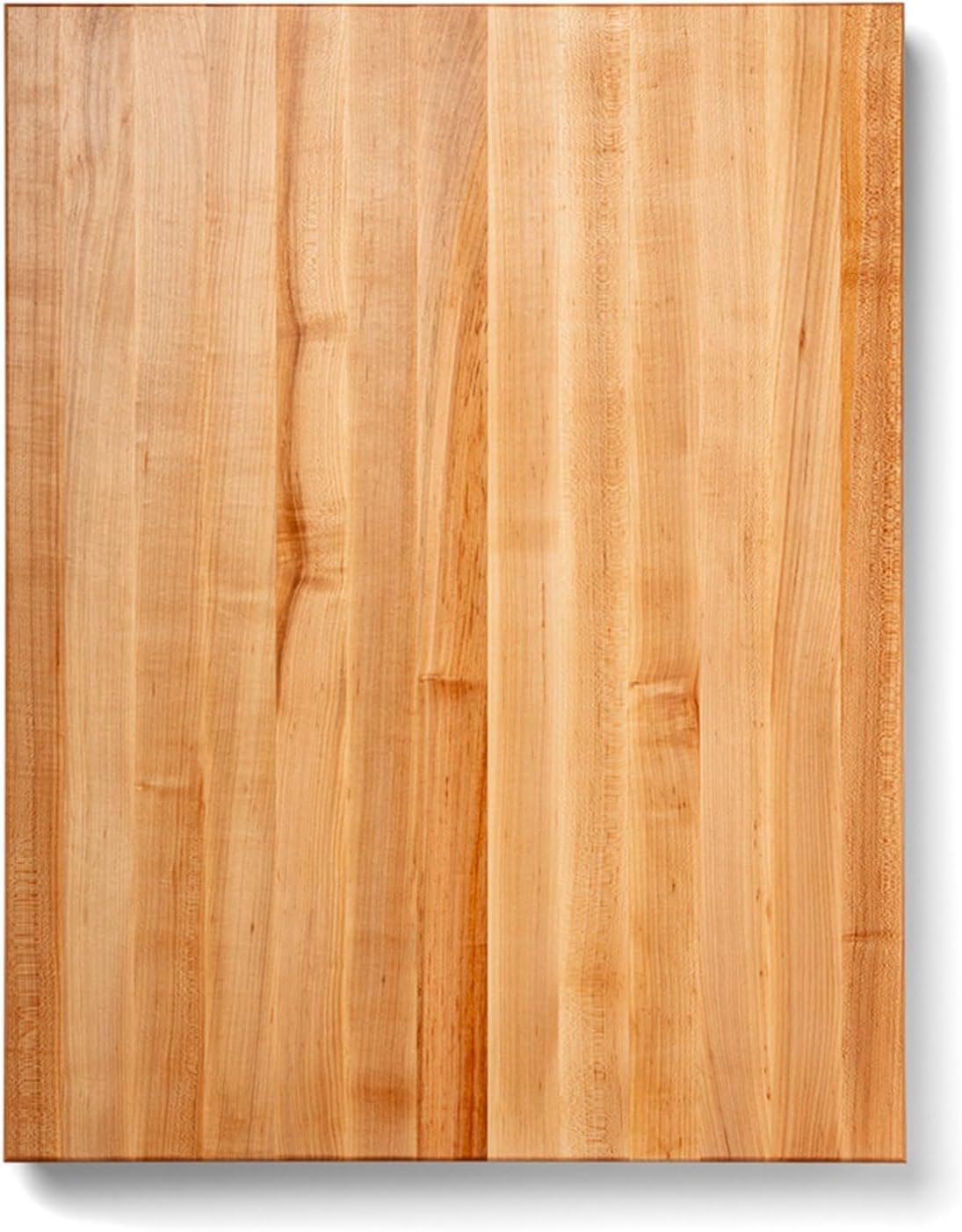
John Boos RA-Board Series Rectangular Wooden Maple Cutting Board 30”x23.25” – 2.25” Thick
Scoring Your Boule: The Ear Is Everything
Before your dough goes into the pot, you'll score it — making a deliberate cut with a sharp bread lame or razor blade. Scoring isn't just decorative (though a beautiful ear is deeply satisfying). It controls where the bread opens and expands during baking.
Tips for a Perfect Score:
- Use a sharp blade. A dull blade drags and deflates the dough. A proper bread lame or a fresh razor blade is a small investment with a big payoff.
- Work fast. Cold dough from the fridge scores better. Get it from the proofing basket into the hot pot quickly.
- Angle matters. Hold your blade at about a 30–45 degree angle to the dough for a pronounced ear. A straight-down cut gives a more open, flatter score.
- Depth: Aim for about ¼ to ½ inch deep. Shallow scores tear unevenly; deep scores spread too wide.
Recommended Product
John Boos RA-Board Series Rectangular Wooden Maple Cutting Board 30”x23.25” – 2.25” Thick
The Two-Stage Bake: Covered, Then Uncovered
Here's the classic cast iron baking sequence that produces that perfect sourdough boule:
Stage 1 — Covered (Steam Phase): Bake at 500°F (260°C) with the lid on for 20 minutes. The steam builds, the dough springs, the ear unfurls. Don't peek. Trust the process.
Stage 2 — Uncovered (Crust Development): Remove the lid carefully (that steam is HOT — use thick oven mitts). Reduce the temperature to 450°F (230°C) and bake for another 20–25 minutes until the crust is a deep mahogany brown.
Don't be afraid of color. A pale loaf is an underbaked loaf. That deep brown crust is where all the flavor lives — the Maillard reaction at work, building complex, nutty, caramelized notes that a lighter crust simply doesn't have.
Recommended Product

Sally's Organics® Empty Clear Glass Spray Bottles - Refillable 16 oz
Cooling: The Hardest Part
When your boule comes out of the oven, it's still baking. The interior can be up to 210°F, and the crumb is actively setting as it cools. Cut into it too early and you'll have a gummy, underdeveloped interior — and you'll hear that sad, doughy collapse instead of the satisfying crackle of a properly cooled crust.
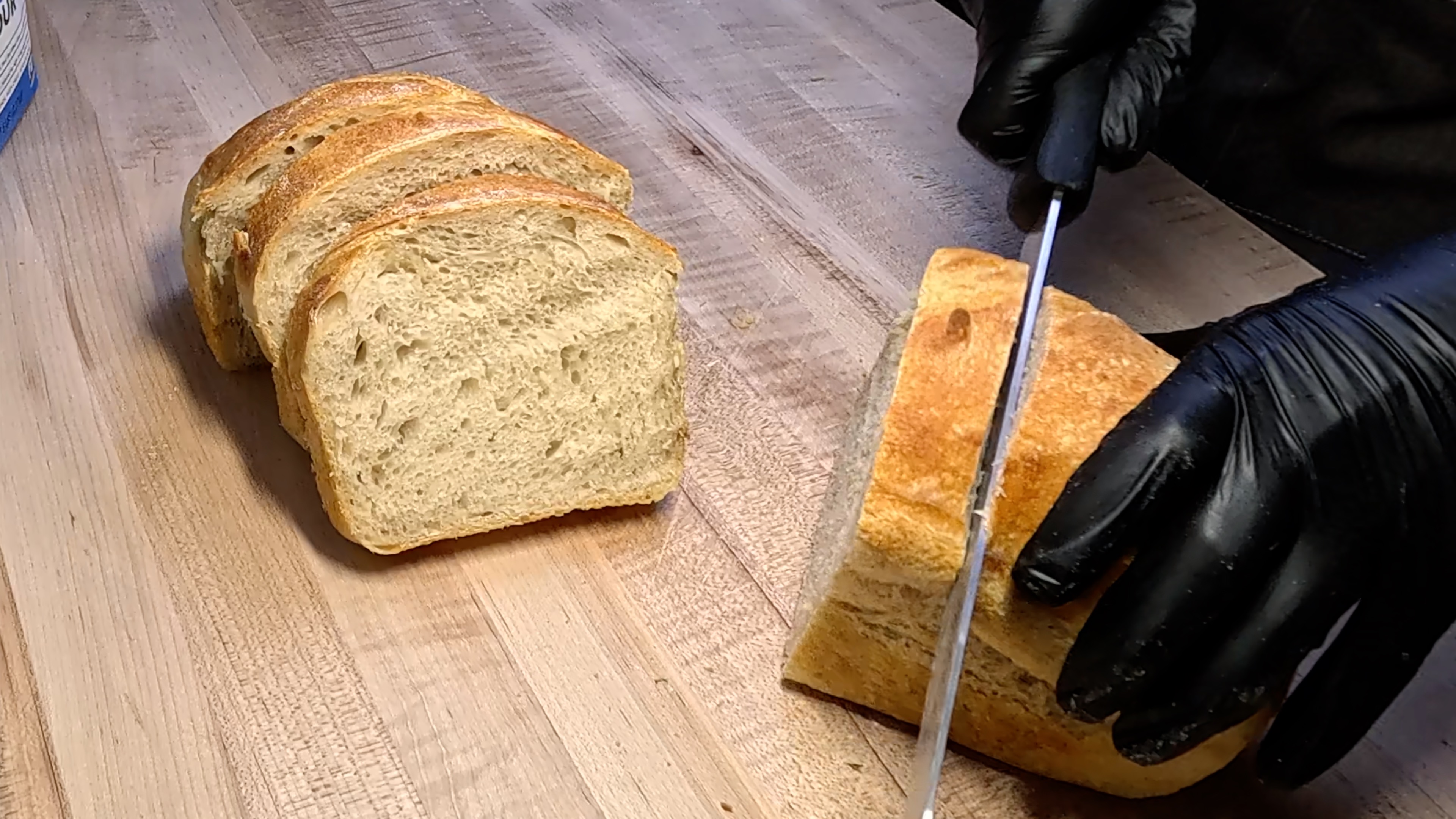
Wait at least 1 hour before cutting. Two hours is even better. Set it on a wire rack so air circulates underneath. You'll hear the crust singing as it cools — those little crackles and pops are the sound of a job well done.
Recommended Product
Sally's Organics® Empty Clear Glass Spray Bottles - Refillable 16 oz
Troubleshooting Common Cast Iron Boule Problems
Flat loaf with no oven spring? Your pot likely wasn't preheated long enough, or your dough was over-proofed. Try a shorter bulk fermentation next time.
Burnt bottom? Cast iron gets extremely hot. Place a baking sheet on the rack below your Dutch oven to diffuse some of that bottom heat, or bake on a higher rack position.
Pale, soft crust? Bake longer in the uncovered stage. That crust needs more time at high heat to fully develop. Don't rush it.
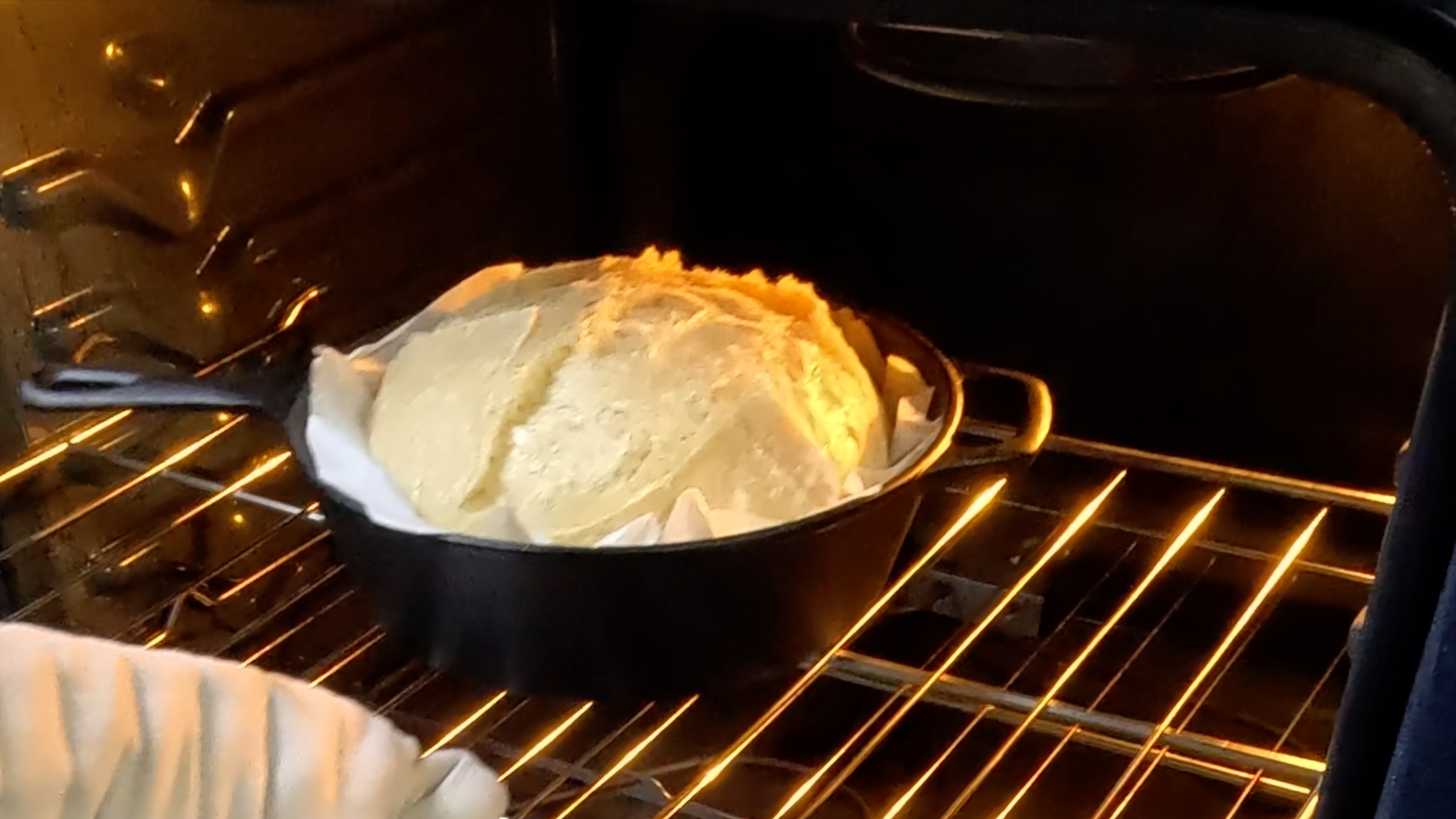
Dough sticking to the pot? Even in an enameled Dutch oven, dough can stick. Score your dough on parchment paper and lower the whole thing (parchment and all) into the pot. The parchment lifts right out after 15 minutes once the crust has set.
Recommended Product
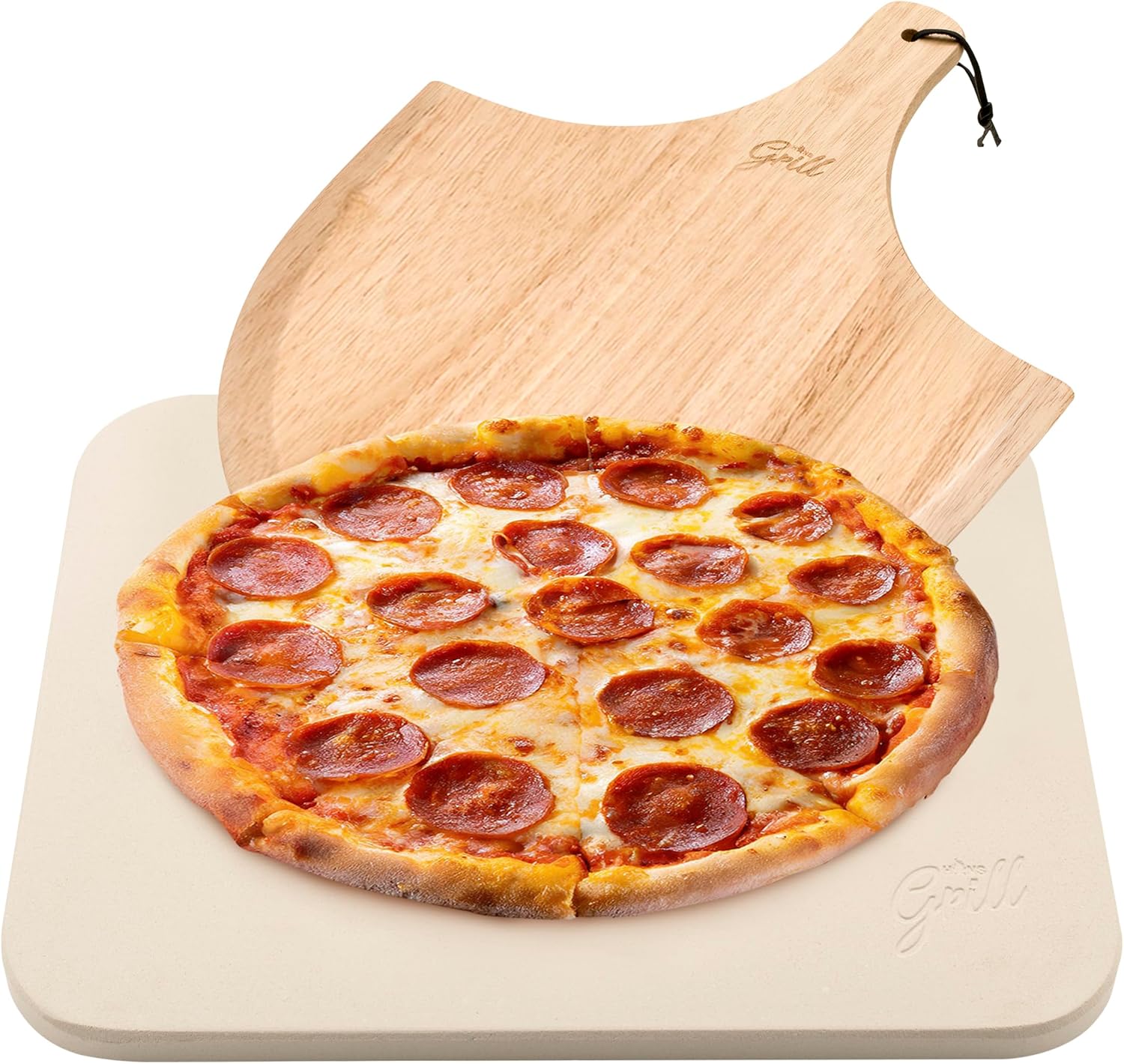
PIZZA STONE | Rectangular Pizza Stone For Oven Baking
Ready to Bake? Here's Where to Start
If you're ready to put all of this into practice, our Classic Sourdough Boule - The Perfect Round Artisan Loaf walks you through the entire process from shaping to scoring to that first beautiful slice. For those who want the full deep-dive two-day approach with complex flavor development, don't miss our Classic Sourdough Bread — a crowd favorite for good reason.
Recommended Product
PIZZA STONE | Rectangular Pizza Stone For Oven Baking
You've Got This
Baking a sourdough boule in cast iron is one of those techniques that feels intimidating right up until the moment you pull your first golden, crackling loaf out of the oven. Then it just feels like home.
Your cast iron pot isn't precious — use it, preheat it boldly, and trust the process your dough has been working toward all day. Every bake teaches you something new, and every loaf (even the imperfect ones) is a reason to be proud.
Now go feed that starter, preheat that pot, and get baking. We're rooting for your crust. 🍞
Comments
Sign in to join the conversation
Sign In