Why Is My Sourdough Sticking to the Banneton?
Sourdough stuck in the banneton? Learn the real reasons it happens, how to rescue today's loaf, and how to prevent it next time.
Published on October 14, 2026
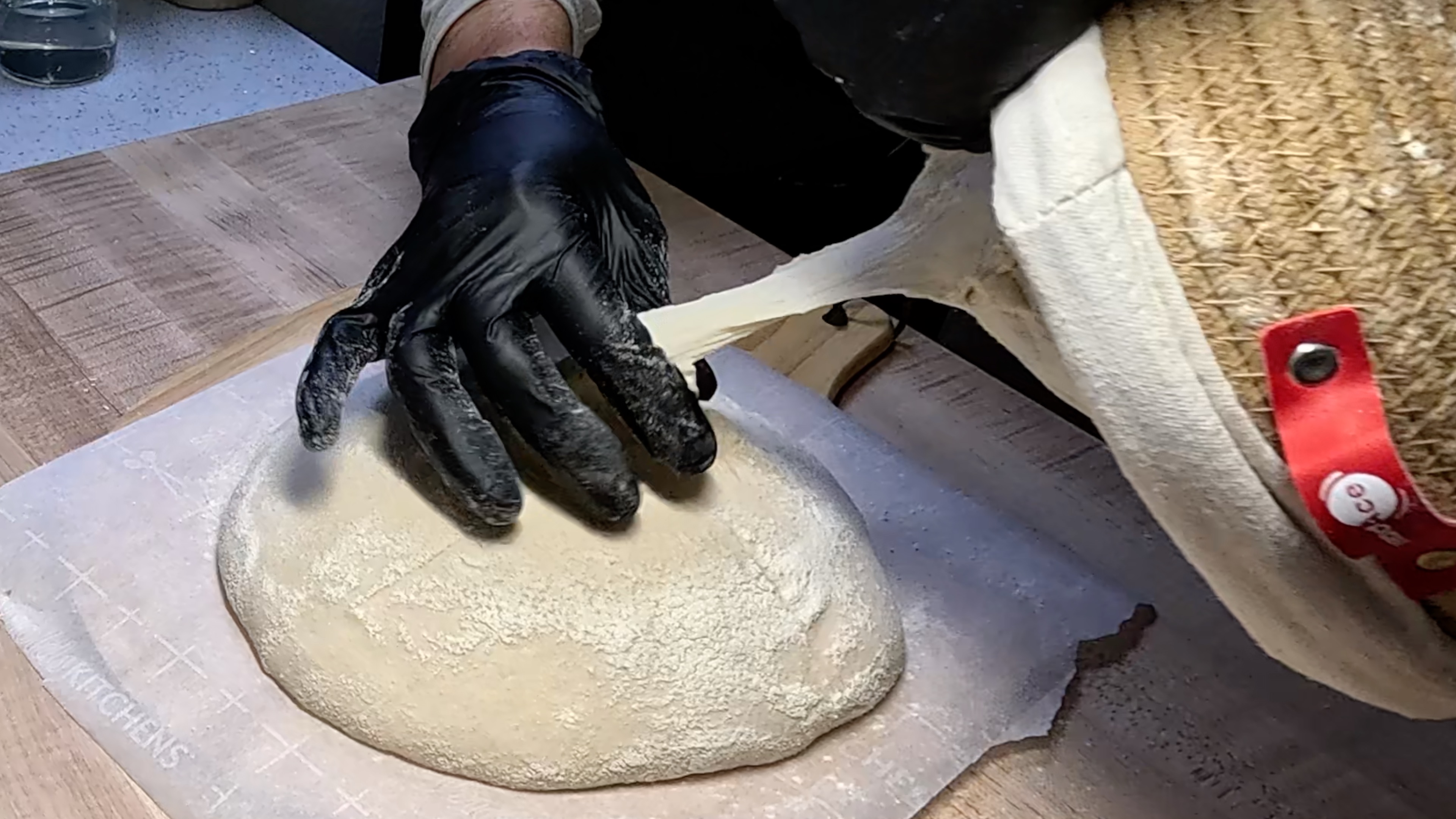
You've been patient. You've done the folds, watched the dough balloon beautifully in the fridge overnight, and now it's bake day. You flip the banneton over your Dutch oven and… nothing. You give it a little shake. Still nothing. You tip it harder and the dough comes out in a slow, heartbreaking peel, with half of it clinging to the basket like it's moved in permanently.
Friend, I've been there. More than once. And I have the misshapen loaves to prove it.
The good news? A stuck loaf is not a lost loaf. And once you understand why it's happening, you can stop it from ever happening again.
Recommended Product
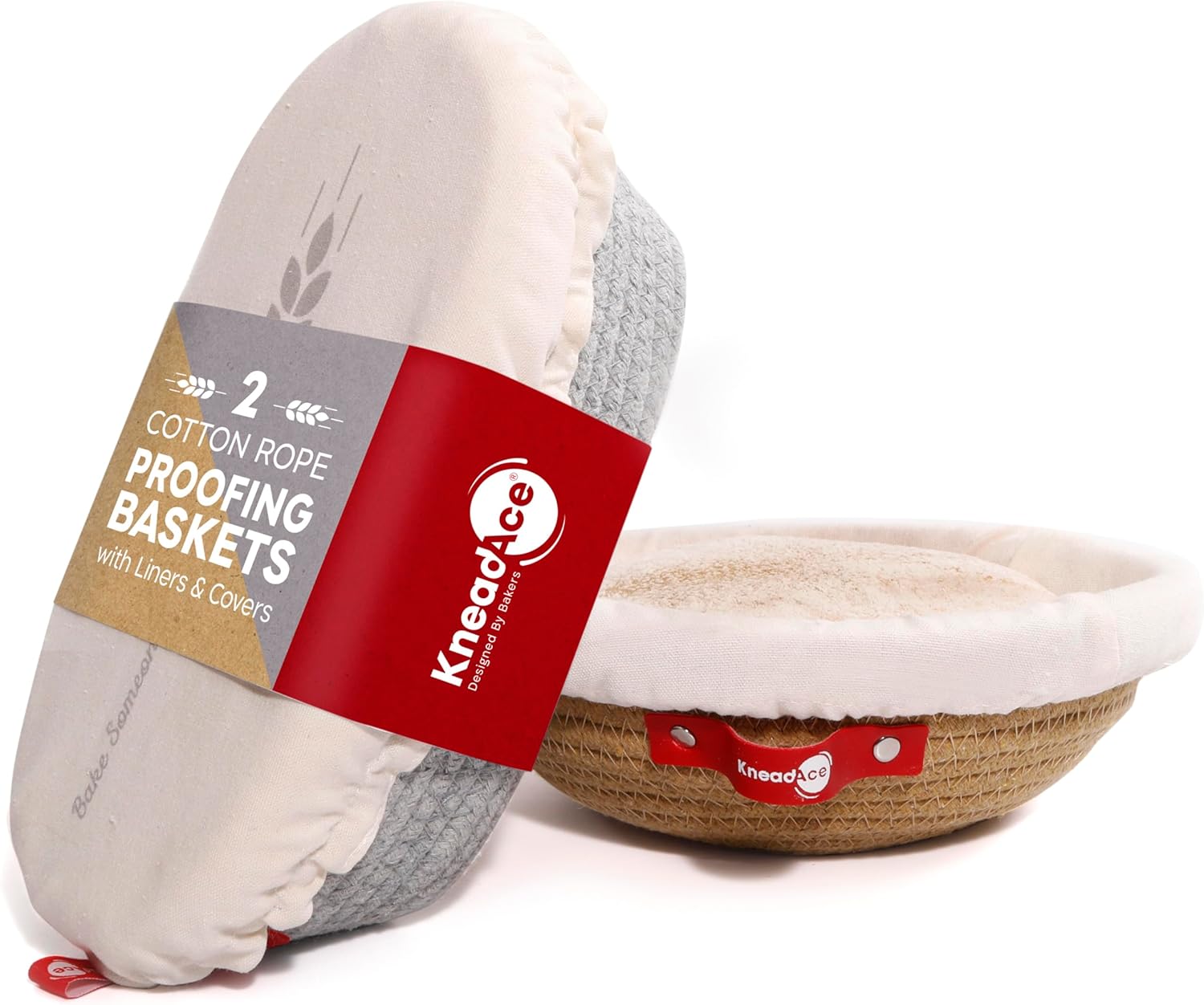
KneadAce Cotton Rope Banneton Bread Proofing Basket Set, Oval & Round Bread Baskets with Liners & Covers
Why Is Your Sourdough Sticking? (Let's Diagnose This)
There's almost always a clear culprit. Here are the most common ones:
1. Not Enough Flour in the Basket
This is the big one, and honestly, it's usually mine. We get a little confident, we go light on the dusting, and the dough grips every groove in that rattan like it was designed to. A properly floured banneton should look almost too dusty. If you can see bare patches, you haven't used enough. The lesson I re-learned: generous dusting isn't waste. It's insurance.
2. You're Using the Wrong Flour
Regular wheat flour, even bread flour, absorbs moisture and turns into a paste when it meets a wet dough. Rice flour is the gold standard for banneton dusting. It stays powdery, it doesn't hydrate the same way, and it creates a reliable non-stick barrier between your dough and the basket. A 50/50 mix of rice flour and all-purpose flour is a great everyday option. Pure rice flour is even better for high-hydration loaves.
3. Your Dough Is Over-Proofed
Over-proofed dough is slack, sticky, and fragile. The gluten structure has broken down, which means the dough has lost its tension and is practically liquid at the surface. It will cling to everything: the banneton, your hands, your hopes. If your dough smells very sharp and acidic and has spread flat in the basket, over-proofing is likely your issue.
4. High-Hydration Dough
If you're working with a recipe at 75% hydration or above (like our No-Knead Sourdough Baguette! (80% Hydration)), the dough is naturally wetter and stickier. Beautiful open crumb comes with a trade-off: it requires more rice flour, a colder proof, and careful handling. Don't skip the freezer trick (more on that below).
5. Your Banneton Is Brand New
A new, unseasoned banneton has zero protective coating built up. The rattan is porous and eager to absorb every bit of moisture from your dough on contact. New baskets need a few bakes before they're truly reliable, and in the meantime, they need extra flour love.
Recommended Product
Bob's Red Mill Organic All Purpose Unbleached Flour, 3 Pound (Pack of 4) - Non-GMO
How to Rescue a Loaf That's Already Stuck
Okay, you're in the middle of it right now. Deep breath. Here's what to do:
Step 1: Don't panic-yank. Pulling hard will tear the dough and deflate all that structure you worked so hard to build.
Step 2: Try the freezer trick. Place the whole banneton (dough and all) in the freezer for 15–20 minutes. This firms up the surface of the dough, making it less tacky and much easier to release. This is genuinely the best rescue move I know.
Step 3: Ease it out gently. After freezing, flip the banneton and use your fingers to gently coax the dough away from the edges first, working slowly around the basket. Let gravity do most of the work.
Step 4: Patch and score. If the surface tore a little, dampen your fingers and smooth the dough back together as best you can. It won't be perfect, but it will bake. Score with confidence: a good score will help the loaf spring open beautifully and distract from any surface imperfections.
Step 5: Bake it anyway. A slightly mangled loaf baked with love still tastes incredible. The crumb, the tang, the crackle of that crust: none of that is gone. Taste is not a beauty contest.
💡 Watch the full rescue technique in action: [https://youtu.be/dF9yrshX4tE]
Recommended Product
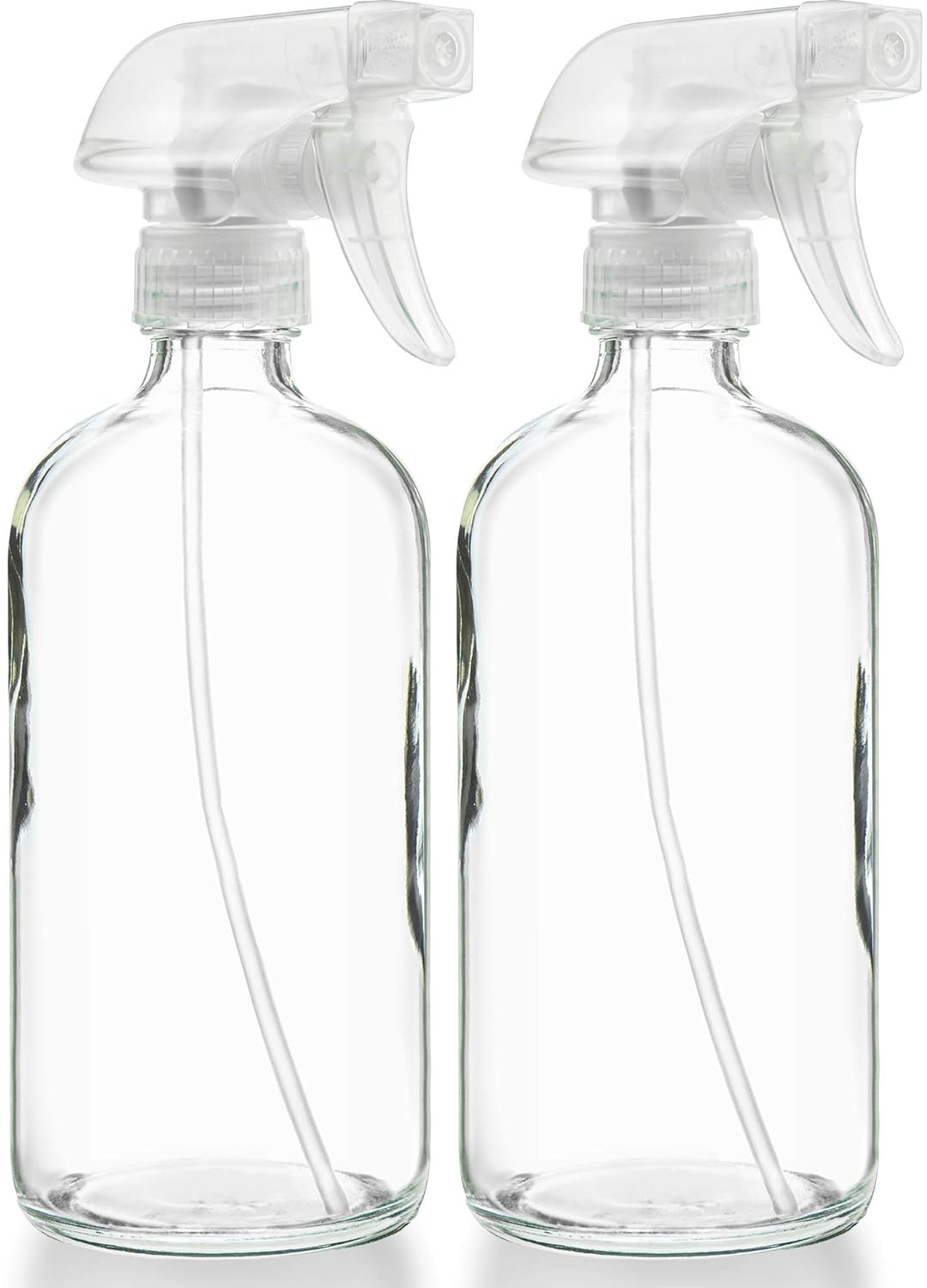
Sally's Organics® Empty Clear Glass Spray Bottles - Refillable 16 oz
Prevention: Your Pre-Bake Banneton Checklist
Print this out, stick it to your fridge, tattoo it on your forearm, whatever works:
- ☐ Use rice flour (or a rice flour/AP blend), not plain wheat flour
- ☐ Dust generously: more than you think you need
- ☐ Work the flour into the grooves with your fingers before loading the dough
- ☐ Season a new banneton by dusting, misting lightly with water, and letting it dry; repeat a few times before first use
- ☐ Don't over-proof: know your dough's signs of readiness (poke test, rise level)
- ☐ Cold proof high-hydration doughs: a cold, firm dough releases much more cleanly
- ☐ After each bake, tap out any excess flour and let the basket air-dry completely before storing
Recommended Product
Sally's Organics® Empty Clear Glass Spray Bottles - Refillable 16 oz
Want to Go Deeper?
If you want a full breakdown of banneton care, flour ratios, and proofing times tailored to different hydration levels, I cover all of it on page 35 of the Proof Point Baking guide. It's the reference I wish I'd had when I was starting out.
👉 [Download the free sample here] to see if it's the right fit for where you are in your baking journey.
Recommended Product
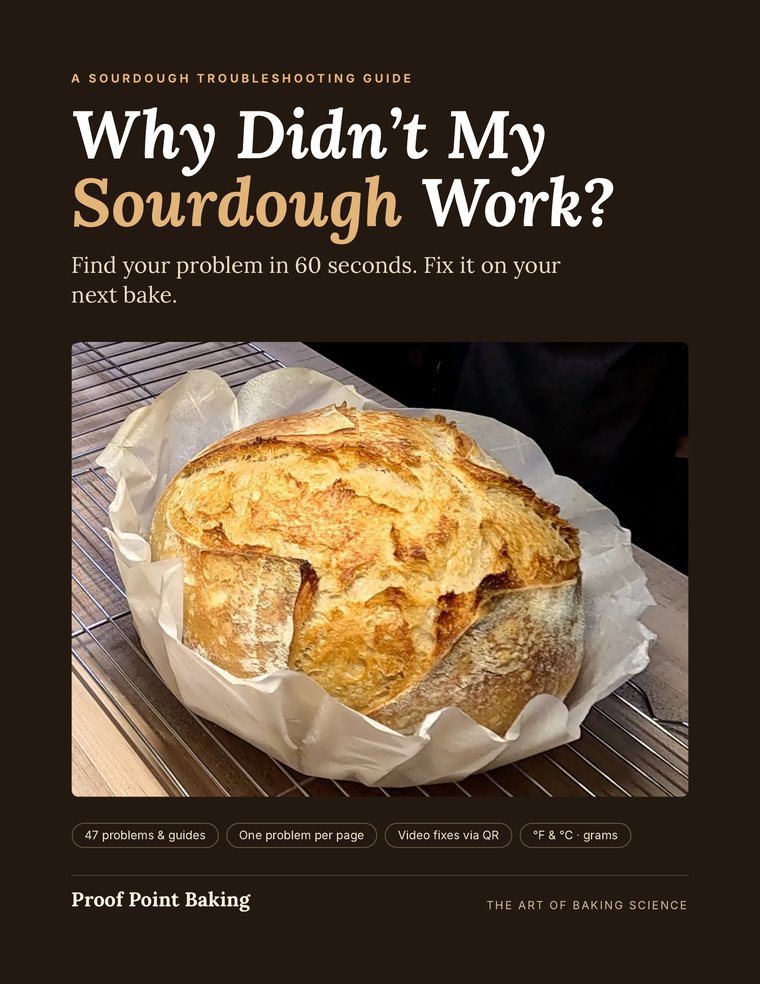
Why Didn't My Sourdough Work?
PDF $15 · Hardcover $39.99
Ready to Get Back to Baking?
Once you've sorted your banneton situation, these recipes are a wonderful next bake:
- Classic Sourdough Bread: the rustic two-day loaf that never gets old
- Same-Day Sourdough Batard: Morning to Evening Magic: perfect if you want a confidence-rebuilding win today
Every single experienced baker you admire has pulled a stuck, deflated loaf out of a banneton and had to make peace with it. It's not failure; it's the tuition fee for learning your dough. Pay it, learn from it, and dust more generously next time.
Now go bake something beautiful. 🍞
Why Didn't My Sourdough Work?
A 71-page troubleshooting guide. Find your problem in 60 seconds and fix it on your next bake.
Comments
Sign in to join the conversation
Sign In