Why Shaping Is the Most Underrated Step in Sourdough
You can nail your starter, fermentation, and scoring — then lose it all in 30 seconds of bad shaping. Here's why it matters so much.
Published on August 25, 2026
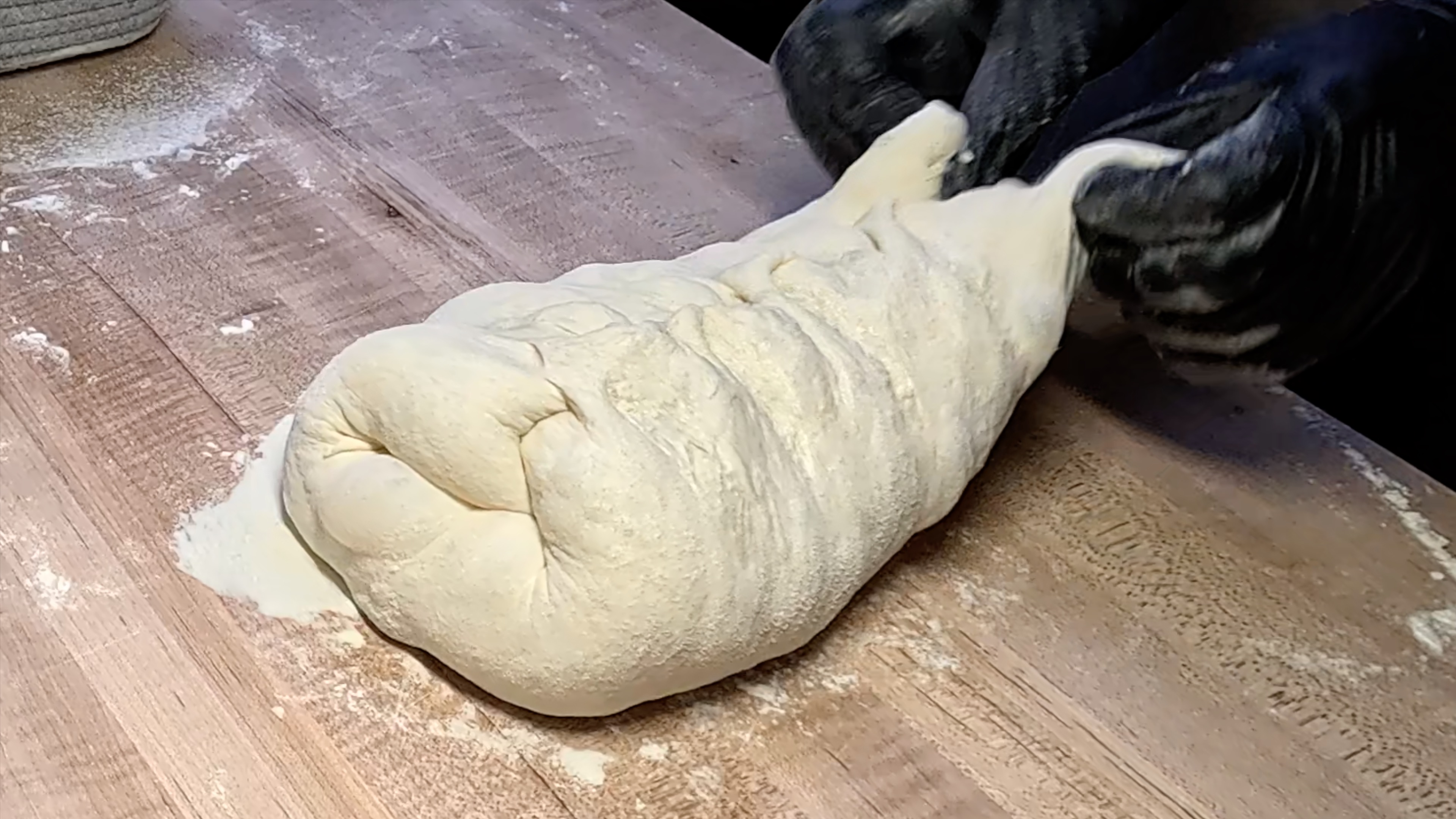
You've fed your starter. You've watched it double with pride. You've done your stretch-and-folds, nailed your bulk fermentation timing, and your dough feels absolutely alive in your hands.
Then comes shaping — and most home bakers rush right through it.
It's easy to understand why. After hours of patient waiting, shaping feels like a formality. A quick fold, a little tuck, pop it in the banneton, and into the fridge it goes. Done, right?
Not quite.
Shaping is quietly one of the most consequential steps in the entire sourdough process — and when it goes wrong, it can unravel hours of careful work in under a minute. Let's talk about why it matters so much, what happens when we skip the details, and how to get it right every single time.
Recommended Product
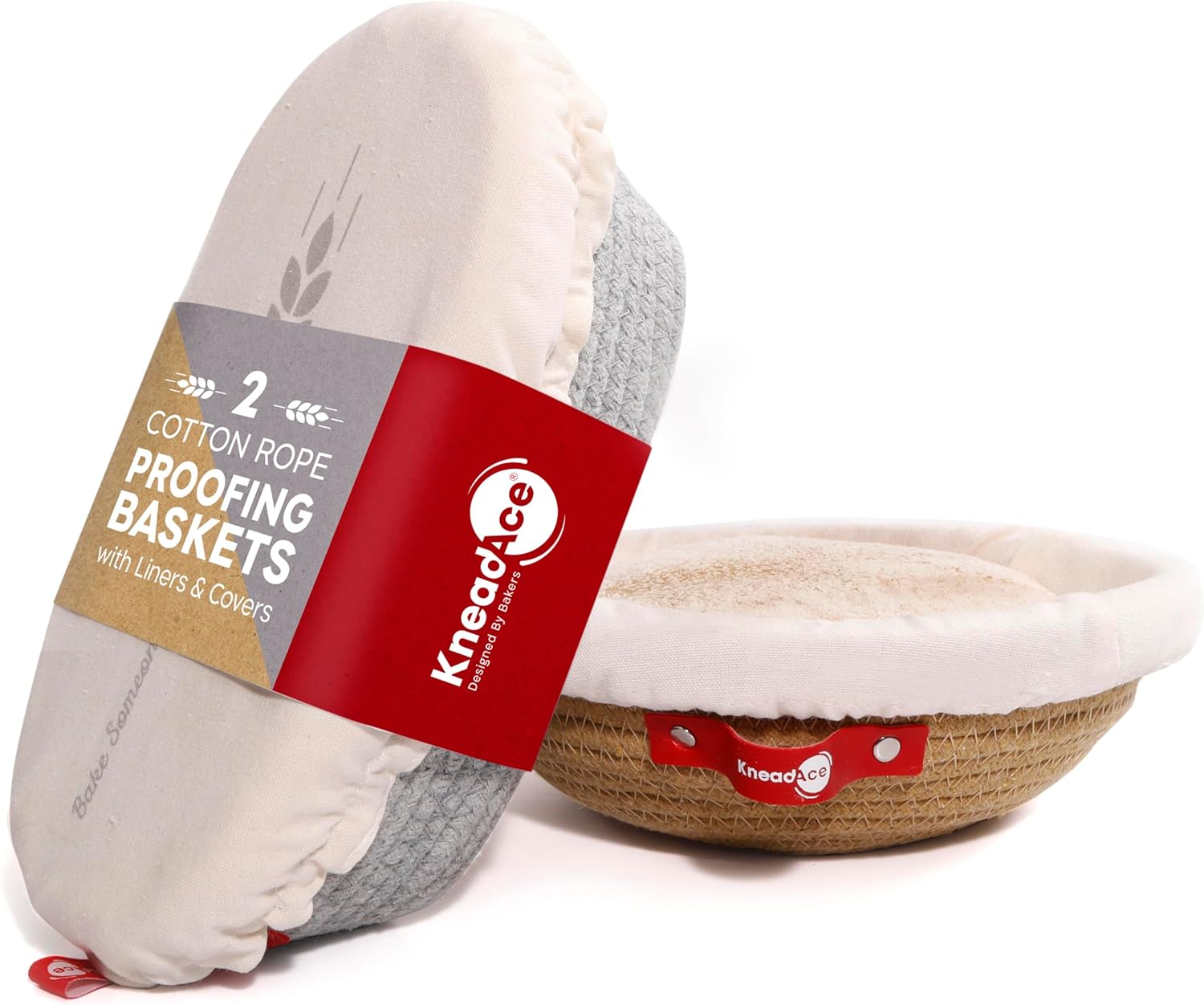
KneadAce Cotton Rope Banneton Bread Proofing Basket Set, Oval & Round Bread Baskets with Liners & Covers
What Shaping Actually Does (It's More Than You Think)
Most bakers think of shaping as purely aesthetic — making the dough look like a loaf before baking. But what you're really doing is far more important than appearances.
Shaping accomplishes three critical things:
1. It builds surface tension. That tight, smooth outer skin you're creating acts like a structural jacket for your loaf. Without it, the dough has nothing to hold it together as it expands in the oven.
2. It aligns the gluten network. All those hours of stretch-and-folds built a beautiful web of gluten. Proper shaping organizes that web directionally, so it's ready to trap CO2 and spring upward — not outward — during the bake.
3. It sets up your oven spring. This is the big one. That dramatic rise you see in the first 15 minutes of baking? It lives or dies based on how well you shaped your loaf. A tight, well-shaped dough has the structural integrity to push upward. A slack, poorly shaped dough just... spreads.
Recommended Product
John Boos RA-Board Series Rectangular Wooden Maple Cutting Board 30”x23.25” – 2.25” Thick
How 30 Seconds of Bad Shaping Undoes Everything
Here's the uncomfortable truth: it doesn't take much to go wrong.
The most common mistake is degassing the dough. When you press, punch, or handle the dough too aggressively during shaping, you're popping the gas bubbles that bulk fermentation spent hours creating. Those bubbles are your open crumb. Once they're gone, they're gone.
The second major culprit is not building enough tension. If your shaping motions are timid or incomplete, the dough's surface stays loose. Loose surface = no structural support = a loaf that spreads sideways instead of rising tall. You'll end up with that dreaded frisbee — wide, flat, and dense in the middle.
Third: over-flouring your work surface. A light dusting is fine, but too much flour acts as a lubricant. You need just enough friction between the dough and the counter to drag the surface taut as you shape. Too much flour and you're just pushing dough around without actually building any tension.
And finally, working too slowly or stopping and starting. Shaping should be confident and deliberate. The more you poke and prod and second-guess yourself, the more you're warming and weakening the dough.
Recommended Product

Sally's Organics® Empty Clear Glass Spray Bottles - Refillable 16 oz
The Connection Between Shaping and Oven Spring
If you've ever baked two loaves from the same batch of dough and gotten wildly different results, shaping is almost always the reason.
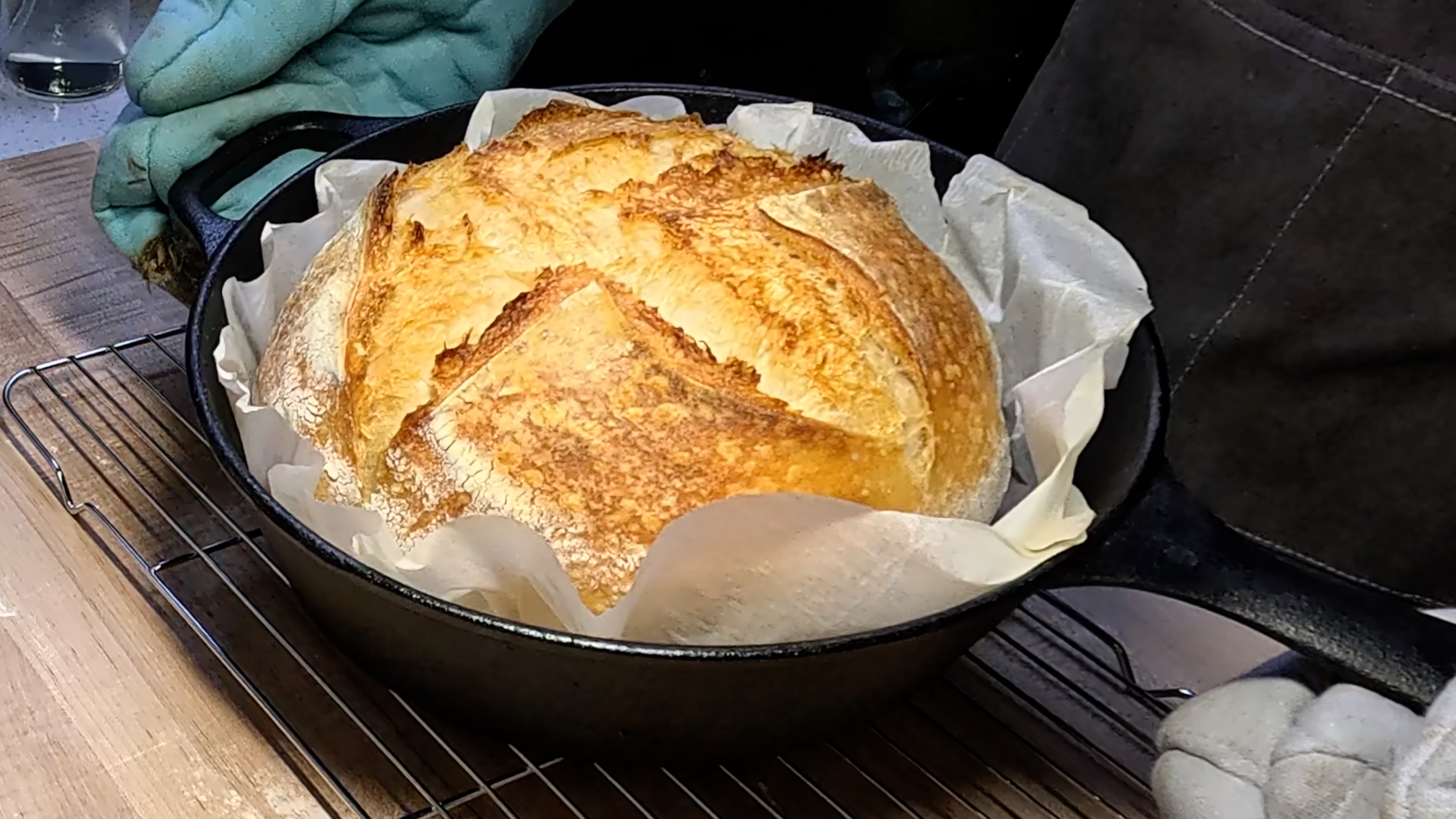
Here's the science in plain language: when your shaped loaf hits that screaming-hot oven (or Dutch oven), the yeast goes into overdrive in the final minutes before the heat kills it. That burst of gas needs somewhere to go. A tightly shaped loaf — with an organized gluten network and a taut outer skin — channels that energy upward, giving you a dramatic, gorgeous oven spring and those beautiful ears when you score.
A poorly shaped loaf can't direct that energy. The gas escapes through weak spots, the structure collapses inward, and you end up with a dense crumb and a loaf that looks more tired than triumphant.
This is why scoring also matters so much — but scoring can only do its job if the shaping beneath it is solid. They work together.
Recommended Product
Sally's Organics® Empty Clear Glass Spray Bottles - Refillable 16 oz
Practical Tips for Better Shaping, Starting Today
The good news? Shaping is a skill, and skills improve with repetition. Here's what to focus on:
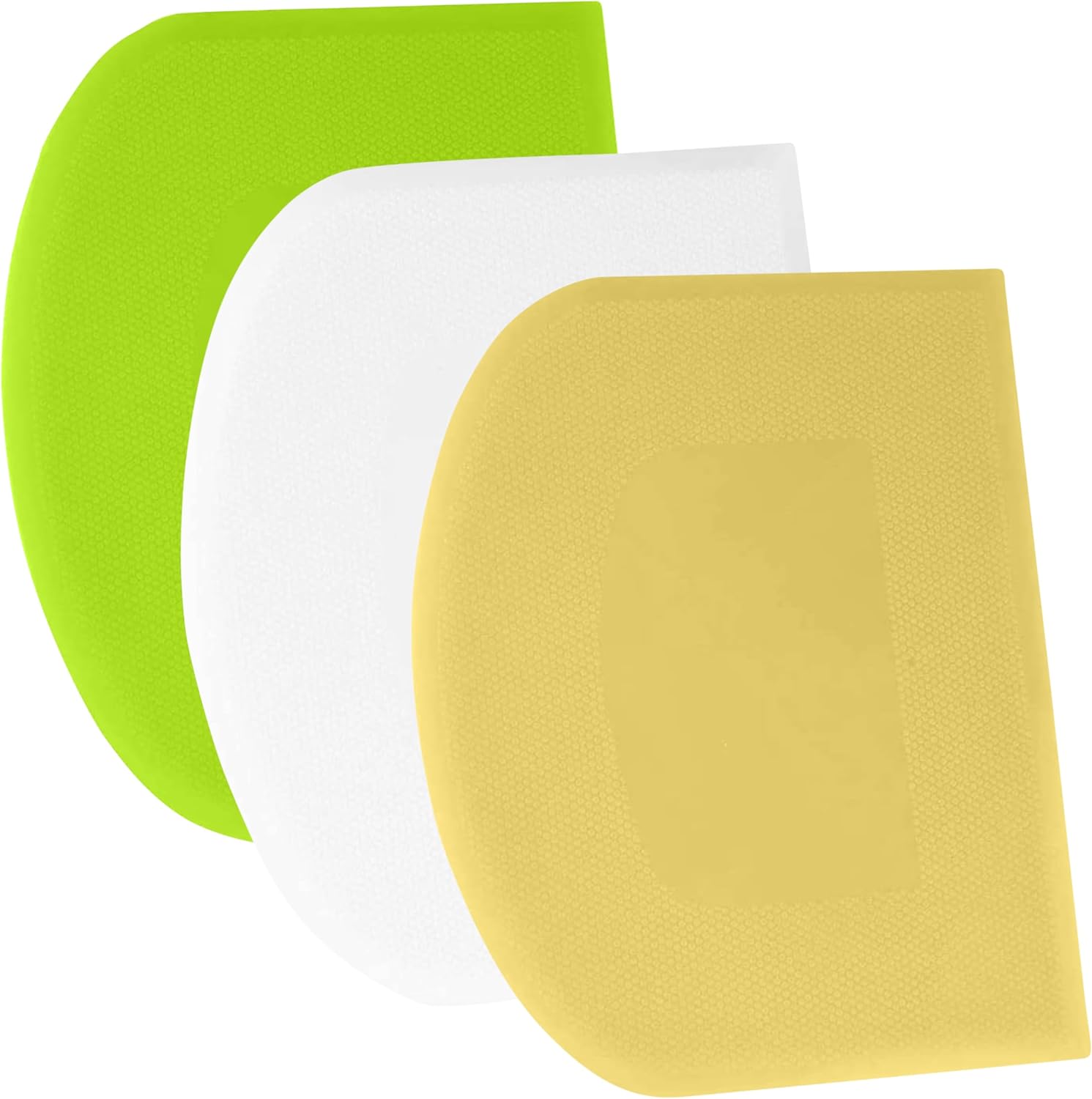
Use a Bench Scraper
A bench scraper is your best friend during shaping. Use it to move the dough without deflating it, and to drag the dough toward you across the counter to build tension. It's a game-changer.
Work on a Barely Floured Surface
Use just enough flour to prevent sticking — but you want a little friction. That grip is what lets you drag the dough and build surface tension.
Be Decisive and Confident
Move with purpose. Fewer, more intentional movements are always better than lots of hesitant prodding. Aim to complete your final shaping in 60 seconds or less.
The Windowpane Test After Shaping
Gently press a finger into the shaped dough. It should feel taut and spring back slowly but fully. If it springs back instantly, your gluten might be too tight. If the indent stays put, your surface tension is too weak.
Cold Proof for Forgiveness
A cold retard (overnight in the fridge) gives your shaped loaf time to firm up and develop flavor. The cold also makes scoring much easier. If you're nervous about your shaping, a cold proof is your safety net.
Recommended Product
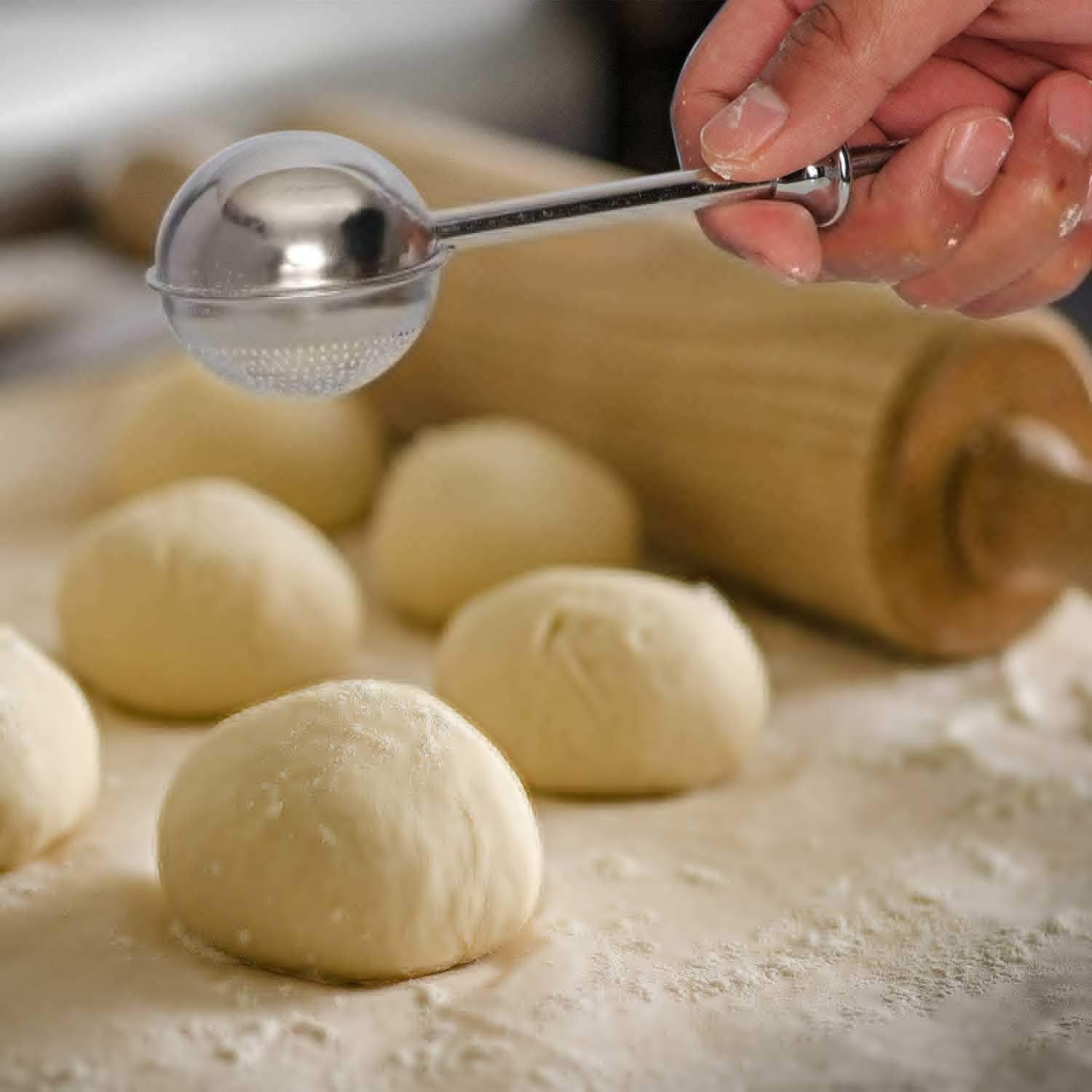
HULISEN Flour Duster for Baking, One-Handed Operation, 304 Stainless Steel Powdered Sugar Shaker Duster
Different Shapes, Same Rules
Whether you're working toward a classic round boule, an oval batard, or something more adventurous, the principles of surface tension and gentle handling apply universally.
If you want to practice these techniques on a forgiving, straightforward loaf, our Classic Sourdough Boule - The Perfect Round Artisan Loaf is the perfect place to start. The round shape is beginner-friendly and gives you a great canvas to feel what proper tension should be like.
Once you're comfortable, try pushing yourself with the Same-Day Sourdough Batard: Morning to Evening Magic — an oval shape that requires slightly more technique but rewards you with a stunning loaf from start to finish in a single day.
And if you want to take those shaping skills in a completely different direction, our No-Knead Sourdough Baguette! (80% Hydration) is a wonderful challenge. High-hydration baguette shaping is tricky, but once you understand surface tension, it clicks beautifully.
You've Got This
Here's the thing about shaping: every loaf you make teaches you something. Your hands get smarter. You start to feel the difference between dough that's ready and dough that needs another minute of bench rest. You recognize proper tension without having to think about it.
Don't let a few flat loaves discourage you. Even professional bakers have days where the shaping doesn't go quite right. The difference is they've made enough loaves to learn from each one — and now you're doing the same.
So next time you're standing at your counter, ready to shape, slow down. Take a breath. Give those 60 seconds the respect they deserve. Your crumb, your oven spring, and your golden crackling crust will thank you for it.
Now get baking — and let us know in the comments how your next loaf turns out. 🍞
Comments
Sign in to join the conversation
Sign In